
Last updated November 14, 2026
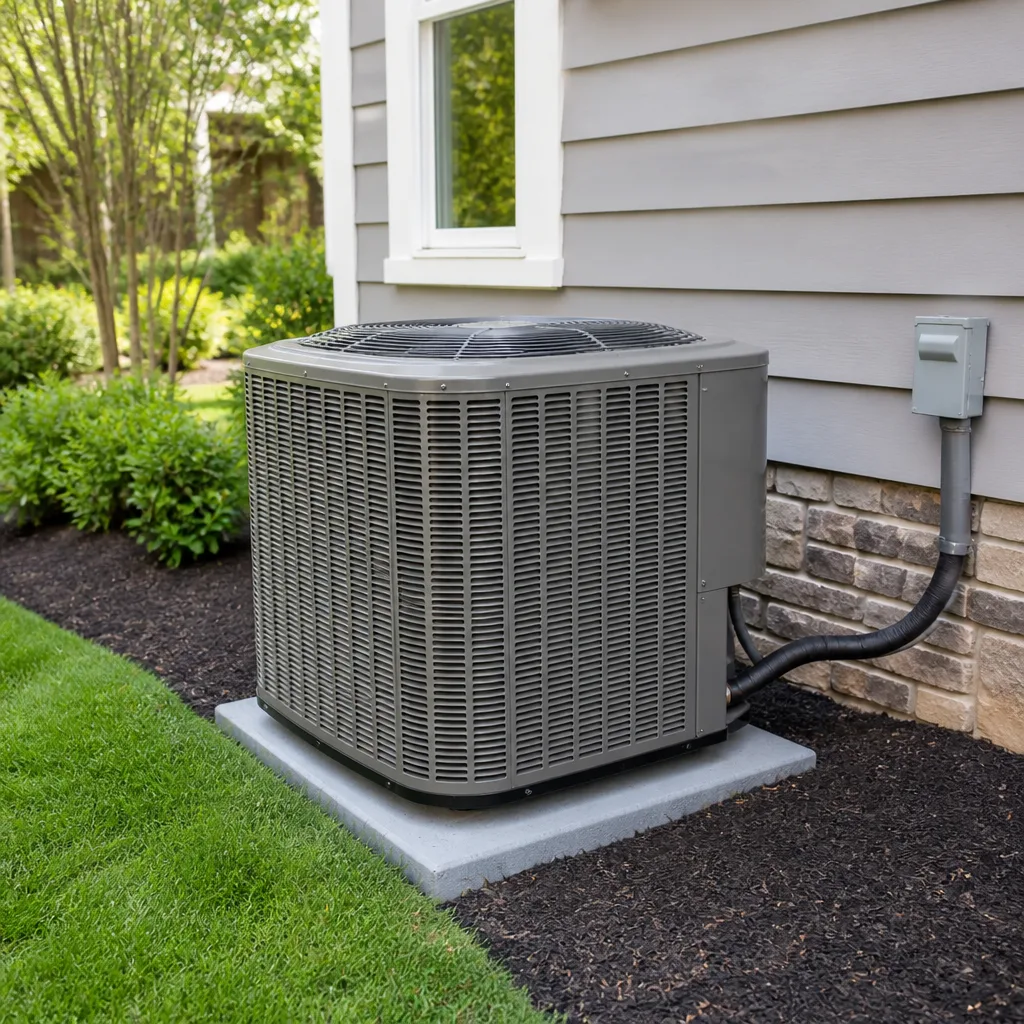 AC repair
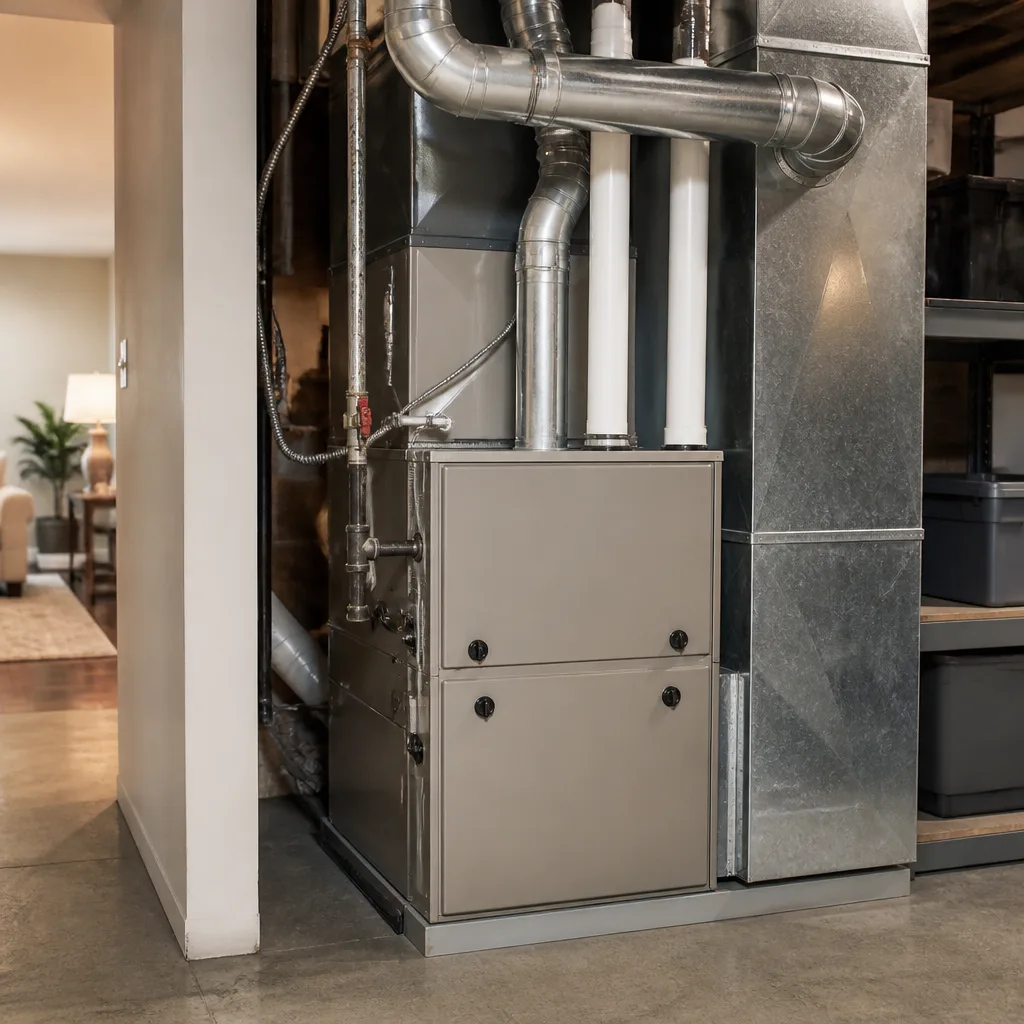 Furnace & heating
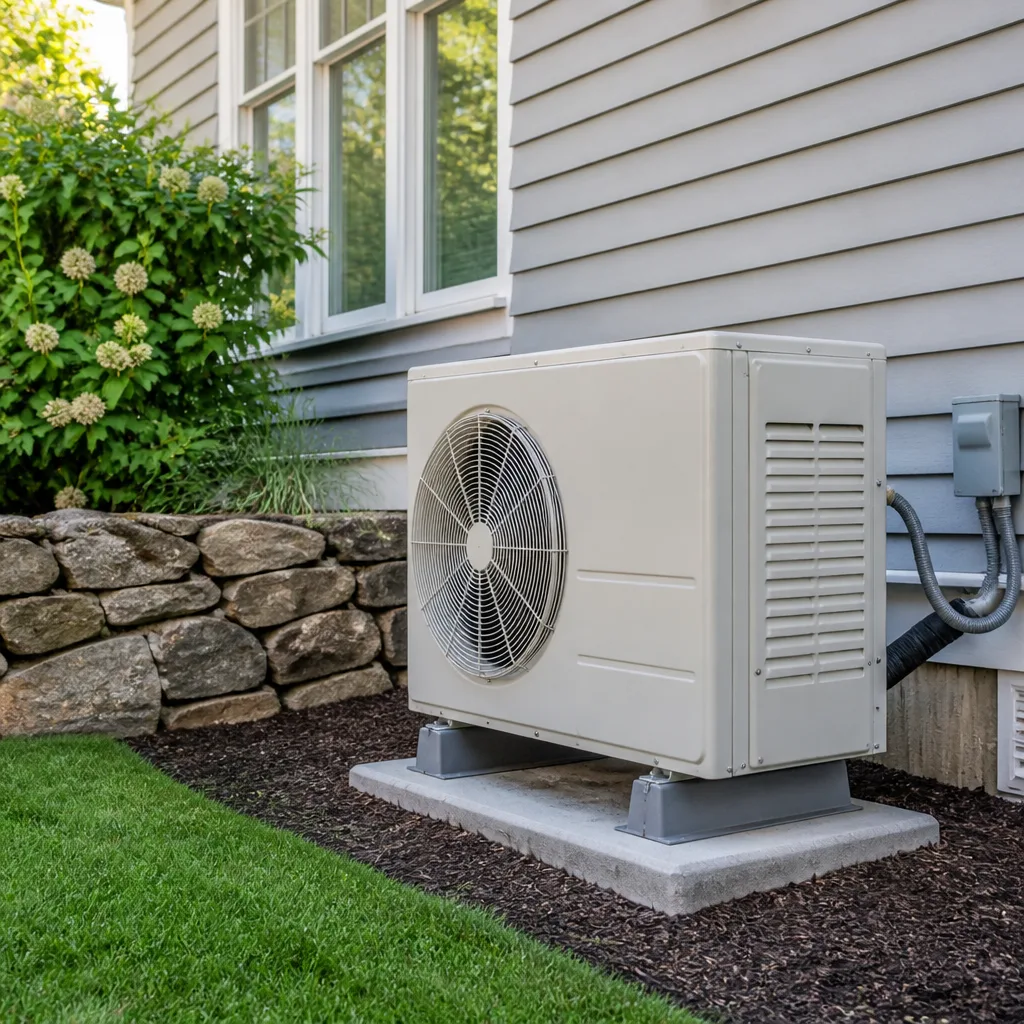 Heat pumps
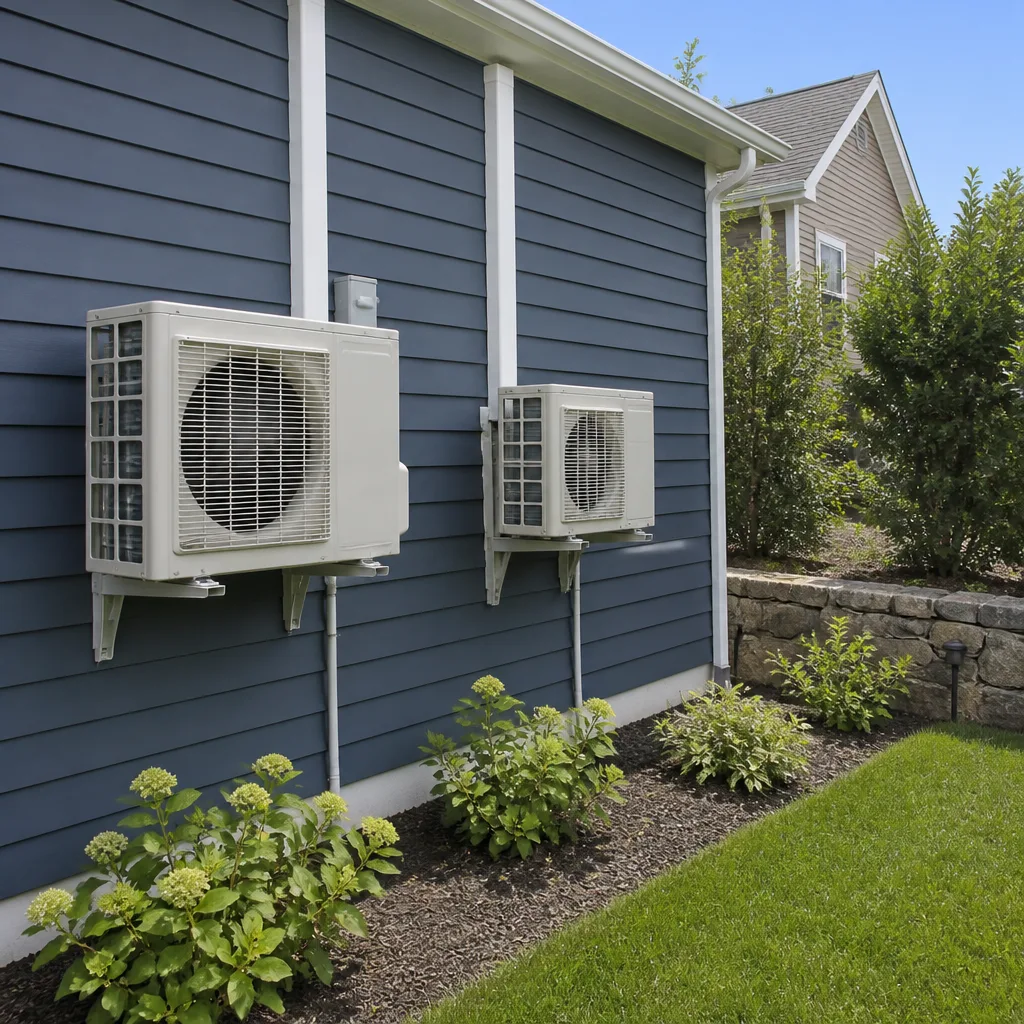 Ductless mini splits
 Carrier
 Trane
 Goodman
Seasonal tune-up and full diagnostic on your Carrier, Trane, or Goodman system - readings shown to you before any repair is proposed
Diagnosis first, numbers second - you approve the repair price before a single part goes in.
Get your free estimateAC Repair Maintenance Checklist for Miami Gardens Homeowners
Most AC maintenance advice floating around online was written for a four-season climate where a system gets a long winter break. Miami Gardens doesn’t grant that break. Your air conditioner runs almost year-round, cycles hard through a long humid season, and never gets the months of rest a Phoenix or Chicago unit relies on. That changes what actually matters. The checklist that keeps a desert system alive will miss the three failure points we see most in Miami Gardens: a clogged condensate drain that floods and shuts the system down, biological growth on the evaporator coil, and capacitors that give out under relentless heat cycling. This guide walks you through a month-by-month calendar built for South Florida, tells you which tasks you can safely handle yourself, and flags the ones that need a licensed technician. Our technicians have up to 11 years of experience, and what follows reflects what we actually find in this market.
Styles & brands we work with
- AC repair
- Furnace & heating
- Heat pumps
- Ductless mini splits
- Carrier
- Trane
- Goodman
Quick Answer
A Miami Gardens AC maintenance checklist should focus on the parts that fail in heat and humidity: flush the condensate drain monthly during the humid season, change the filter every 30 to 60 days, check the capacitor for pre-failure signs before summer peak demand, and watch the evaporator coil for algae and mold growth. Homeowners can handle filter changes, drain flushing, and visual inspections. Coil cleaning, refrigerant work, and electrical component testing need a licensed technician. A yearly professional tune-up before the hot season catches the rest.
Table of Contents
- Why Miami Gardens AC Maintenance Isn’t a Generic Checklist
- The Condensate Drain: Your Number One Shutdown Risk
- Evaporator Coil Growth: Signs You Can Spot Yourself
- Capacitor Stress: The Part That Fails Most in Extreme Heat
- Your Month-by-Month Miami Gardens Task Calendar
- What You Can Do Yourself vs. What Needs a Licensed Tech
- Working With the System You Already Own
- Common Mistakes to Avoid
- When to Call a Professional
- Frequently Asked Questions
- The Bottom Line
Why Miami Gardens AC Maintenance Isn’t a Generic Checklist
A checklist written for a temperate climate assumes your system gets months off. In Miami Gardens, it doesn’t. Cooling season stretches across most of the year, humidity stays high through the warm months, and the unit cycles again and again without the long recovery period other regions get. That constant cycling puts wear on specific parts and creates specific problems that a generic guide won’t name.
Three local pressures do the most damage:
- Constant runtime. Heavy cycling wears electrical components, especially capacitors, faster than in mild climates. There’s no seasonal shutdown to reset the clock.
- High humidity. Your system pulls a huge amount of moisture out of the air. That moisture has to go somewhere, and the condensate drain carries it away. When it clogs, the water backs up and triggers a safety shutdown.
- Warm, wet coils. An evaporator coil that’s damp for much of the year is a surface where algae and mold want to grow. Once growth builds up, airflow drops and the system works harder for less cooling.
None of this means the standard advice is wrong. Filter changes still matter. Coil cleaning still matters. But in Miami Gardens, the priority order is different, and the parts that fail first are different. A maintenance routine that ignores the drain line and the capacitor will leave you exposed to the two breakdowns we get called about most. Let’s go through each of the three priority areas, then build a calendar around them.
The Condensate Drain: Your Number One Shutdown Risk
If there’s one task that separates a maintained Miami Gardens system from a neglected one, it’s the condensate drain. Your air conditioner doesn’t just cool air, it dehumidifies. All that pulled-out moisture drains away through a line in or near the air handler. Over time, dust, algae, and biological growth build up inside that line and slow the flow. When it clogs completely, water backs up, the float switch trips, and the system shuts off to protect itself. This usually happens on the hottest, most humid stretch of the year, when the system is working hardest and producing the most condensate.
The good news is you can protect against this cheaply. Here’s the homeowner routine:
- Find your drain line and float switch. The drain is usually a PVC line running from the air handler to a floor drain, a condensate pump, or outside. The float switch is the small device sitting on the line or in the drain pan.
- Check the pan for standing water. Any water in the pan, or a float switch that’s tripped, means the drain is already restricted. Clear it before restarting the system.
- Flush the line. Many drain lines have a cleanout tee with a cap. With the system off, pour a cup of plain water or a diluted white vinegar solution down the line to clear light buildup. Vinegar helps slow algae growth.
- Watch it drain. If water flows away freely, you’re in good shape. If it backs up or drains very slowly, the clog is deeper and needs a technician to clear it properly.
- Do this monthly during the humid season, and before the hottest stretch of the year.
If you’ve had a system shut off on a hot afternoon and the thermostat looks fine, a tripped float switch from a clogged drain is the first thing to check. It’s the most common preventable summer shutdown in Miami Gardens. Clearing the drain is a legitimate homeowner task. Clearing a stubborn clog deep in the line or repairing a damaged drain pan is a job for a technician.
Evaporator Coil Growth: Signs You Can Spot Yourself
Your evaporator coil is the indoor coil where refrigerant absorbs heat from your home’s air. It stays damp for much of the year in Miami Gardens, and a damp coil is exactly where algae, mold, and biological growth take hold. When that growth builds up, airflow drops, cooling capacity falls, and the system runs longer to reach the same temperature. Left alone, it stresses the compressor. The coil is inside the air handler, so you can’t see all of it, but you can spot the warning signs.
Look for these clues that growth is building up:
- Reduced airflow from the vents, even with a clean filter.
- A musty or damp smell when the system runs, especially on startup.
- Visible growth around the coil access panel or on the drain pan.
- Water pooling near the air handler, or a drain pan that keeps refilling.
- Higher cooling bills with no clear explanation.
What you can do yourself: keep the filter clean (a clogged filter dumps dust onto the coil), keep the area around the air handler dry, and use the drain line routine above. What you should leave to a technician: actually cleaning the coil. Evaporator coil cleaning means opening the air handler, removing growth properly, and checking the coil for damage. It also means handling the refrigerant circuit correctly if the coil needs more than a surface clean. That’s licensed work, and messing with a coil you can’t see is how a small growth problem turns into a refrigerant leak. If you notice the musty smell or the falling airflow in your Miami Gardens home, that’s the moment to have the coil inspected rather than wait for the cooling to fail outright.
Capacitor Stress: The Part That Fails Most in Extreme Heat
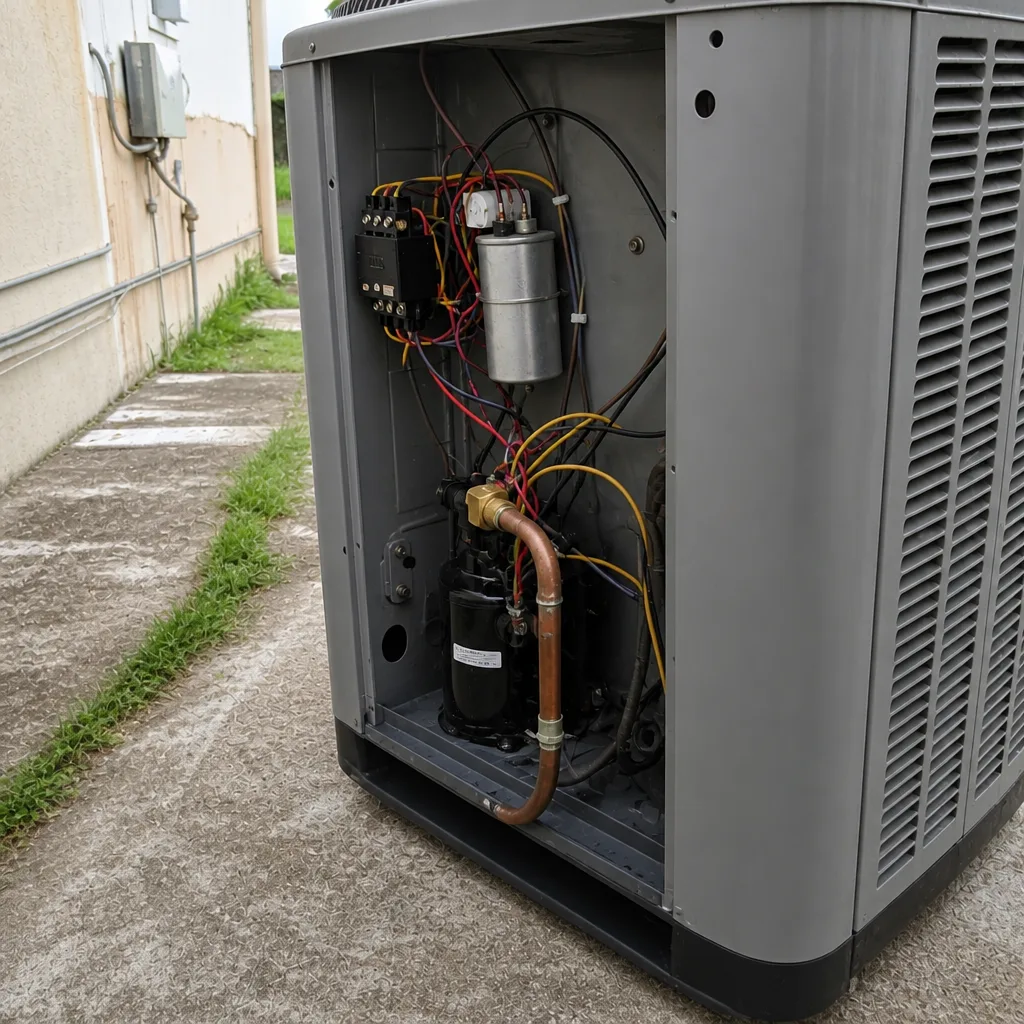
Capacitors are small electrical components that give the compressor and fan motors the jolt they need to start and keep running smoothly. They live under constant electrical and thermal stress, and in a climate where the system cycles relentlessly, that stress adds up. Over time a capacitor weakens and eventually fails. When the start capacitor goes, the compressor may hum and not start. When the run capacitor goes, the fan or compressor can overheat or stall. It’s one of the most common repair calls we get, and it often fails right at peak demand, when the system is cycling hardest and the part is hottest.
You can’t safely test a capacitor yourself. It holds a charge and it’s tied into the electrical circuit, so testing and replacing it is strictly technician work. But you can watch for the pre-failure warning signs:
- Clicking or humming when the system tries to start, without the fan or compressor kicking in.
- The outdoor fan spinning slowly or not at all while the system calls for cooling.
- The compressor short-cycling – starting, stopping, starting again in short bursts.
- Warm air from the vents while the outdoor unit runs, suggesting the compressor isn’t keeping up.
- A slight burning smell near the outdoor unit, which means shut the system off and call a technician.
The smart move is to have the capacitor checked during a pre-summer tune-up, before the hottest weeks hit. A technician can measure the capacitor’s actual performance against its rated value and replace a weakening one before it fails. Replacing a tired capacitor is a small, straightforward repair. Replacing a compressor because a failed capacitor ran it dry is a much bigger one. If you’ve noticed clicking or short-cycling in your Miami Gardens system, don’t wait for full failure. Call AC repair and get it looked at before peak demand.
Your Month-by-Month Miami Gardens Task Calendar
A four-season calendar doesn’t fit South Florida, so here’s one that does. It’s built around the actual pressure points of the Miami Gardens climate: the ramp-up into the hot, humid months, the peak demand stretch, and the storm season when power interruptions and heavy rain add their own stress. Use this as your year-round rhythm.
Early spring (before the hot season):
- Schedule a professional tune-up. This is the single most valuable thing you can do, and it’s best done before peak demand.
- Have the capacitor checked and, if it’s weakening, replaced proactively.
- Flush the condensate drain and confirm it flows freely.
- Check and replace the filter.
- Clear vegetation and debris from around the outdoor unit so it can breathe.
Late spring into summer (the ramp-up):
- Flush the drain line every month now.
- Change the filter every 30 to 60 days, or more often if you have pets or a dusty home.
- Watch for the coil warning signs (musty smell, falling airflow).
- Listen for capacitor warning signs (clicking, humming, short-cycling).
Peak summer (highest demand and storm season):
- Keep the monthly drain flush going. This is when clogs cause the most shutdowns.
- Keep the filter clean; a clogged filter at peak demand strains everything.
- After a storm or power interruption, check the system and the drain before assuming a problem is serious.
- If anything seems off, call for AC repair early rather than letting a small issue run through the hottest weeks.
Fall and mild months:
- Flush the drain less often (every two to three months is usually enough once humidity eases).
- Change the filter and inspect the coil visually.
- This is a good window for a professional tune-up if you skipped the spring one.
- If you’re considering a replacement, get quotes now before the next hot season. See AC installation.
Winter (our mild version):
- System usage drops, but don’t neglect the basics. Keep the filter clean and do a visual inspection.
- This is the calmest time to plan any AC repair you’ve been putting off.
- Have a technician check the system before the next ramp-up.
Print this calendar and stick it on the fridge. The rhythm matters more than any single task.
What You Can Do Yourself vs. What Needs a Licensed Tech
Nobody wants to pay for something they can safely do themselves, and in Miami Gardens, most routine maintenance is genuinely within a homeowner’s reach. But some tasks carry real risk, and Florida code doesn’t let you do them anyway. Here’s the split.
Safe homeowner tasks:
- Changing or cleaning the air filter.
- Flushing the condensate drain line with water or diluted vinegar.
- Visual inspection of the drain pan, float switch, and the area around the air handler.
- Clearing debris and vegetation from around the outdoor unit.
- Watching and listening for warning signs (airflow, smells, clicking, short-cycling).
Leave these to a licensed technician:
- Cleaning the evaporator coil and handling anything that touches the refrigerant circuit.
- Testing or replacing capacitors and other electrical components.
- Checking refrigerant charge or diagnosing a leak.
- Any work inside the electrical panel.
- Repairing a damaged drain pan, drain line, or float switch.
- Compressor and motor diagnostics.
The line here is safety and licensing, not difficulty. Capacitors hold a charge and sit inside a live electrical circuit; refrigerant work requires licensing and equipment you don’t have. A real expert will tell you plainly which jobs are yours to handle and which aren’t, and won’t sell you a service call to change a filter. That’s the approach we take in Miami Gardens: free estimates, a clear picture of what’s needed, and the honest answer on what you can do yourself.
Working With the System You Already Own
One thing a maintenance checklist can’t fix is a contractor who only knows one brand. Your home has whatever system it has, and a maintenance routine only works if the technician diagnosing and servicing it knows that equipment. In Miami Gardens, homes run the full spectrum of brands. You might have a Carrier, a Trane, a Lennox, or an American Standard, and a tune-up that doesn’t understand your specific unit is a tune-up that misses its weak points.
We work on the system you have, and we’re certified across nine of the leading HVAC brands, so a technician isn’t learning on your equipment. That matters most on the tasks that go wrong with the wrong diagnosis. A capacitor that reads as fine but is quietly degrading, a coil that needs cleaning versus one that needs inspecting for a leak, a drain problem that’s really a float switch problem. Getting these right takes familiarity with the actual system, not a single-brand script. When the recommendation involves a part, sourcing it across those brands means fewer “we’ll have to order that” delays when your system is down. And when the question is repair or replace, the answer follows the equipment’s condition and your budget, not a preferred product line. Nine brands, one call. That’s what makes a maintenance plan hold together in a market like this.
Common Mistakes to Avoid
- Waiting for a breakdown to think about maintenance. In a long cooling season, a system that gets no attention is a system running on borrowed time. A tune-up before peak demand costs far less than an emergency repair during it.
- Ignoring the drain line until it floods. This is the most common preventable shutdown in Miami Gardens. If you do one thing on this list, flush the drain monthly through the humid season.
- Never checking the capacitor before summer. A weakening capacitor is easy to spot and replace proactively. A failed one at peak demand takes the system down and can damage the compressor.
- Assuming the filter is the whole story. A clean filter helps, but it won’t stop coil growth or bring back a tired capacitor. The priority here runs drain, coil, then capacitor, not filter-first.
- Letting growth build on the coil. A musty smell or falling airflow is a signal, not a small annoyance. Waiting lets microbiological growth choke airflow and strain the compressor.
- Trying to DIY electrical or refrigerant work. Capacitors and refrigerant circuits are technician territory for safety and licensing reasons. A small saving here can turn a repair into a replacement.
- Believing one brand of technician is enough. Your system could be any of several major brands. Choose a technician who knows yours, not one who’ll nurse a single line.
When to Call a Professional
Some problems are genuinely DIY. Others need a licensed technician right away. Call a professional if you see any of the following: water backing up or a float switch tripping even after you flush the drain; a musty smell or falling airflow that suggests coil growth; clicking, humming, or short-cycling from the outdoor unit; warm air from the vents while the system runs; a slight burning smell; or any refrigerant problem, which you can’t safely handle yourself. Electrical components, coil cleaning, and refrigerant work are the jobs where a technician’s visit prevents a bigger repair. In Miami Gardens, the smart play is to have the system checked before peak demand so small issues get caught early. Bellmont AC Repair offers free estimates in Miami Gardens. Call (844) 560-6509 and we’ll tell you plainly what your system needs and what you can handle yourself.
Frequently Asked Questions
Change the filter every 30 to 60 days during the cooling season, and no less than every 90 days otherwise. In Miami Gardens, where the system runs most of the year, the 30-to-60-day window applies through the hot, humid months, and more often if you have pets or a dusty home. A clean filter protects the evaporator coil from the dust that feeds growth. Call (844) 560-6509 for a free estimate if it’s been longer than you’d like to admit.
The most common preventable cause in Miami Gardens is a clogged condensate drain backing up and tripping the float switch. The humidity drives heavy condensate production, and a restricted line shuts the system down to protect the air handler. A failed capacitor short-cycling the system is the other frequent culprit. Check the drain and filter first, then call AC repair if it keeps happening. Call (844) 560-6509 – We answer 24/7.
Yes, flushing the drain line is a safe homeowner task and one of the most valuable ones in this climate. With the system off, pour water or diluted white vinegar down a cleanout tee or the accessible end of the line, then watch it drain. If it flows freely, you’ve cleared it. If it backs up or drains slowly, the clog is deeper and needs a technician. Call (844) 560-6509 for a free estimate.
Watch for clicking or humming when the system starts, an outdoor fan that spins slowly or not at all, short-cycling, warm air from the vents, or a slight burning smell. These are pre-failure signs. You can’t safely test a capacitor yourself because it holds a charge and sits in a live circuit. Have it checked during a pre-summer tune-up, before peak demand wears it out. Call (844) 560-6509 for a free estimate.
A musty or damp smell when the system runs, falling airflow even with a clean filter, visible growth around the coil access panel or drain pan, and standing water near the air handler all point to biological growth. In Miami Gardens’s humidity, an evaporator coil stays damp much of the year, which is what growth needs. Keep the filter clean to slow it, and have a technician clean the coil when you spot these signs. Call (844) 560-6509 for a free estimate.
Yes, because the DIY tasks don’t cover the parts that fail silently. A yearly tune-up checks refrigerant charge, capacitor health, and coil condition, and those need licensed hands. In Miami Gardens, a tune-up before peak demand catches the drain, coil, and capacitor issues this climate creates before they become breakdowns. The DIY checklist protects your system between visits; the tune-up protects it from what you can’t see. Call (844) 560-6509 for a free estimate. We answer 24/7. Fast dispatch from 7am to 7pm, Sunday through Friday.
The Bottom Line
The Miami Gardens checklist that matters follows this climate, not the generic four-season advice. Your three priority failure points are the clogged condensate drain, biological growth on the evaporator coil, and capacitor stress from relentless heat cycling. You can handle the drain flush, the filter changes, and the visual inspections yourself. Leave the coil cleaning, capacitor testing, and refrigerant work to a licensed technician, and schedule a tune-up before peak demand so the small issues get caught early. Our technicians have up to 11 years of experience working on the system you have. For a straight answer on what your system needs, call Bellmont AC Repair at (844) 560-6509 for a free estimate.
Written by the team at Bellmont AC Repair.
See the difference
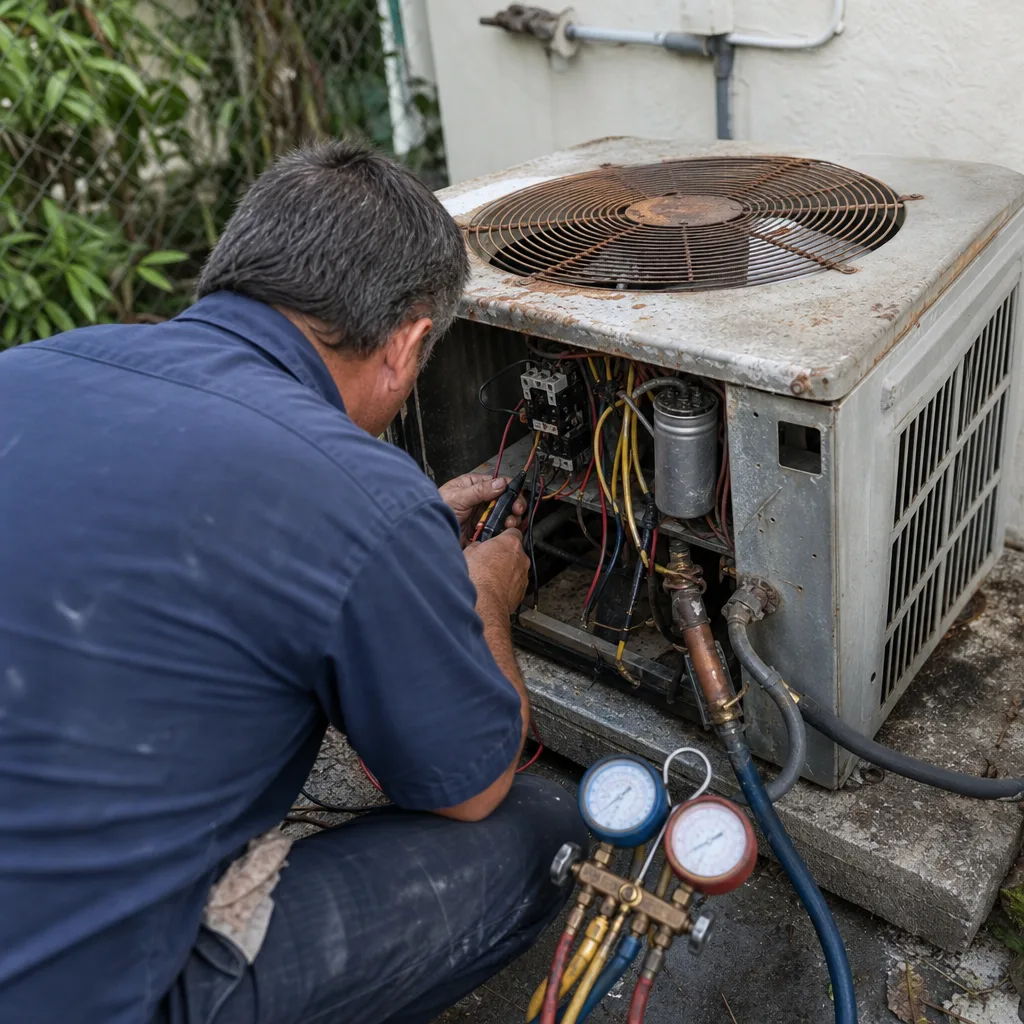 Before
 After
 Before
 After
 Before
 After