
Last updated November 14, 2026
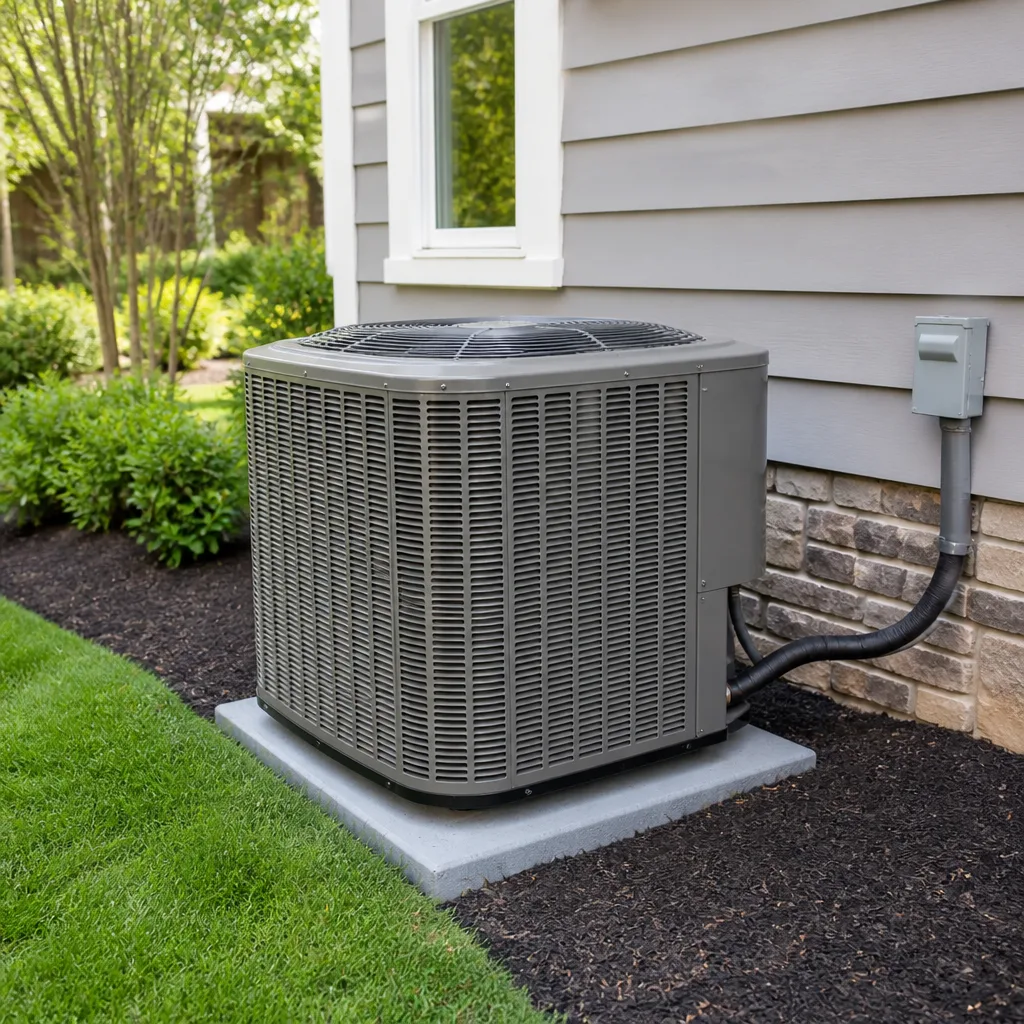 AC repair
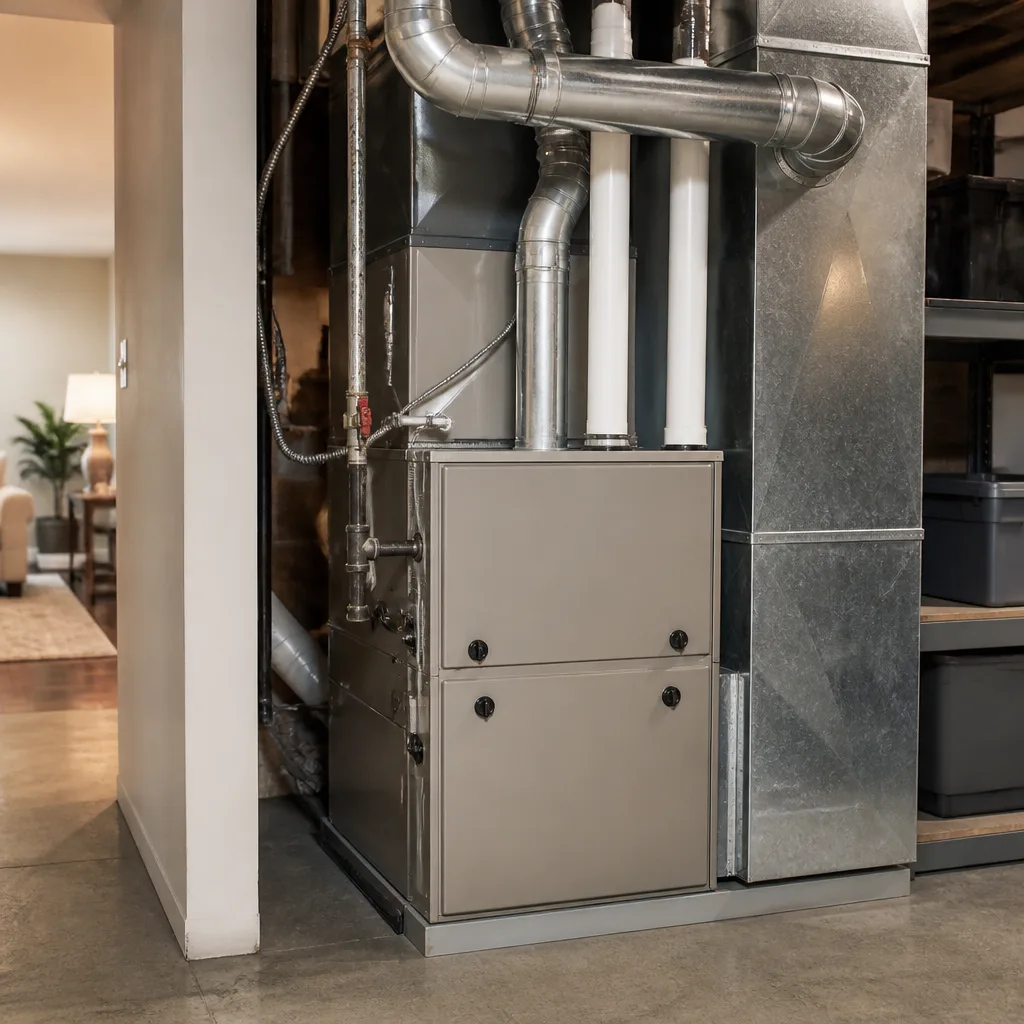 Furnace & heating
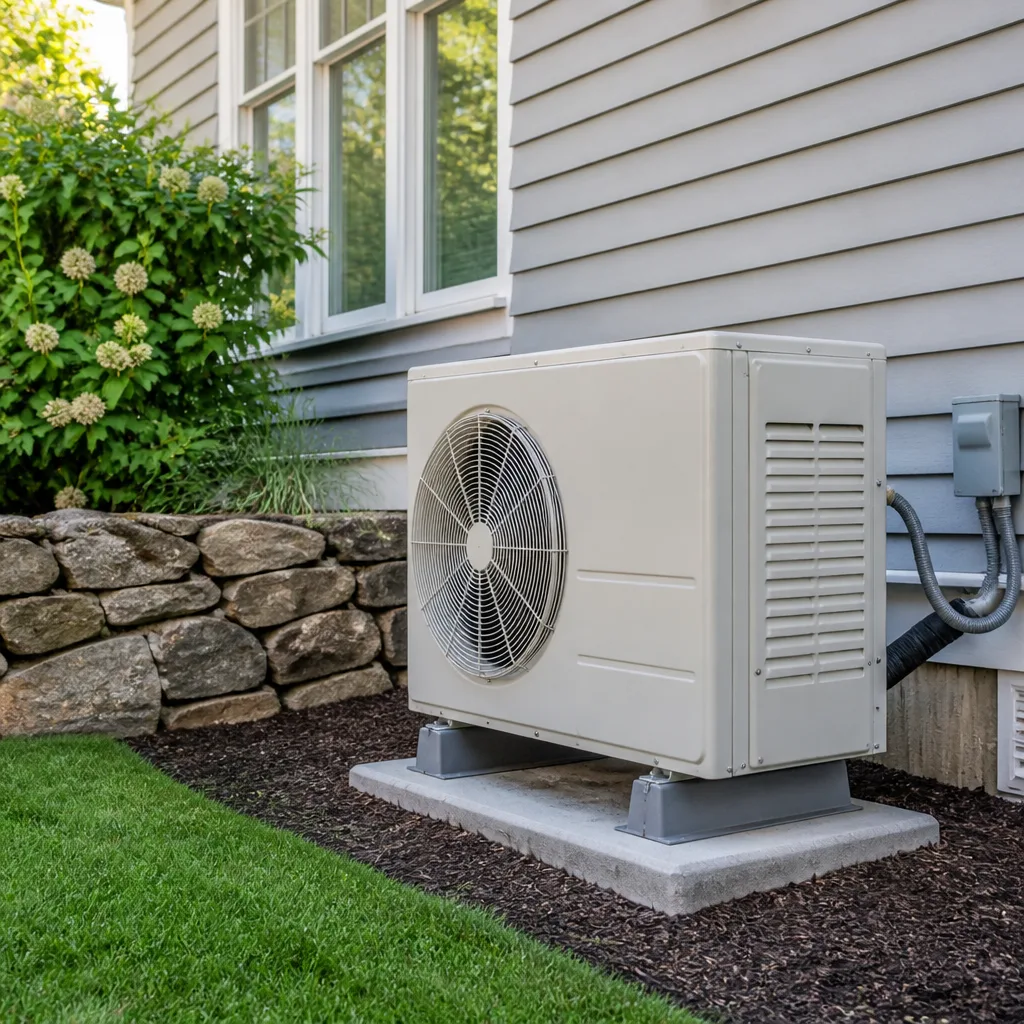 Heat pumps
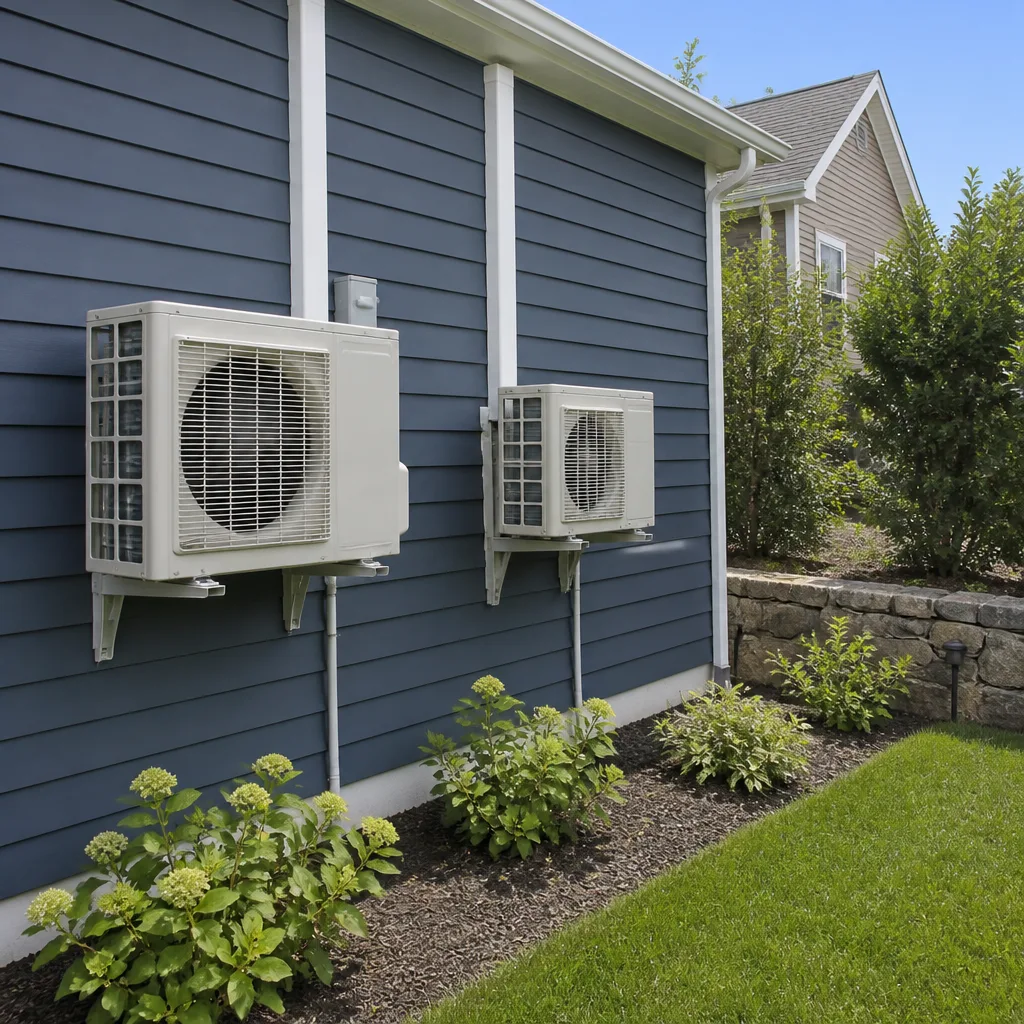 Ductless mini splits
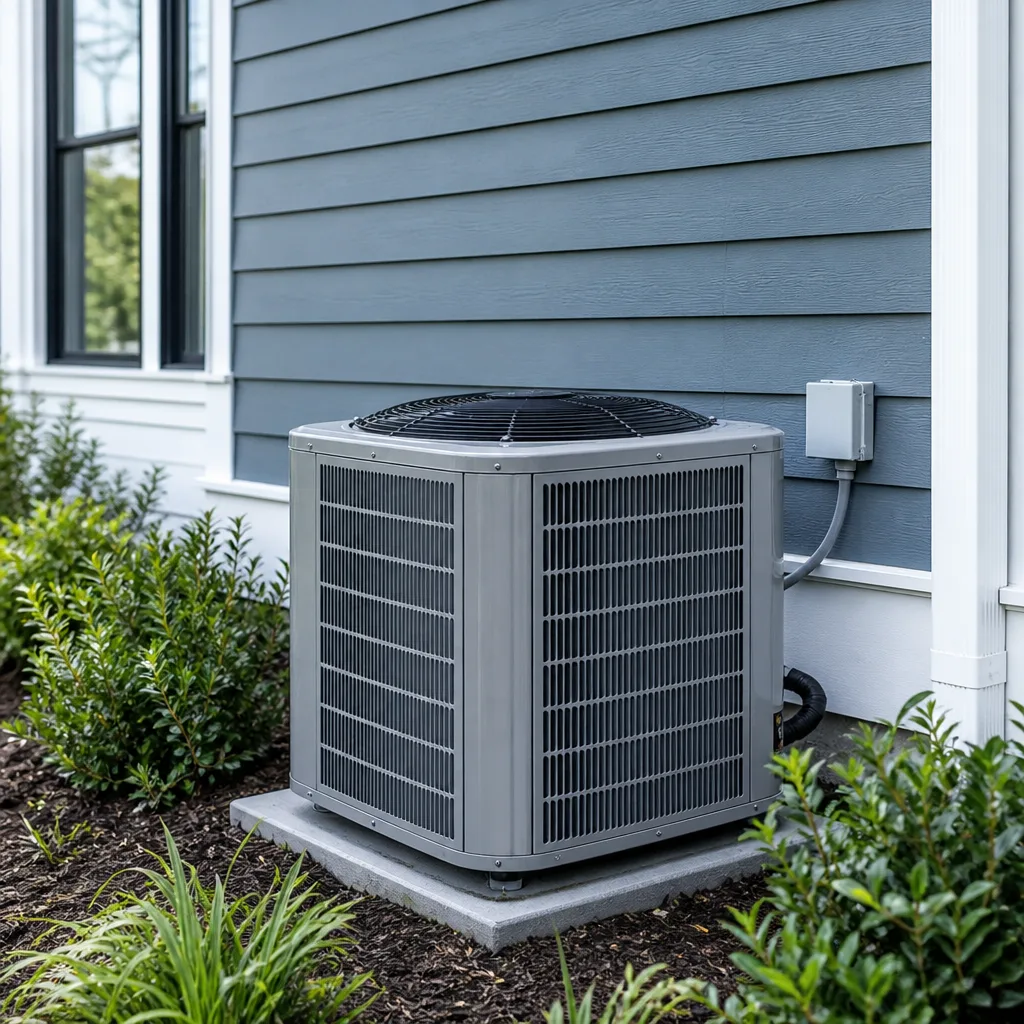 Carrier
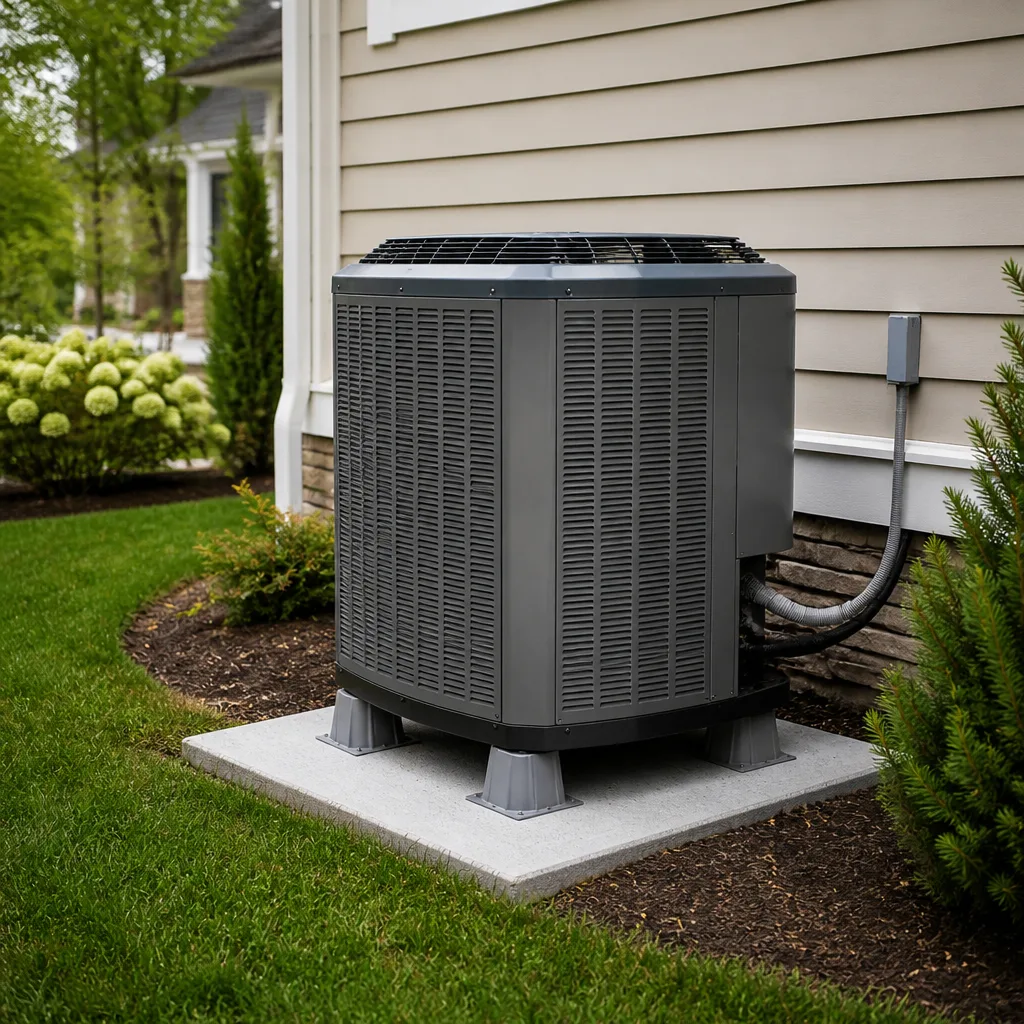 Trane
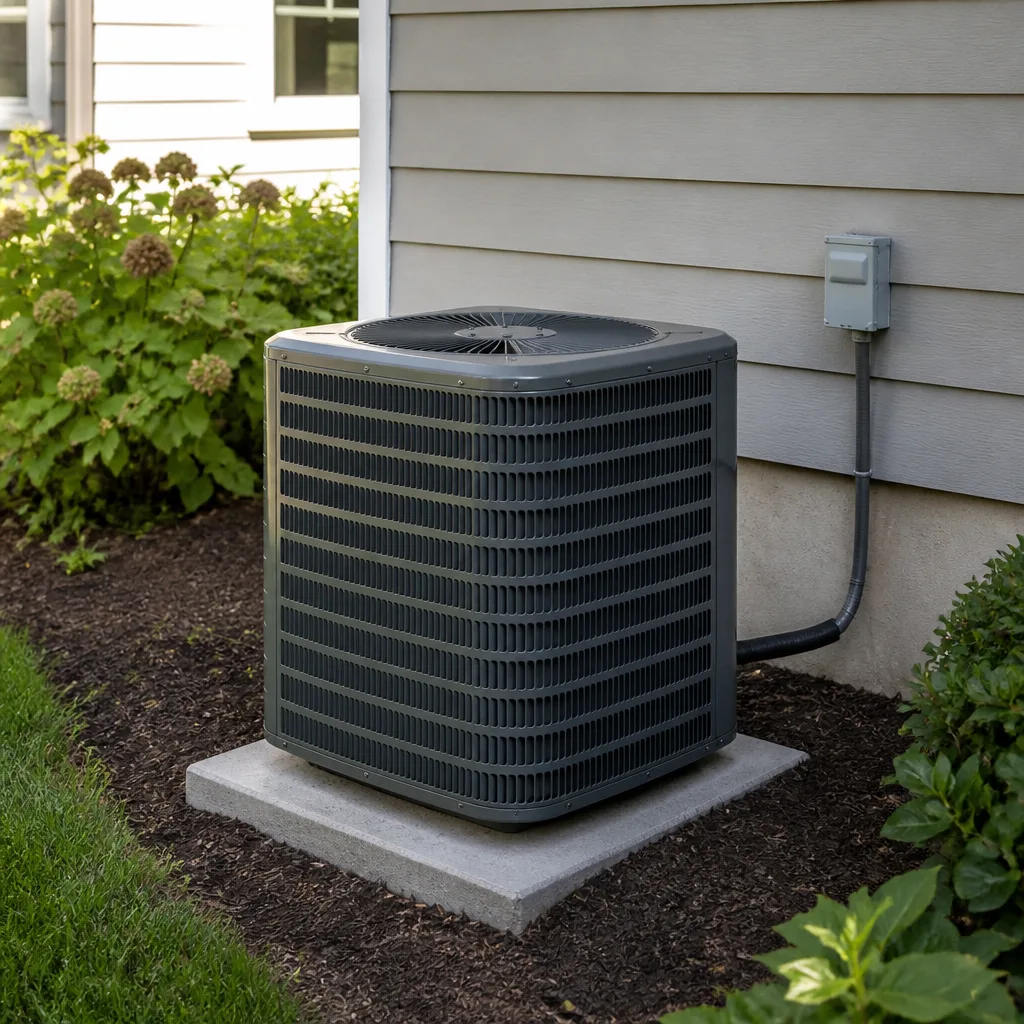 Goodman
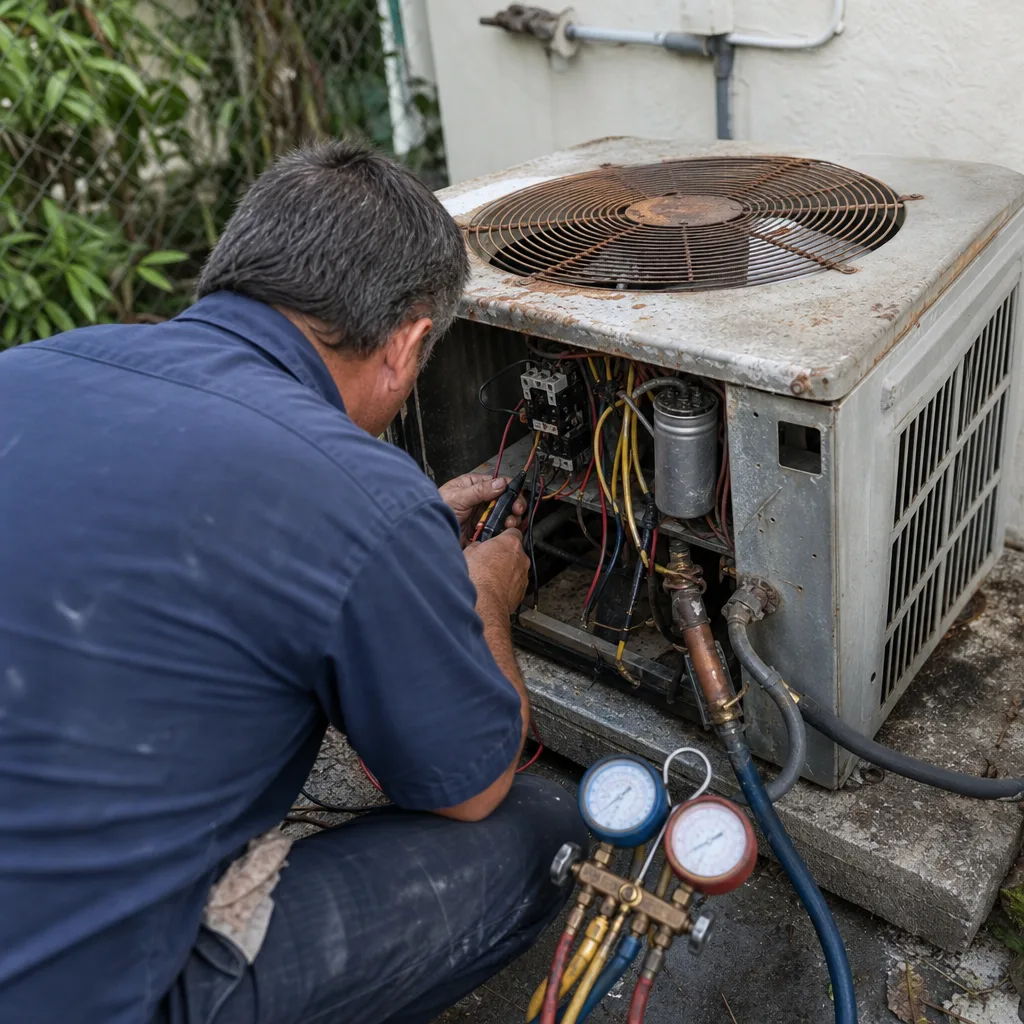
Seasonal tune-up and full diagnostic on your Carrier, Trane, or Goodman system - readings shown to you before any repair is proposed
Diagnosis first, numbers second - you approve the repair price before a single part goes in.
Get your free estimateChoosing the Right HVAC Brand: A Buyer’s Guide for Miami Gardens
Carrier and Trane are both excellent manufacturers. So are Goodman and Rheem. The homeowner who spent $3,000 more for a “premium” brand installed by a contractor who undersized the system will outspend the neighbor who bought a mid-tier Goodman installed correctly every year on their utility bill. That’s the uncomfortable truth about brand shopping: the logo on the cabinet tells you far less about how a system will perform in Miami Gardens than the model tier you choose and the person who installs it. This guide walks you through what actually matters here – coil corrosion, humidity handling, warranty coverage, parts availability in Miami-Dade, and how to read tested performance data instead of marketing brochures.
Quick Answer
There’s no single “best” HVAC brand for Miami Gardens. The best brand is the mid-tier model from a reputable manufacturer, correctly sized for your home, installed by a competent contractor who can service it. In Miami Gardens’ heat and humidity, model tier, correct sizing, and local parts availability matter more than brand prestige. We work on nine major brands – Carrier, Trane, Lennox, Goodman, Rheem, York, Daikin, Bryant, and American Standard – and the pattern holds across all of them: the installation determines the outcome.
Styles & brands we work with
- AC repair
- Furnace & heating
- Heat pumps
- Ductless mini splits
- Carrier
- Trane
- Goodman
Table of Contents
- Why Brand Matters Less Than You Think in Miami Gardens
- How to Evaluate an HVAC Brand by What Actually Matters Here
- Entry-Level vs. Mid-Tier: The Same Logo, Very Different Equipment
- Dealer Networks and Parts Availability in Miami-Dade
- How to Decode AHRI-Certified Equipment Data
- Repair What You Have or Switch Brands at Replacement?
- Questions to Ask Every Contractor Before You Sign
Why Brand Matters Less Than You Think in Miami Gardens
Every air conditioner sold in the United States has to meet the same federal minimum efficiency standards. Every major manufacturer buys compressors from a small handful of suppliers. The differences between brands are real, but they show up in the margins – the durability of a coil, the quality of a control board, the terms of a warranty. They don’t show up in the dramatic way the showroom wants you to believe.
What does show up dramatically is installation quality. A system that’s oversized for the house will short-cycle, never run long enough to pull humidity out of the air, and wear out its compressor years early. A system with a poorly brazed line set or an undercharged refrigerant circuit will underperform from day one. A system with an incorrectly sized return duct will strain to breathe in a way no brand badge can fix.
In Miami Gardens, this matters even more than it does elsewhere. Our cooling season runs most of the year, which means equipment here runs far more annual hours than the same unit would up north. Every installation mistake gets multiplied by thousands of extra running hours. Every coil corrosion issue accelerates in our humid, salt-adjacent air. The brand name fades into the background; the install and the model tier take over.
That’s why we tell homeowners to spend their research time on the contractor and the specific model number, not the manufacturer’s ad campaign. If you’re comparing options, our Bellmont AC Repair team can walk through what’s in your home now and what would actually improve it.
How to Evaluate an HVAC Brand by What Actually Matters Here
When you’re comparing brands for a Miami Gardens home, ignore the marketing language and look at three concrete things: how the coil is built, how the system handles humidity, and what the warranty actually covers. These are the failure points here.
Coil corrosion resistance. The evaporator coil is the component most likely to develop a leak in this climate. Look for brands that specify aluminum coils or corrosion-resistant coatings and back them with a parts warranty that lasts. Ask the contractor which brands have the fewest coil warranty claims in their own experience – not in a brochure.
Humidity handling specs. Sensible capacity is cooling; latent capacity is dehumidification. In Miami Gardens, you want a system that removes moisture, not just one that drops the thermometer. Look for variable-speed or two-stage equipment with a documented latent capacity rating, and a contractor who runs a proper load calculation so the system isn’t oversized into short-cycling.
Warranty coverage for the components most likely to fail. A ten-year parts warranty sounds impressive until you read what’s excluded. Compare:
- Compressor coverage – typically the longest window, but check whether labor is included
- Coil coverage – the most important line item in this climate
- Labor warranty – often separate from the manufacturer’s parts warranty, and frequently the difference between a $200 and a $1,200 repair
- Whether the warranty is transferable if you sell the house
- Registration deadlines – most manufacturers require registration within a set window after installation to activate the full term
Compare those three areas across two or three brands and the field narrows quickly. Brand marketing is loud; warranty language is quiet. Read the quiet part.
Entry-Level vs. Mid-Tier: The Same Logo, Very Different Equipment
Here’s what most homeowners never learn until they’re shopping: every major manufacturer sells multiple product lines under the same brand name. The Goodman unit at the entry-level price and the Goodman unit at the mid-tier price are built to different specifications, with different compressors, different coils, and different efficiency ratings. Same logo. Different machine.
The tier structure is roughly similar across brands:
- Builder-grade / entry level: Single-stage compressor, basic controls, minimum efficiency. Sold mostly to new construction and price-driven replacements.
- Mid-tier: Often two-stage or higher-efficiency single-stage, better coil construction, quieter operation, stronger warranty terms. The sweet spot for most existing homes.
- Premium: Variable-speed compressors, communicating controls, top efficiency ratings, the longest warranty windows. Worth it when the home has ductwork and insulation to support it.
In Miami Gardens, the mid-tier is usually the honest recommendation. A premium variable-speed system running on undersized or leaky ductwork won’t deliver its rated performance, and a builder-grade single-stage unit can perform well if it’s correctly sized and installed. Paying for the top tier and skipping the ductwork is the most common way homeowners waste money on a replacement.
When we quote a replacement, we compare model numbers, not brand names. Two units from the same manufacturer can differ by thousands of dollars and multiple efficiency tiers. If a contractor can’t tell you the exact model number and tier they’re proposing, that’s a red flag.
Dealer Networks and Parts Availability in Miami-Dade
Brand prestige fades fast when a system fails two years after installation and the part you need is three weeks out. In Miami-Dade, parts availability is a practical, week-of-outage concern, not a theoretical one.
What to look for in a brand’s local support:
- Authorized distributors with a presence in South Florida. The more local distribution depth a brand has, the faster a compressor, control board, or blower motor can get to your technician.
- Contractors trained on the specific brand. A tech who knows the fault codes, the common failures, and the diagnostic sequence on your brand will spend less time guessing and more time fixing.
- Common brands in your neighborhood. If most of the homes around you use a particular brand, the local parts pipeline for that brand is usually well-stocked. That’s a real, practical advantage when something fails on a hot afternoon.
- Whether the contractor can source the part directly. A well-connected contractor can often track down a part across multiple suppliers. A generalist handyman can’t.
Goodman, Rheem, York, and Daikin all have substantial installation bases across Miami-Dade, and parts for those brands are widely stocked. Carrier, Trane, and the other major lines have strong distribution too, but the particular model tier matters – an entry-level Carrier control board may be easier to find than a premium-tier board, even from the same manufacturer. When you need AC repair, the question to ask isn’t “which brand,” it’s “how fast can you get the part for the brand I have.”
We’re trained and equipped on nine brands precisely because the answer to that question changes with the homeowner’s system, not with our product preferences. Nine brands. One call.
How to Decode AHRI-Certified Equipment Data
AHRI certification is the industry’s independent verification that a matched system – condenser, evaporator coil, and furnace or air handler – actually delivers the performance the manufacturer claims. A system that isn’t AHRI-matched may not hit its rated numbers, even if every component is from the same brand.
Here’s how to use that data when comparing brands:
- Ask for the AHRI reference number. Every certified matched system has one. Ask the contractor to give it to you for the exact combination they’re proposing.
- Look up the rated capacity. The certified data lists the system’s actual delivered capacity in Btuh at specific conditions. Compare that against the load calculation for your home.
- Check the efficiency ratings in the certified data. SEER2 and EER2 are listed in the AHRI directory for the exact matched combination. This is the number to compare across proposals, not the number on the showroom placard.
- Confirm all three components are in the match. A contractor who pairs a brand-name condenser with a mismatched coil or air handler has broken the certification. The numbers no longer apply.
- Compare apples to apples. Two proposals with different tonnage, different tiers, or different component matches can’t be compared by price alone until you’ve aligned the certified data.
Marketing materials quote efficiency at ideal test conditions. AHRI data quotes it for the exact matched system at defined conditions. In Miami Gardens’ heat, the gap between the marketing number and the delivered number is wider than homeowners expect. If a contractor can’t produce an AHRI reference for their proposal, you don’t have anything to compare.
Repair What You Have or Switch Brands at Replacement?
When the system is failing, the brand question suddenly feels urgent. The honest answer is: it depends on what the diagnosis actually shows, not on whether the current brand is fashionable.
Here’s a practical way to think about it:
- Repair makes sense when the failed component is a single, replaceable part with a reasonable lifespan ahead, the system’s efficiency is within a reasonable range, and the rest of the equipment has years of service left. Parts compatibility within the current brand is usually excellent.
- Replacement makes sense when the compressor or coil is the failure point, the system is approaching the end of its effective service life, the repair cost is a large fraction of a new system, or the current equipment is on a discontinued control platform with no parts pipeline.
- Switching brands at replacement is almost never the deciding factor. Contractor skill, model tier, correct sizing, and ductwork condition matter far more. If you liked the current brand’s performance, staying with it has value: the technician is familiar, the parts pipeline exists, and the warranty may carry over more simply.
- Switching brands makes sense when a specific warranty concern has been a repeated problem for you, or a newer tier offers a meaningful efficiency or humidity advantage from a contractor you trust.
The behavior that actually pushes a homeowner into a premature replacement is a contractor with only one product line. If every quote comes back as a full system replacement in the same brand, that’s a sign the contractor is steering, not diagnosing. Our technicians have up to 11 years of experience diagnosing the system the customer already owns, and the recommendation follows the equipment’s condition, not the product line. For a straightforward replacement conversation, our AC installation team will quote more than one brand and both mid-tier and premium options.
One more point on switching: if you’re replacing a furnace or air handler alongside the AC, the brand match between indoor and outdoor units matters for the AHRI certification. A mismatched pair can lose its certified efficiency, which means you paid for a number you don’t get. Keep the match coherent unless the contractor can show you a certified cross-brand combination.
Questions to Ask Every Contractor Before You Sign
The brand question on the proposal is one line. The rest of the proposal is where the real information lives. Ask these questions before any replacement or major repair:
- What’s the exact model number and tier? Not the brand, not the series – the full model number. If they can’t produce it, the proposal is a placeholder.
- Did you run a load calculation? A room-by-room Manual J or equivalent, not a rule-of-thumb based on square footage. Sizing is the single biggest determinant of comfort in Miami Gardens.
- Is the system AHRI-certified as proposed? Ask for the reference number and check the certified capacity and efficiency ratings yourself.
- What does the warranty cover, and what’s excluded? Get the parts and labor terms in writing, including registration deadlines and transferability.
- What condition is the ductwork in? A new system on failing ducts is a partial job. Ask what’s being inspected and what the ducts can support.
- Can you get the parts for my current brand? If you’re repairing, ask about parts availability and expected timeline in writing.
- Will the same technician who diagnoses also service this system going forward? Continuity matters for warranty claims and future diagnostics.
If a contractor won’t answer these clearly, that’s your answer. Clear options, no pressure. A good contractor’s proposal reads like a diagnosis, not a sales pitch.
Common Mistakes to Avoid
- Choosing a brand based on the showroom display. The display unit is a mid-tier model from the manufacturer’s best showroom line. Nothing on that placard tells you how the entry-level version of the same brand performs. Ask for the model number and tier of what’s actually being installed.
- Oversizing because “bigger is better.” In Miami Gardens’ humidity, an oversized system short-cycles, fails to dehumidify, and wears out faster. Correct sizing from a load calculation beats a bigger system every time.
- Comparing proposals by price alone. Two quotes differ in tier, tonnage, duct scope, and warranty terms. Align those before comparing numbers, or you’re comparing different jobs.
- Ignoring the ductwork. A high-efficiency system on restrictive or leaky ducts delivers a fraction of its rated performance. The brand can’t fix an installation problem downstream of the cabinet.
- Assuming all units with the same logo are equal. Entry-level and mid-tier equipment from the same manufacturer are meaningfully different machines. Ask which tier you’re being quoted.
- Switching brands on prestige alone at replacement time. A different brand doesn’t fix a sizing problem or a duct problem. If the current brand has performed, staying with it is often the wiser call.
- Skipping the AHRI reference. A matched system without a verified certification may not deliver its rated efficiency. Ask for the reference and check the data.
See the difference
 Before
 After
 Before
 After
 Before
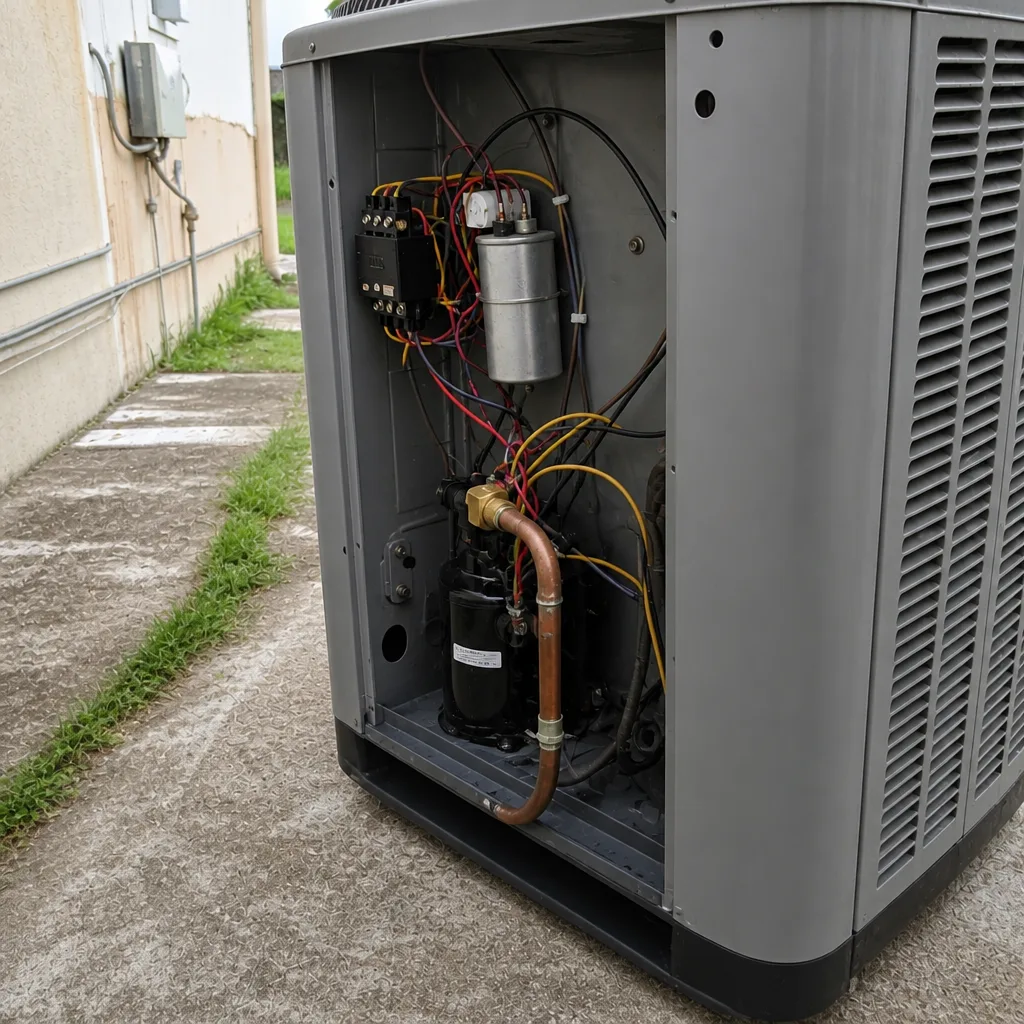 After
When to Call a Professional
Call a professional when the system stops cooling adequately, when you hear it running constantly without reaching the setpoint, when you notice ice on the indoor coil or refrigerant lines, when you smell musty air that never clears, or when the system is more than a decade old and facing a major repair. If you’re comparing replacement quotes and need to know what you’re actually being offered, that’s a professional call too. Refrigerant work and compressor diagnostics require tools and training that aren’t safe or effective to attempt yourself.
Bellmont AC Repair offers free estimates in Miami Gardens. We work on the system you have – any of nine major brands – and the recommendation follows the equipment’s condition, not a preferred product line. Cooling specialists who also handle your furnace, all under one company name. Call (844) 560-6509 for a free estimate. We answer 24/7. Fast dispatch from 7am to 7pm, Sunday through Friday.
Frequently Asked Questions
There’s no single best brand. The best choice is a mid-tier model from a reputable manufacturer, correctly sized with a load calculation, installed by a contractor who services it and can source parts locally. The installation and the model tier matter more than the logo. Call (844) 560-6509 for a free estimate and an honest comparison.
Usually not unless the home’s ductwork and insulation can support the performance you’re paying for. A premium variable-speed system on undersized ducts won’t deliver its rated performance in Miami Gardens’ climate. A correct mid-tier install often outperforms a premium system on poor infrastructure. Call (844) 560-6509 to talk through what your home actually supports.
Yes, in practical terms. Brands with strong local distribution and a large installed base have faster parts access on common failures. Availability also varies by model tier within the same brand – entry-level controls are often easier to source than premium-tier boards. Call (844) 560-6509 to check parts for the brand you own.
Repair is often the right call when a single replaceable component has failed and the rest of the system has service life left. Switching brands at replacement rarely improves the outcome compared with correct sizing, a good install, and quality ductwork. The recommendation should follow the equipment’s condition, not a preferred product line. Call (844) 560-6509 for a diagnosis before you decide.
AHRI certification confirms that a specific matched combination of condenser, coil, and air handler delivers the capacity and efficiency the manufacturer claims. Ask for the AHRI reference number on every replacement proposal in Miami Gardens. Without it, the efficiency numbers on the proposal may not apply to the system you’re actually getting. Call (844) 560-6509 for a proposal with the certified data attached.
No. A well-equipped HVAC contractor services both cooling and heating systems across multiple brands, which is how we operate. Heating work in Miami Gardens is lighter than cooling work, but a furnace or heat-pump failure is still worth prompt attention. Call (844) 560-6509 – one company covers AC repair, AC installation, and furnace repair.
The Bottom Line
Brand shopping is the wrong first move. Sizing, installation quality, model tier, and ductwork condition drive real-world performance far more than the logo on the cabinet. Compare brands second – using coil construction, warranty coverage, and AHRI-certified data as the criteria, not marketing language. Give real weight to parts availability in Miami-Dade and whether the contractor actually knows your brand. And when the time comes to decide between repair and replacement, look at the equipment’s condition, not its badge. We work on nine brands across Miami Gardens because the right answer changes with the homeowner’s system, not ours. Fast diagnosis, clear options, no pressure.
Call (844) 560-6509 for a free estimate. We answer 24/7. Fast dispatch from 7am to 7pm, Sunday through Friday.
Written by the team at Bellmont AC Repair.