
Last updated November 14, 2026
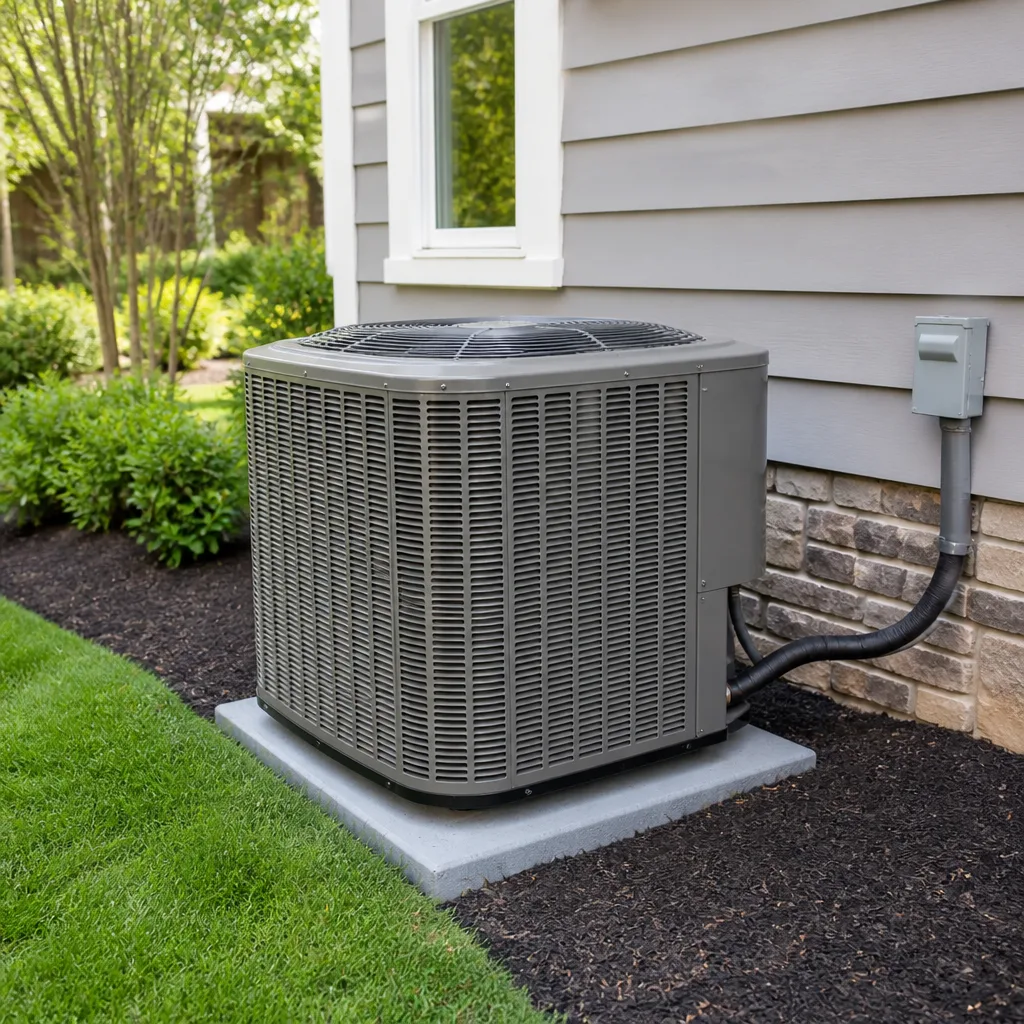 AC repair
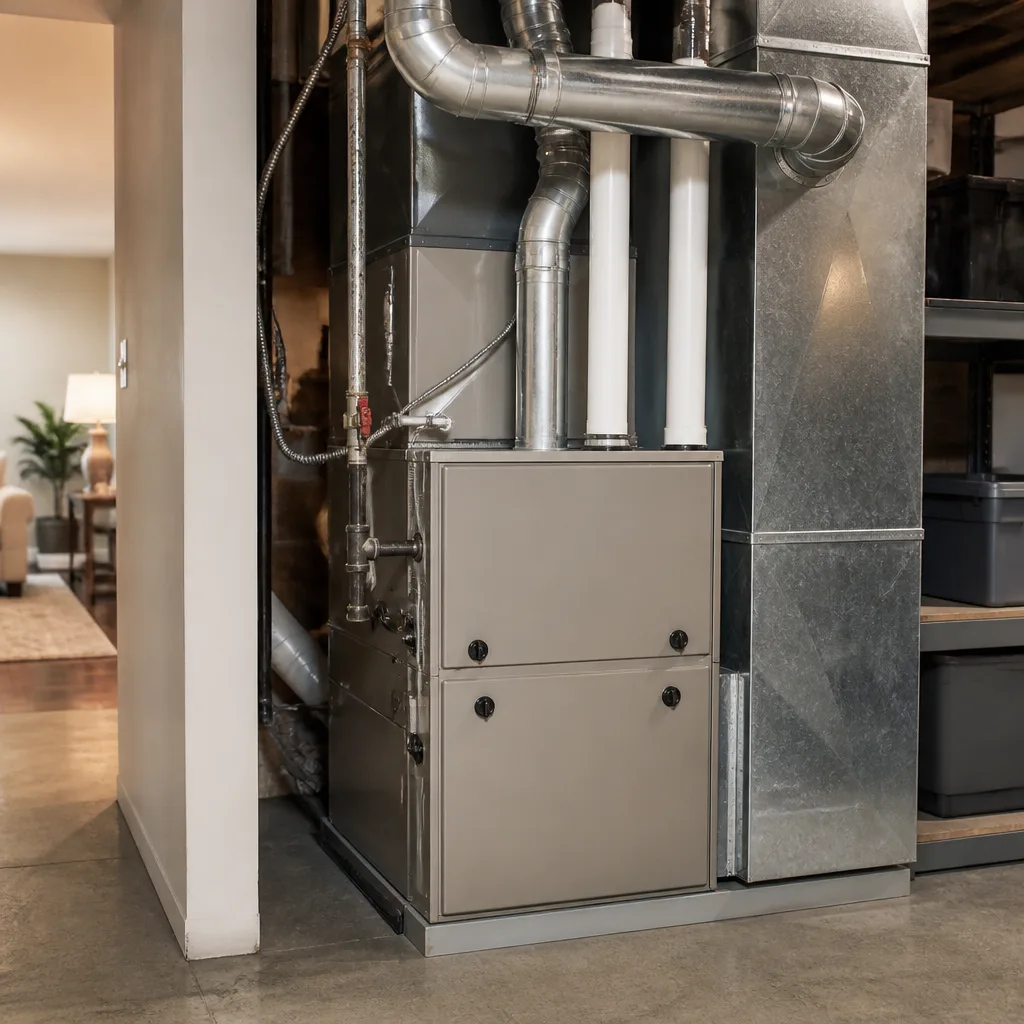 Furnace & heating
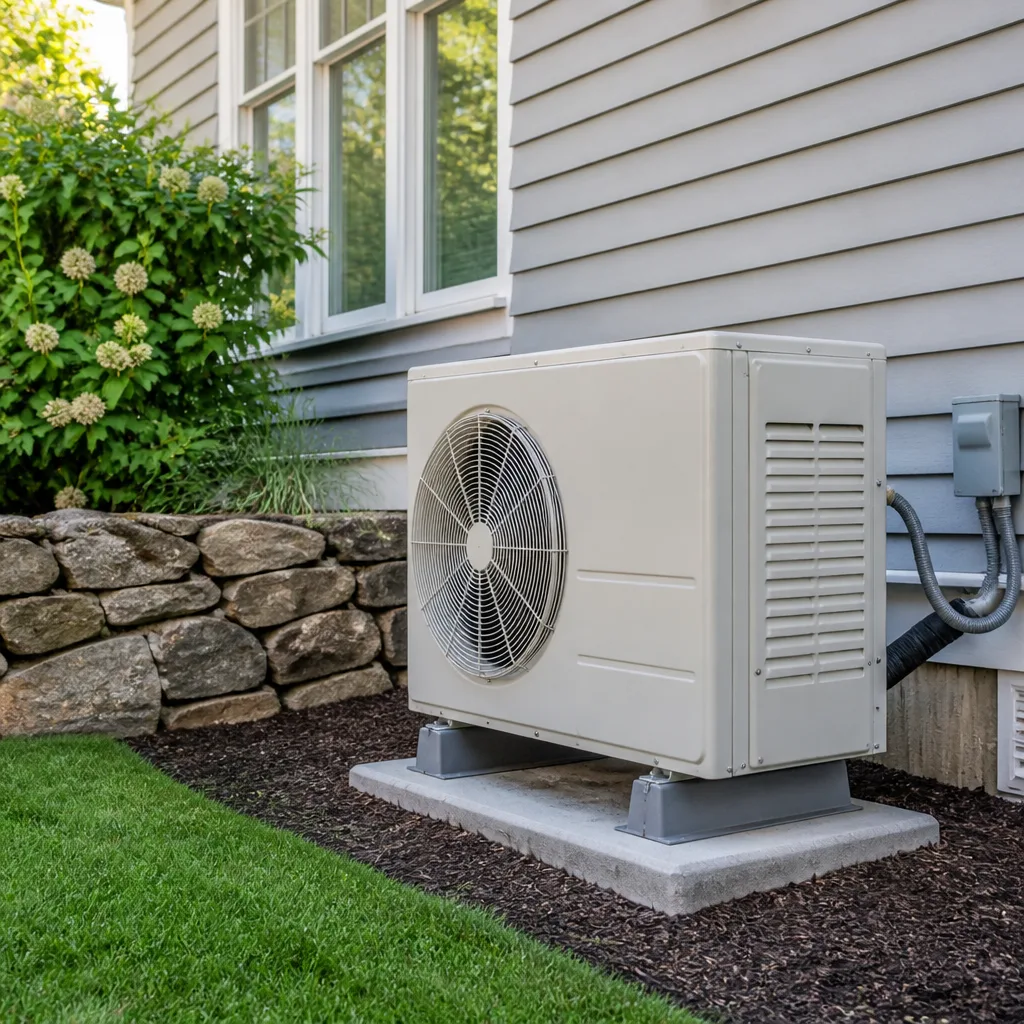 Heat pumps
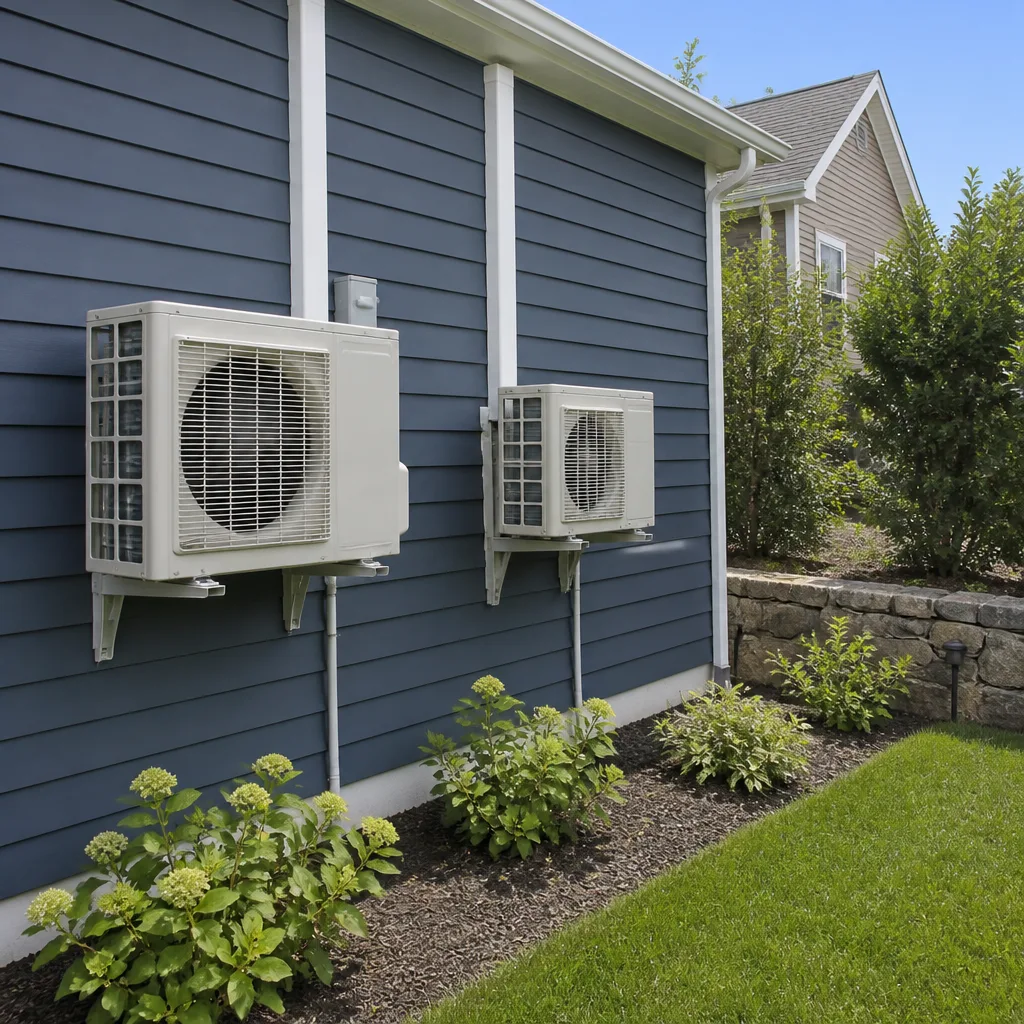 Ductless mini splits
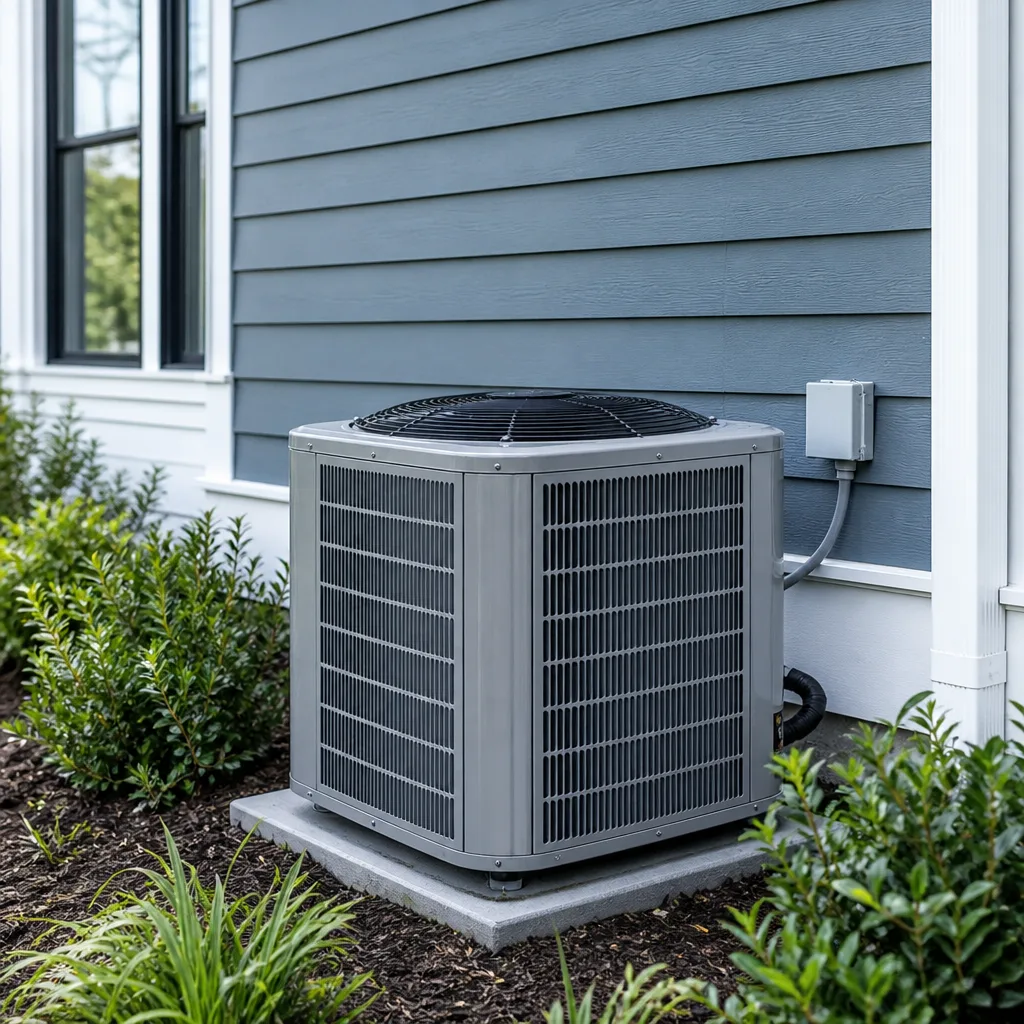 Carrier
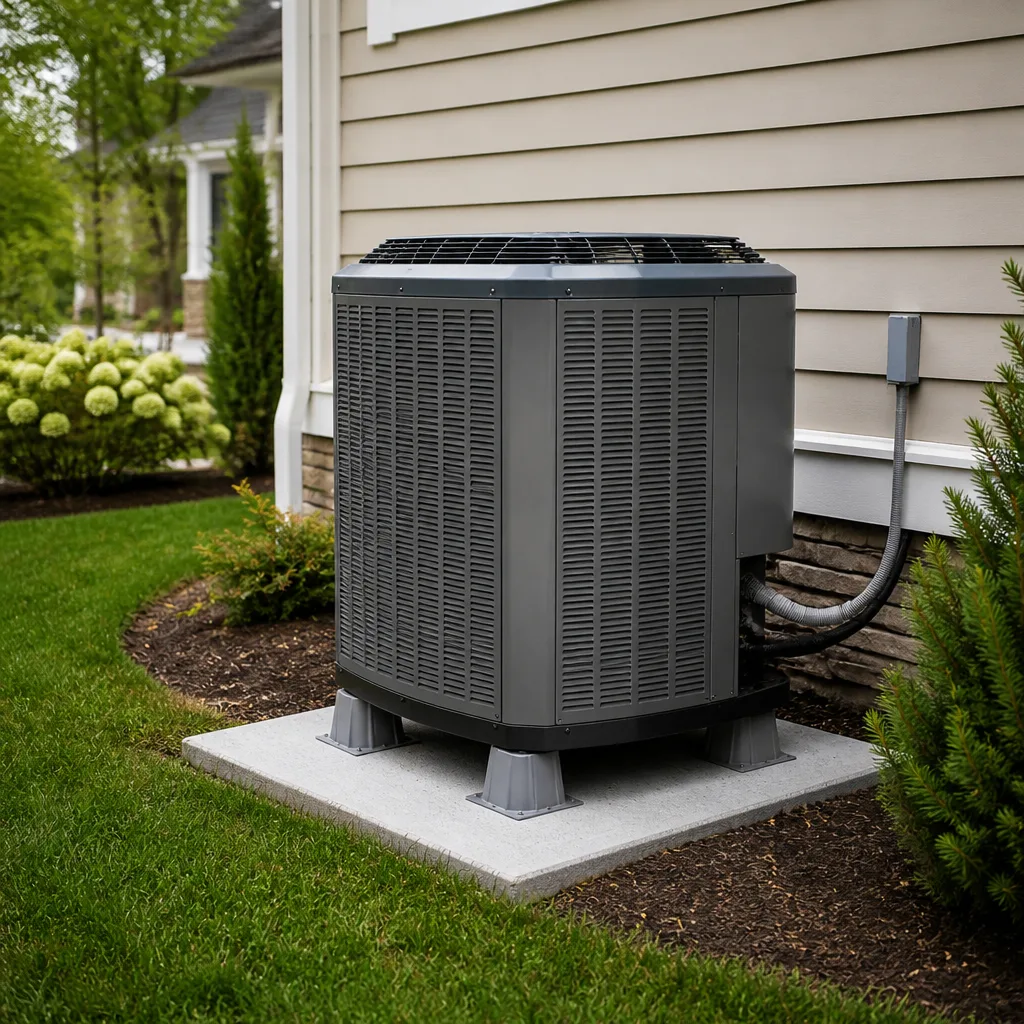 Trane
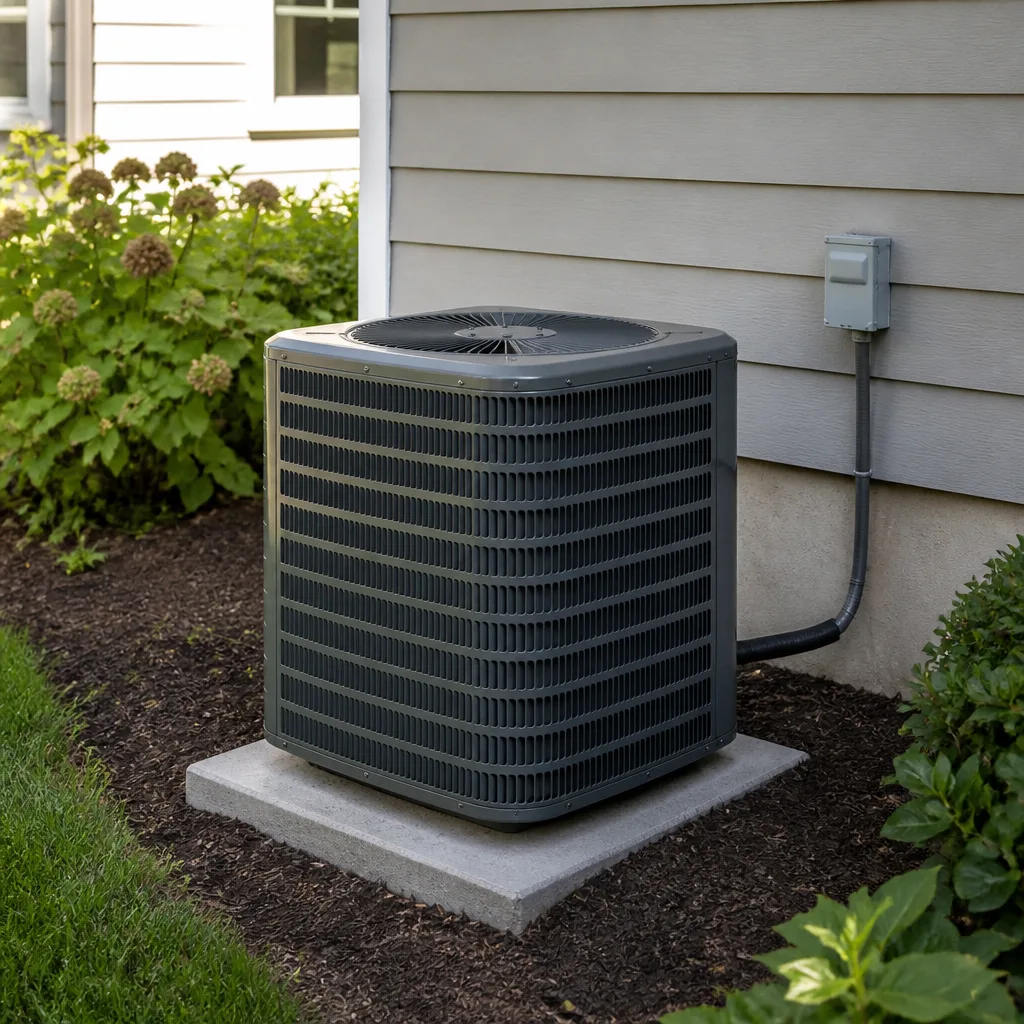 Goodman
Seasonal tune-up and full diagnostic on your Carrier, Trane, or Goodman system - readings shown to you before any repair is proposed
Diagnosis first, numbers second - you approve the repair price before a single part goes in.
Get your free estimateAC Repair Troubleshooting in Miami Gardens: Common Problems and How to Fix Them
The most common AC “breakdown” we hear about in Miami Gardens isn’t a breakdown at all. It’s a tripped float switch, a thermostat sitting in the wrong mode, or a filter so clogged the coil can’t breathe. These are ten-minute checks. They cost nothing to try and they resolve a surprising share of no-cool calls before anyone needs to pick up the phone. The harder skill is the opposite one: knowing when a symptom that looks minor is actually a refrigerant leak, a failing compressor, or an electrical fault that needs a trained technician today. This guide walks you through a symptom-first decision tree so you can tell the difference, in what order to check things, and when to stop and call.
Quick Answer
Most AC problems in Miami Gardens fall into two buckets: things you can safely check and reset in a few minutes (thermostat mode, float switch, breaker, filter, frozen coil) and things that require a licensed technician immediately (refrigerant leaks, electrical faults, compressor failure, hissing or screaming sounds). Work through the safe checks in order before you call. If you smell gas, hear hissing, or see repeated tripping at the breaker panel, stop and call a professional.
Styles & brands we work with
- AC repair
- Furnace & heating
- Heat pumps
- Ductless mini splits
- Carrier
- Trane
- Goodman
Table of Contents
- What to Check Before You Call: A Symptom-First Decision Tree
- AC Blowing Warm Air: Frozen Coil vs. Refrigerant Leak
- What Your AC’s Sounds Are Telling You
- Reading Error Codes on Trane, Lennox, Goodman, and Carrier Systems
- Why Miami Gardens Humidity Changes Whether a DIY Fix Holds
- The Drain Line Problem Behind Half the No-Cool Calls Here
- Filters, Breakers, and Thermostats: The Cheap Fixes
- Short Cycling: Why Your System Starts and Stops
What to Check Before You Call: A Symptom-First Decision Tree
Before you dial anyone, work through these checks in this exact order. Each one takes under two minutes and rules out a whole category of problem. Doing them in sequence matters, because a filter problem can look like a refrigerant problem, and a tripped float switch looks exactly like a dead compressor from the outside.
- Thermostat mode and setpoint. Confirm the system is set to COOL, not HEAT or FAN ONLY, and that the setpoint is at least three degrees below the current room temperature. In Miami Gardens, a thermostat knocked to “auto” during a power blip is a routine call. Replace thermostat batteries if the display is dim or blank.
- Air filter. Pull the filter and hold it up to a light. If you can’t see light through it, it’s restricting airflow. A clogged filter can freeze a coil in under an hour in humid weather. Replace it before you do anything else.
- Float switch. This is the one homeowners skip and shouldn’t. Find the small plastic switch on the condensate drain line near the air handler or outdoor unit. If the drain pan has water in it, the switch has likely tripped to protect your home from overflow. Reset per the manufacturer’s instructions and check whether the drain line is clogged.
- Breaker. Check the indoor air handler breaker and the outdoor condenser breaker. A tripped breaker can be reset once. If it trips again immediately, stop and call. That’s an electrical fault, not a user error.
- Outdoor unit running? Listen and look. If the outdoor fan is spinning but the indoor air is warm, you’re likely looking at a refrigerant issue or a frozen coil. If nothing is running, the problem is upstream in power or controls.
- Ice on the lines or coil. If you see frost or ice on the copper lines or the indoor coil, turn the system off at the thermostat and let it thaw. See the frozen coil section below before restarting.
If all six checks come back clean and the house still isn’t cooling, that’s your signal to call. For most homeowners in Miami Gardens, this walkthrough takes ten minutes and tells you whether you’re facing a reset or a repair. When it’s a repair, you’ll want our AC repair team on the line, because the remaining possibilities are refrigerant, compressor, or control board issues that need a trained eye and gauges.
AC Blowing Warm Air: Frozen Coil vs. Refrigerant Leak
“Blowing warm air” is the single most common complaint we hear, and it has two very different causes that look identical from inside the house. One you can often recover from yourself. The other needs a licensed technician, period.
How a frozen coil happens
A frozen evaporator coil means ice has built up on the indoor coil because airflow dropped or refrigerant charge is low. Common triggers: a dirty filter, a blocked return vent, or a blower that’s failing. When airflow drops, the coil gets colder than it should, condenses moisture fast in Miami Gardens humidity, and that moisture freezes. Ice insulates the coil, cooling stops, and the system blows room-temperature air.
How a refrigerant leak looks different
A refrigerant leak also causes a frozen coil, but the underlying cause is a loss of charge, not airflow. Signs that point to a leak rather than a restriction:
- The system cools fine for a while, then stops cooling altogether without any filter or vent change.
- You see frost on the outdoor unit’s copper lines and the indoor coil together.
- The unit runs continuously without reaching setpoint for hours.
- You’ve had this same symptom before and it “fixed itself” after a technician visit.
Refrigerant handling requires a license and EPA certification. This is not a DIY job, and topping off refrigerant without finding the leak just repeats the problem next season. If your warm-air symptom matches any item on that list, call us at (844) 560-6509.
Recovering from a frozen coil in Miami Gardens
- Turn the thermostat to OFF, not COOL. Running a frozen system can damage the compressor.
- Turn the fan to ON so indoor air moves across the coil and speeds thawing.
- Replace the filter now, not after.
- Wait two to four hours. Check for water in the drain pan.
- Restart on COOL. If it freezes again within a day, call. The cause is refrigerant or a blower issue, not airflow.
What Your AC’s Sounds Are Telling You
You know your system’s normal sound better than anyone. When that changes, the type of sound usually tells you whether to act now or watch it for a day. Here’s how we read them.
Rattling
A rattle is usually mechanical looseness: a loose panel screw, a fan blade out of balance, or debris in the outdoor cabinet. It’s rarely an emergency, but a persistent rattle means something is moving that shouldn’t. If a fan blade is hitting the shroud, stop running the system. Blade contact can crack the condenser coil.
Clicking
A single click at startup is normal. Repeated clicking that doesn’t turn into a running fan usually points to a failing capacitor or a contactor. That’s a repair, but not an emergency unless the compressor itself is trying to start and can’t. In that case, turn the system off at the thermostat and call.
Hissing
Hissing is the one to treat as time-sensitive. It usually means refrigerant escaping at pressure. Turn the system off, don’t touch the lines, and call a professional for a licensed diagnosis. Hissing near a valve could also be a failed Schrader valve, but you can’t tell which without gauges.
Screaming or metal-on-metal
This is a compressor bearing or fan motor failing. Stop the system now and call. Running through a scream can turn a repairable motor into a compressor replacement.
Buzzing
Electrical buzzing from the outdoor unit can be a contactor chattering or a loose wire. If the buzzing is at the breaker panel, stop. Never open a panel yourself. That’s a licensed-electrician and HVAC-technician boundary.
If any of these sounds came with warm air or a tripped breaker, call (844) 560-6509. We answer 24/7, and fast dispatch from 7am to 7pm keeps the wait short.
Reading Error Codes on Trane, Lennox, Goodman, and Carrier Systems
Modern thermostats and control boards flash short error codes that mean very specific things. Reading them saves a diagnostic visit and tells the technician what to bring. The codes differ across brands and models, so check your owner’s manual for the exact definition. What follows are the code categories that come up most in Miami Gardens, and what each category usually means in plain language.
- Pressure switch / low-pressure lockout. The system detected low refrigerant pressure or a restriction and locked itself out to protect the compressor. Usually a leak or a dirty filter starving the coil. Turn power off and call.
- High-pressure lockout. The condensing side is overheating. Common causes are a dirty outdoor coil, a failing condenser fan, or a return obstruction. Sometimes recoverable by cleaning the outdoor coil, sometimes a fan motor.
- Airflow / blower fault. The blower motor or its control board is reporting a problem. Frequently a capacitor, sometimes a blower motor. Not a DIY replacement.
- Flame or ignition fault (furnace). On a Trane or Lennox gas furnace, this code means the ignition sequence failed. Gas handling is not a DIY job; call a technician.
- Communication error. The thermostat and the control board aren’t talking. Often a low-voltage wire issue or a dying thermostat. Sometimes resolved by cycling power at the breaker once.
The brand on your equipment matters because technicians diagnose based on what’s actually installed. Our team is trained and experienced on nine major brands: Carrier, Trane, Lennox, Goodman, Rheem, York, Daikin, Bryant, and American Standard. That means when you call with a code in hand, we can tell you what’s likely and bring the right parts. Nine brands, one call.
Why Miami Gardens Humidity Changes Whether a DIY Fix Holds
A fix that works in a dry climate is often temporary here. Miami Gardens sits in one of the most humid environments in the country for most of the year, and that changes what a working solution looks like. This isn’t about climate theory. It’s about why your AC’s drainage system is as important as its cooling system.
An air conditioner does two jobs at once: it cools air and it removes moisture. In Miami Gardens humidity, that second job runs constantly. A system that’s tuned to cool a house also dumps a substantial volume of condensate every day. That water has to leave the unit through a drain line and a trap. When it doesn’t, the float switch trips, or the pan overflows into your ceiling.
What this means for common DIY fixes
- Cleaning the indoor coil without addressing the drain line stops the freezing symptom but leaves the underlying drainage problem. The coil refreezes within days because moisture keeps building on a coil that can’t drain properly.
- Cleaning an outdoor coil with hose pressure can work, but if you bend the fins you’ve restricted airflow in a way that mimics a failing fan on the next call.
- Duct tape on drain pan cracks holds for a season max. In this humidity, water finds the seam again.
- Turning the system off to thaw a coil works only if you replace the filter and check the drain line before restarting. Otherwise you’re thawing a coil that will refreeze by tomorrow.
The pattern here: in Miami Gardens, most DIY AC fixes work only if you address the moisture pathway, not just the visible symptom. If you fix the symptom and the system misbehaves again in a week, that’s the sign. Call (844) 560-6509 for a free estimate. We’ll tell you what’s actually failing before you spend another season on the same fix.
The Drain Line Problem Behind Half the No-Cool Calls Here
If we had to rank the causes of “my AC quit” calls in Miami Gardens, a clogged condensate drain line would top the list. It isn’t dramatic. The system just stops. That’s because a safety switch, called a float switch, sits on the drain line and shuts the system off the moment it senses backed-up water. From inside the house, that looks exactly like a dead compressor. From outside the drain line, it’s a five-minute check.
How to tell whether the drain line is the problem
- Find the indoor air handler. It’s the unit inside your home, sometimes in a closet, garage, or attic.
- Look for the plastic condensate pan under the air handler. If there’s standing water in it, the float switch has likely triggered.
- Locate the float switch on the drain line. On most systems, it’s a small plastic switch with a wire lead. Some have a reset button; others clear on their own once the water drains.
- Look for the drain line’s exit point outside the home. If no water is dripping and the system stopped recently, the line is likely clogged.
- Clear the visible clog at the pan or trap. If the clog is inside the wall, don’t force it. Call us.
Do not bypass or disconnect the float switch to “get the system going.” It exists to protect your home from a ceiling or wall leak, and in Miami Gardens humidity, that protection gets called on more than once a summer.
Why this problem keeps coming back
In high humidity, drain lines grow a thin film of biological growth faster than in dry climates. An annual flush with the standard treatment prevents most clogs, but if you’ve already had two clogs in a season, the pitch of the line or the trap design may need to be corrected. That’s a technician job. Fast dispatch from 7am to 7pm means we can usually look at it the same day you call.
Filters, Breakers, and Thermostats: The Cheap Fixes
A surprising share of no-cool calls are one of these three things. None of them require tools beyond a screwdriver, a filter, and batteries.
Air filter: the highest-value check
In Miami Gardens, the AC runs nearly every day from spring into fall, so filters load up fast. A one-inch pleated filter should be checked every 30 days and replaced every 60 to 90. If you have pets or you’re near a construction site, sooner. A clogged filter costs you money three ways: it slows cooling, it freezes the coil, it can trip the system into lockout. Keep two filters on hand and swap at the same time you change a wall calendar month.
Breaker: reset once, then stop
The condenser on the outside of the house and the air handler inside usually have separate breakers. Flip to the middle position first, then to OFF, then back to ON. If it holds, you’ve reset it. If it trips again within minutes, don’t flip it a third time. A breaker that trips twice is telling you something, and that something needs a technician with a meter.
Thermostat: mode, batteries, and setpoint
Three things to check on any thermostat, whether it’s a basic model or a smart thermostat:
- Mode. Confirm COOL, not FAN or AUTO trying to heat.
- Setpoint. It needs to be at least three degrees cooler than the room. Setting it lower than that won’t cool faster; it just runs longer.
- Batteries. Dim display, blank display, or a restart loop usually means batteries.
If you’ve done all three and the system still won’t come on, the problem is in the control wiring or a component. That’s when our Miami Gardens technicians can save you another hour of guessing.
Short Cycling: Why Your System Starts and Stops
Short cycling means your AC reaches its setpoint in a few minutes, shuts off, and comes right back on. Or it never quite gets there but keeps cycling. Both waste energy and shorten the compressor’s life, and both have specific causes you can start narrowing down before you call.
Common causes of short cycling
- Oversized system. A unit that’s too big for the house cools fast and shuts off before it removes enough moisture. This is common in homes where the AC was replaced without a proper load calculation. The fix isn’t repair. It’s right-sizing at replacement.
- Clogged filter or restricted airflow. Airflow starvation trips limits and shortens the cycle. Check the filter first.
- Low refrigerant charge. The system cools unevenly and hits safety cutoffs. Requires a technician.
- Failing thermostat. A thermostat reading the wrong temperature cycles the system on and off.
- Frozen coil. A partially frozen coil cools the house slowly, the thermostat calls for more, the unit cycles.
- Failing capacitor or contactor. The outdoor unit struggles to start, runs a short cycle, and shuts off.
What to do before you call
- Replace the filter if it’s dirty.
- Verify thermostat setpoint and mode.
- Check for ice on the indoor coil or copper lines.
- Note whether the cycling correlates with the outdoor unit’s sound. A buzz or click before each cycle is a capacitor signal.
- Call with what you found. It changes the diagnosis window from hours to minutes.
If short cycling has been going on for a season, think about whether you’re facing a repair or a replacement. Our AC installation team will give you the numbers on both so you can decide without pressure. Sometimes the honest answer is a thirty-dollar capacitor. Sometimes it’s a right-sized system. We’ll tell you which, in writing.
Common Mistakes to Avoid
- Bypassing the float switch to keep the system running. Tempting on a hot afternoon in Miami Gardens, but it removes the one protection between a slow drain and a ceiling stain. If the switch trips, find and fix the cause.
- Adding refrigerant without finding the leak. Topping off the system looks like a fix but repeats within a season. A proper diagnosis includes finding where the charge went.
- Running a frozen system to see if it corrects itself. It won’t. Ice on a coil is a symptom, and running it frozen risks the compressor, which is the most expensive component in the system.
- Flipping a tripping breaker more than once. A breaker that trips twice is telling you something is wrong. Reset once, then call. Repeated resets risk the compressor and the panel.
- Treating every “warm air” call as refrigerant. Check the filter and thermostat first. In Miami Gardens, a clogged filter or a tripped float switch can look exactly like a leak from inside the house.
- Buying a bigger system to fix short cycling. If the home is getting oversized equipment, short cycling gets worse, not better. Ask for a load calculation before any replacement.
- Ignoring hissing. Hissing is refrigerant escaping at pressure. It’s the one sound that should trigger an immediate call, not a wait-and-see.
See the difference
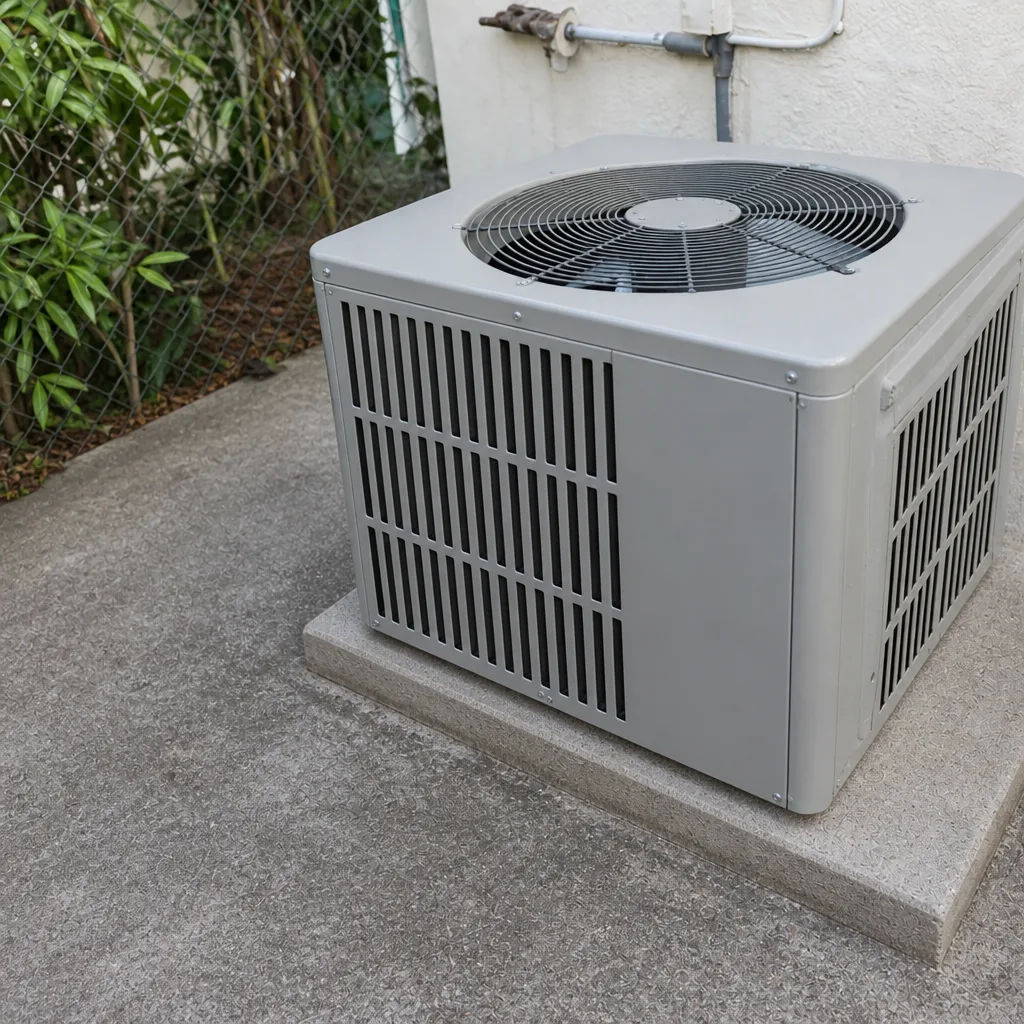
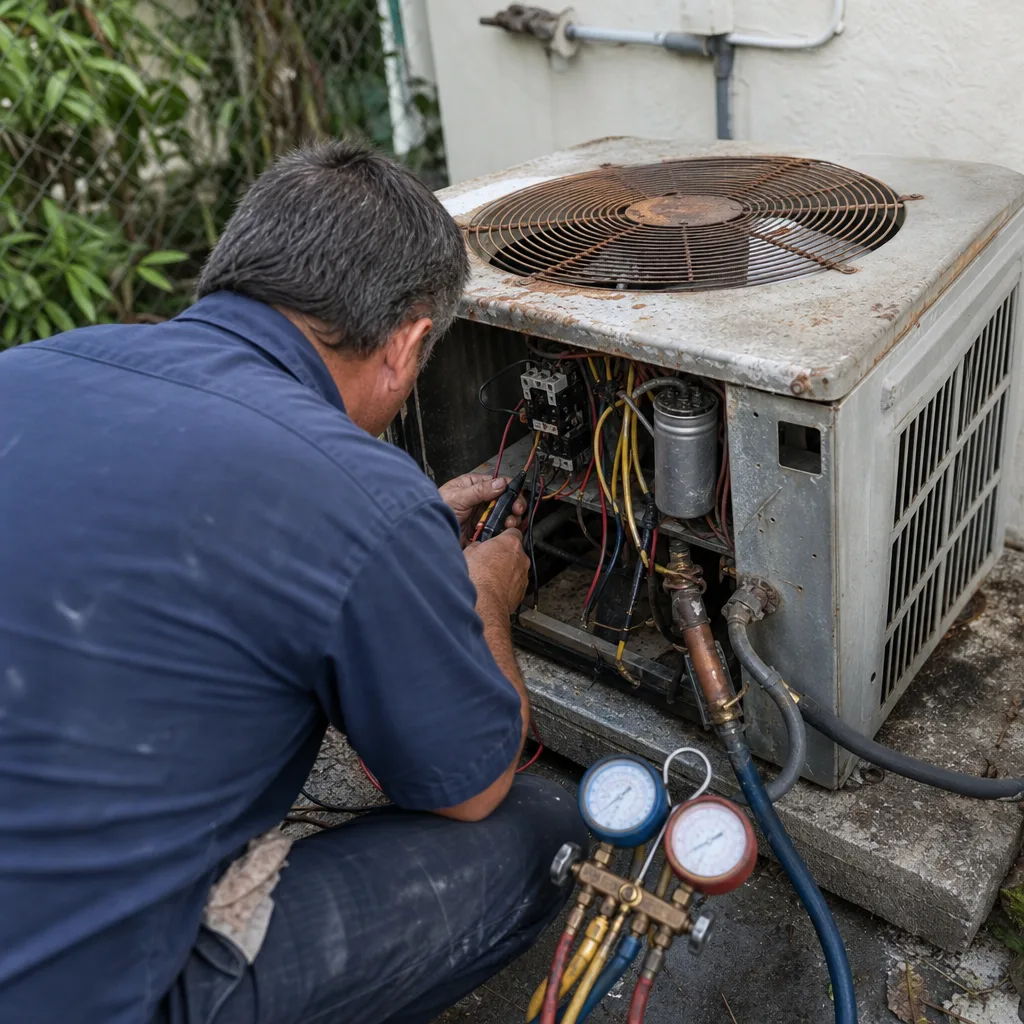 Before
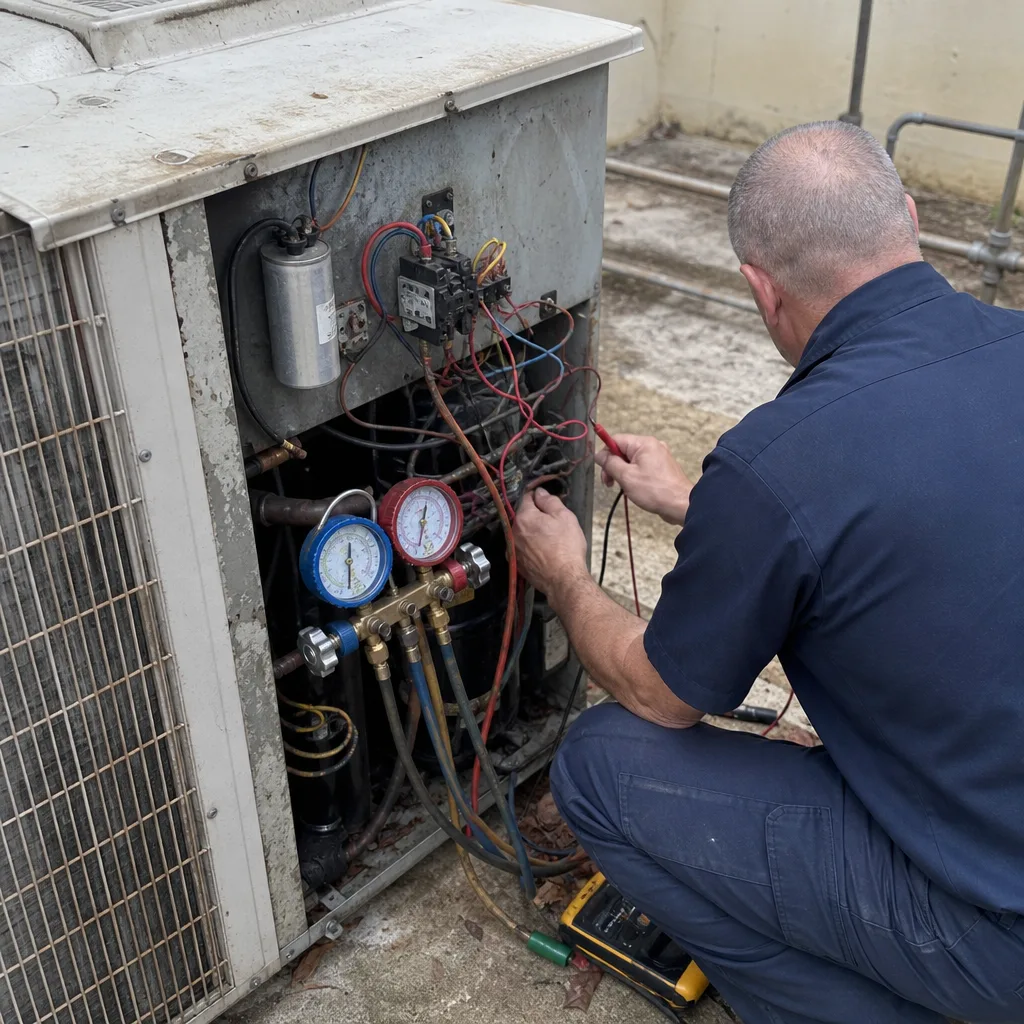
 After
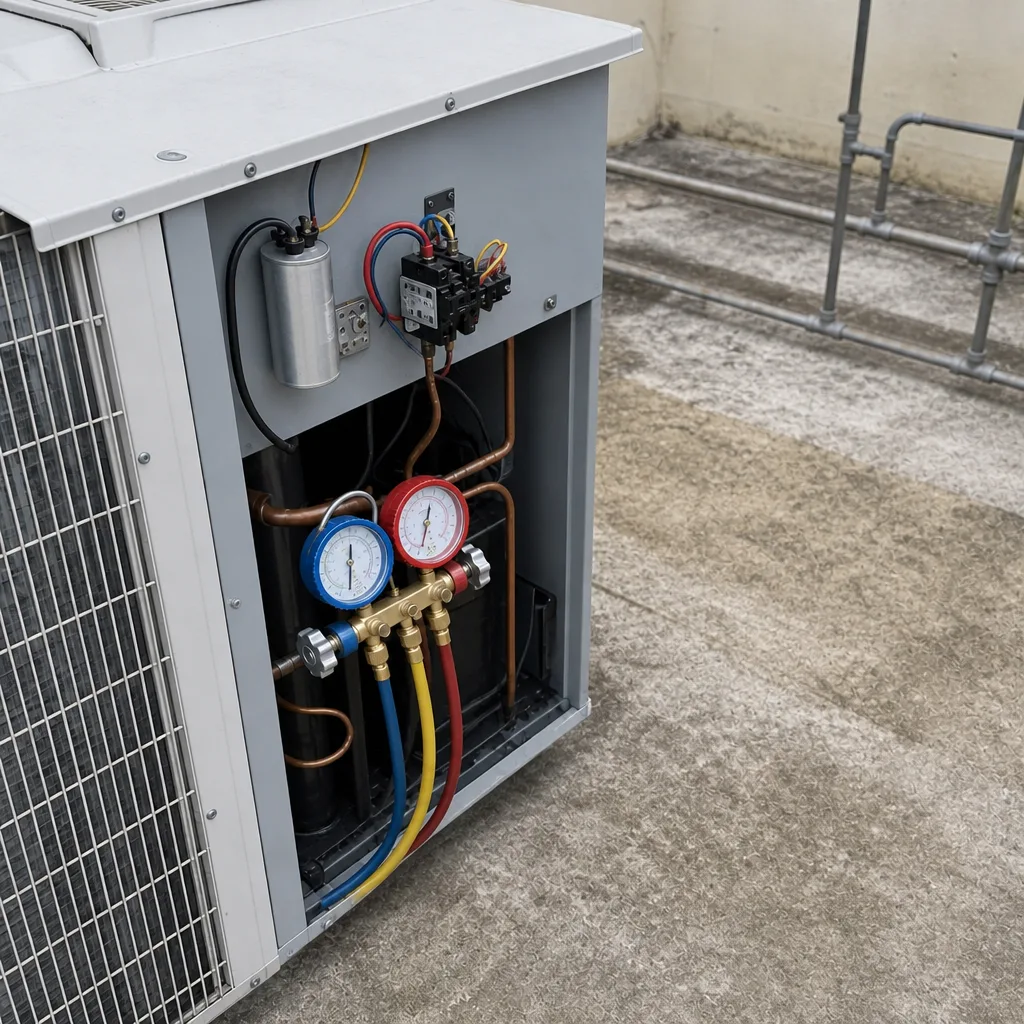
 Before
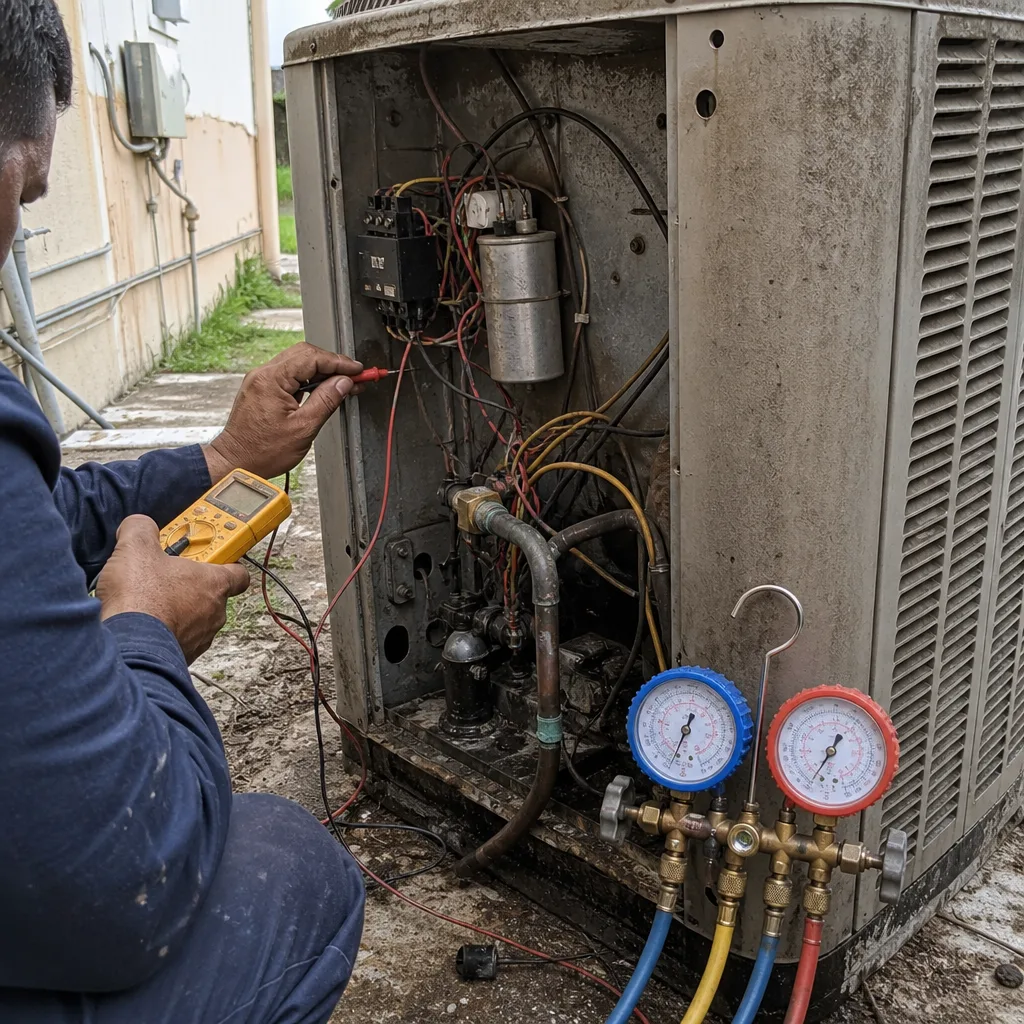
 After
 Before
 After
When to Call a Professional
Call a licensed technician immediately if you smell gas, hear hissing, see a breaker trip twice, notice ice on the coil that returns within a day of thawing, or see repeated error codes on the thermostat. Call the same day if the system runs but doesn’t cool, if you’ve replaced the filter and reset the float switch without result, or if short cycling has become routine. These are the situations where the symptom is doing double duty, and the real cause needs gauges, a meter, and a technician who can tell the difference between a five-dollar fix and a five-hundred-dollar one.
Bellmont AC Repair offers free estimates in Miami Gardens. Call (844) 560-6509. We answer 24/7, and fast dispatch from 7am to 7pm keeps the wait short. Our technicians have up to 11 years of experience, they’re trained on the system you already own, and they’ll give you a written estimate before any work begins.
Frequently Asked Questions
The outdoor fan running with warm indoor air usually means a refrigerant issue, a frozen coil, or a compressor that isn’t actually pumping. Check the indoor filter and look for ice on the copper lines first. If those are clear, call for a licensed diagnosis. Call (844) 560-6509 for an exact quote. Estimates are free.
Yes, in most cases. Find the float switch on the drain line, confirm there’s water in the pan, and follow the manufacturer’s reset procedure. Clear the visible clog before restarting. If the switch trips again within a couple of days, the drain line has a deeper clog or a pitch issue, and that’s a technician call.
Replace the filter first and see whether cooling returns. A dirty filter fixes in ten minutes. A refrigerant leak does not respond to a new filter and usually repeats within a day. If the system cools, then stops, then cools again after a filter change and freezes the next week, you’re likely looking at a leak. Refrigerant handling requires a licensed technician.
No. Each brand publishes its own code list, and codes can differ even between models within the same brand. The categories overlap (pressure lockout, airflow fault, ignition fault, communication error), but the exact numbers and meanings vary. Check your owner’s manual for the specific code. Our technicians are trained on nine major brands, including Carrier and Trane, so we can translate the code into a likely cause.
Every 60 to 90 days for a standard one-inch pleated filter. Because the system runs nearly daily here for most of the year, Miami Gardens homes often benefit from a 30-day check. Homes with pets or near construction should change closer to every 30 to 45 days. A clogged filter is the cheapest problem to prevent and one of the most expensive to ignore.
No. A scream usually means a compressor bearing or fan motor is failing. Running through it can turn a repairable motor into a full compressor replacement. Turn the system off at the thermostat and call. We answer 24/7, and a call outside dispatch hours is booked into the next opening, Sunday through Friday, 7am to 7pm.
The Bottom Line
Most AC problems in Miami Gardens fall into two clear categories. A small set (thermostat, filter, float switch, breaker) can be checked in ten minutes, and doing them in order saves you a diagnostic visit. A larger set (refrigerant leak, compressor fault, fan motor, ignition fault) needs a licensed technician immediately, and the sounds and error codes tell you which category you’re in. The float switch alone prevents countless unnecessary calls, and identifying it takes thirty seconds. If you’ve worked through the checks and the system still isn’t cooling, don’t keep guessing. Call Bellmont AC Repair at (844) 560-6509. Free estimates, written before work begins, and technicians trained on the system you already own.
Whether you’re weighing repair against replacement or just want someone who knows your equipment to look at it, our team works on the brand you have. Learn more about Bellmont AC Repair and how we handle diagnostics, and think of us as cooling specialists who also handle your furnace.
Written by the team at Bellmont AC Repair.