
Last updated November 14, 2026
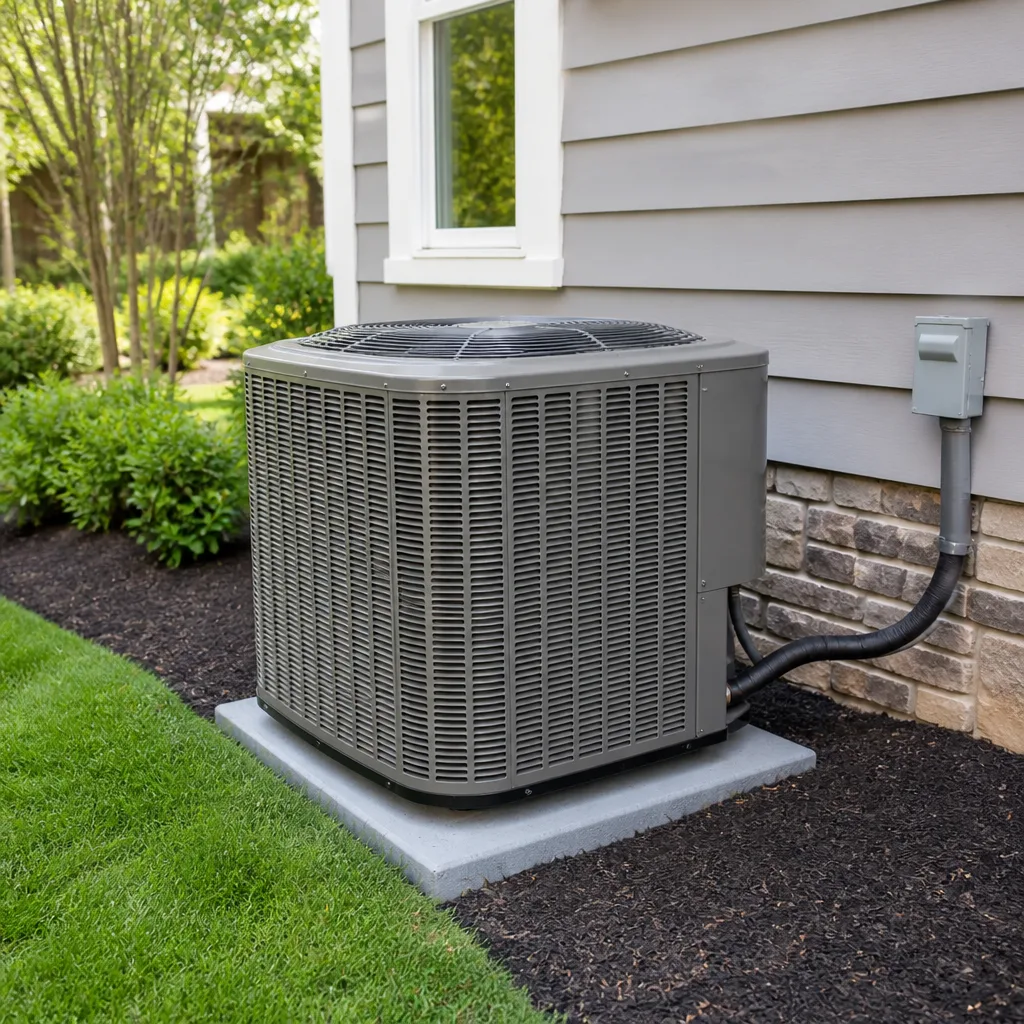 AC repair
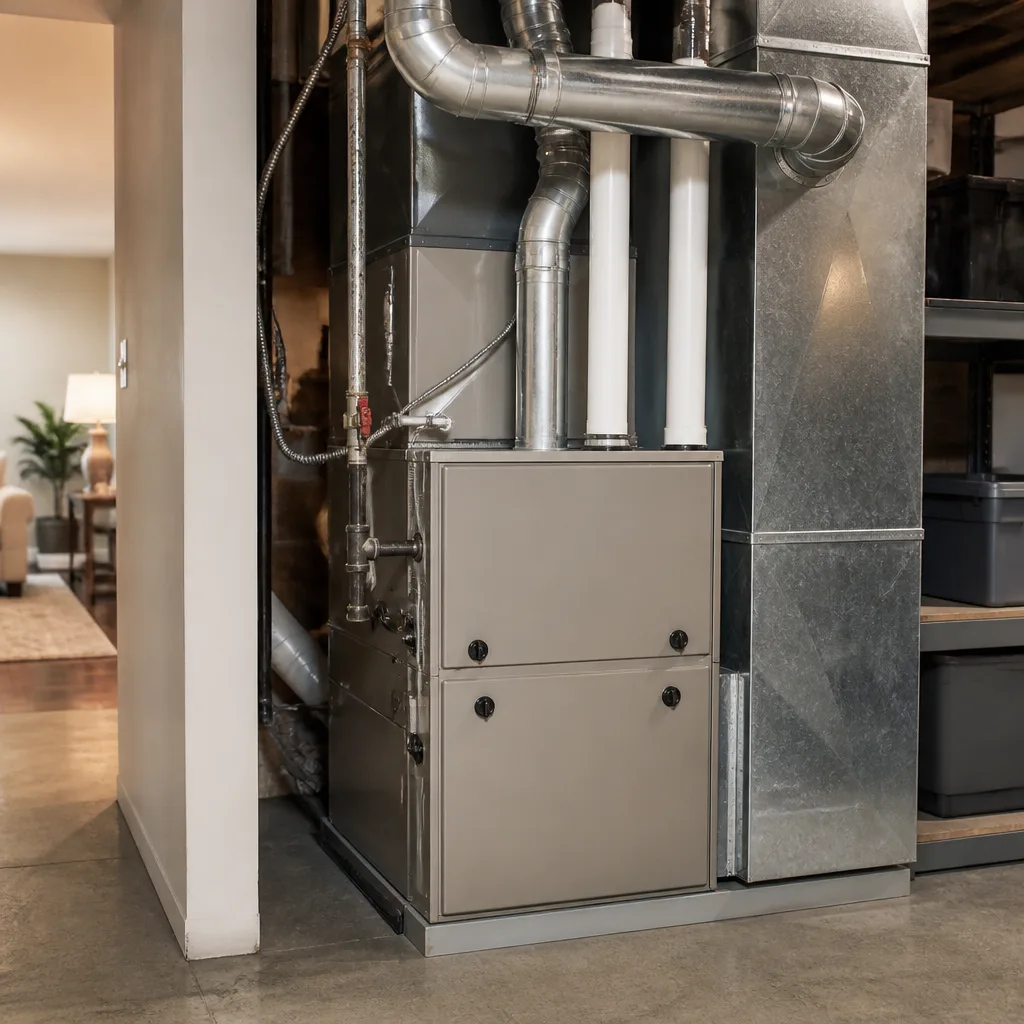 Furnace & heating
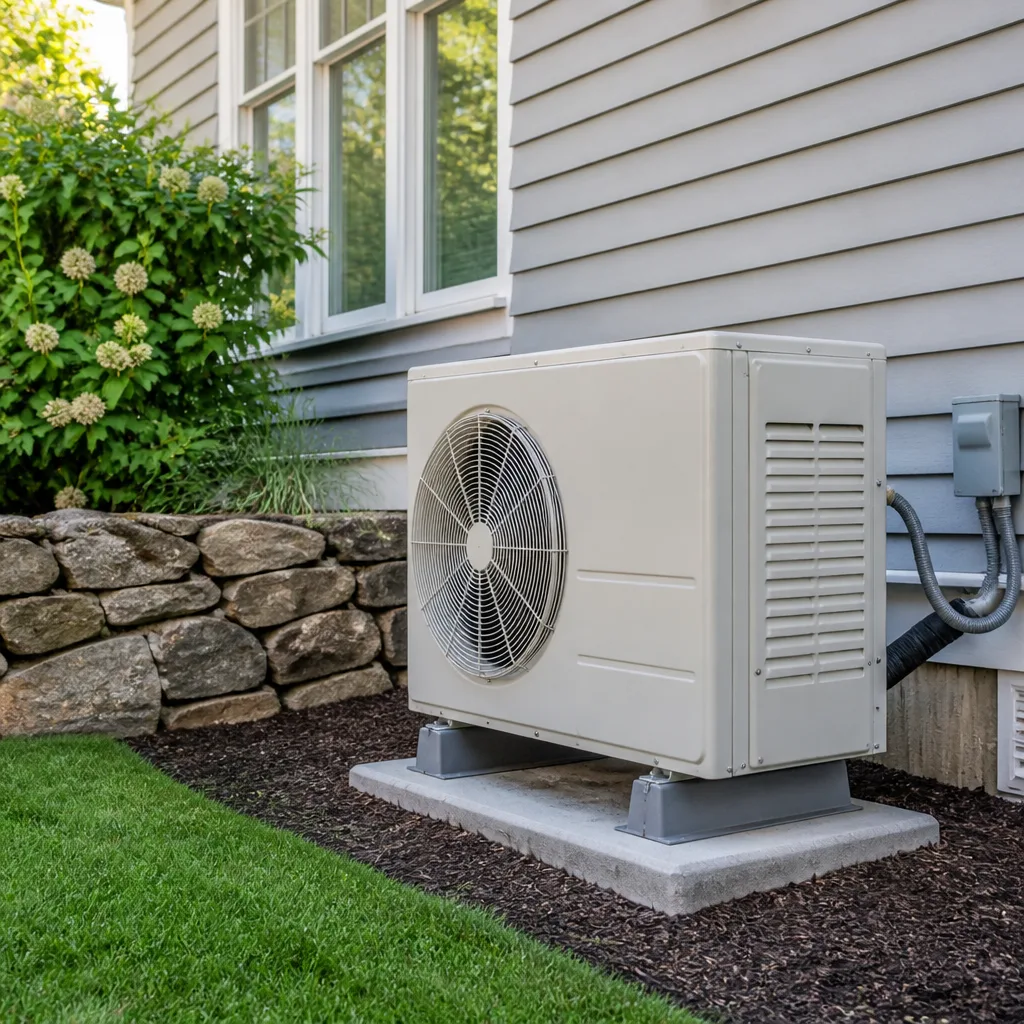 Heat pumps
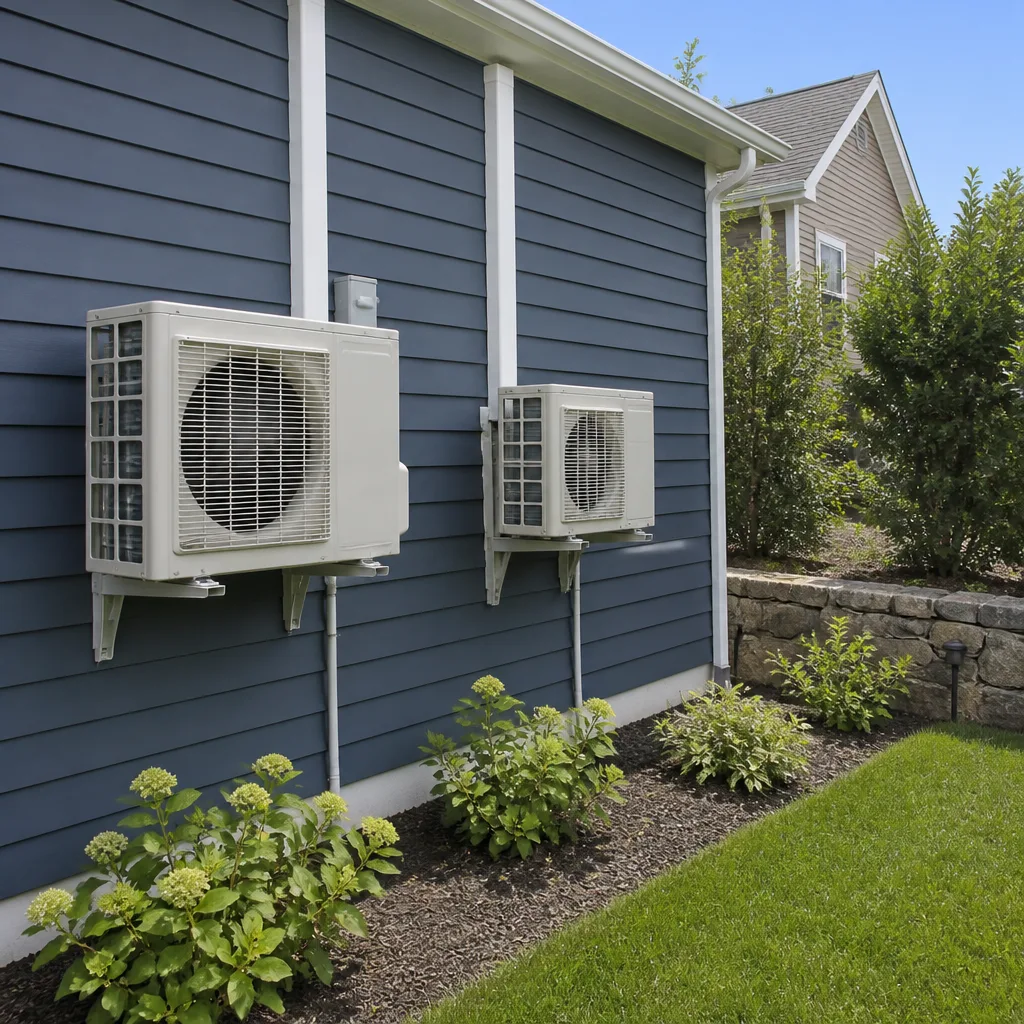 Ductless mini splits
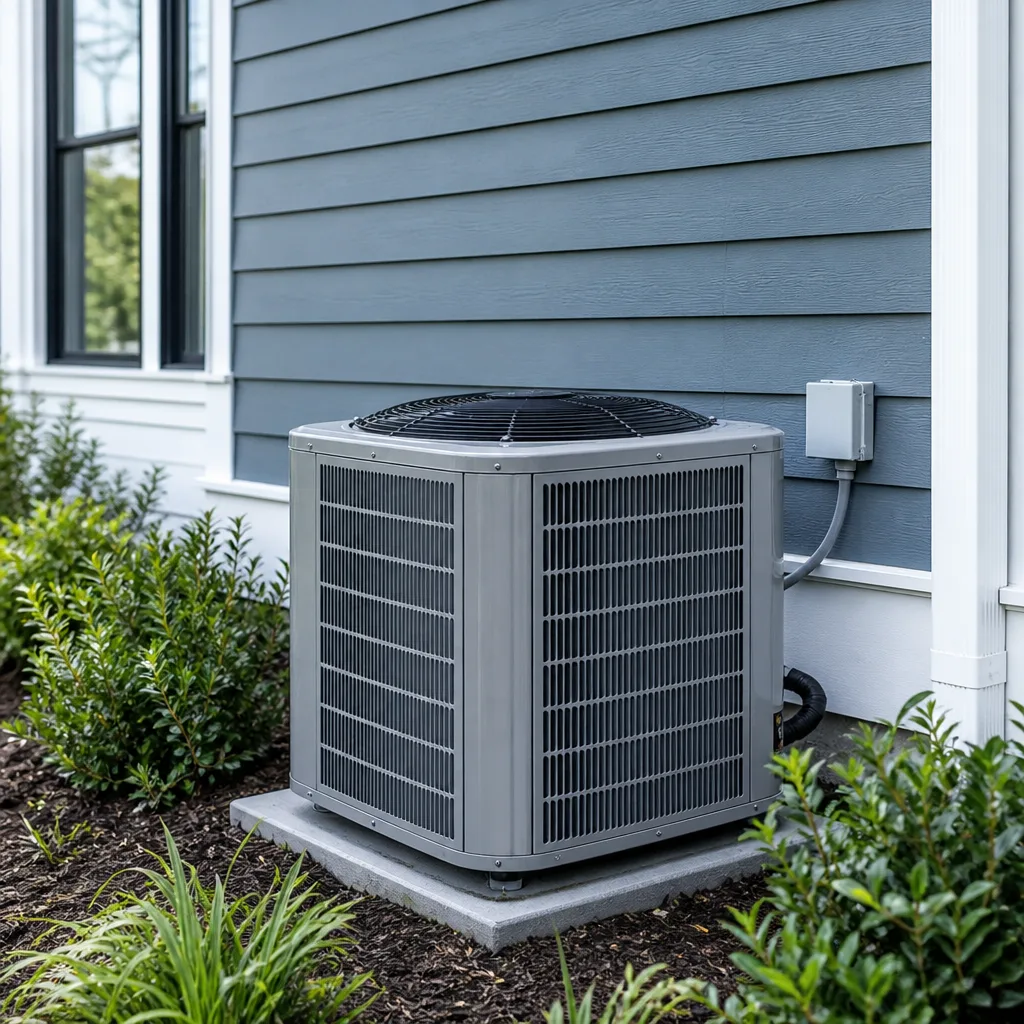 Carrier
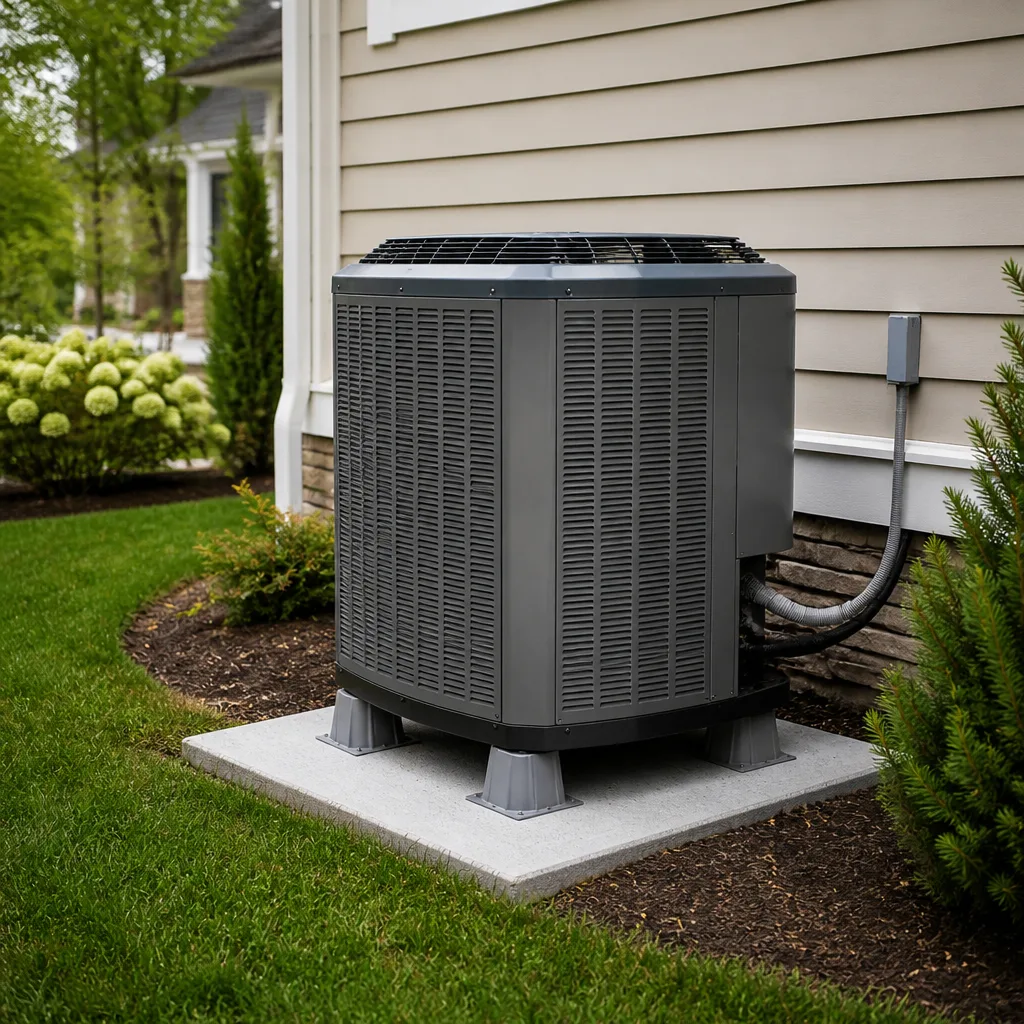 Trane
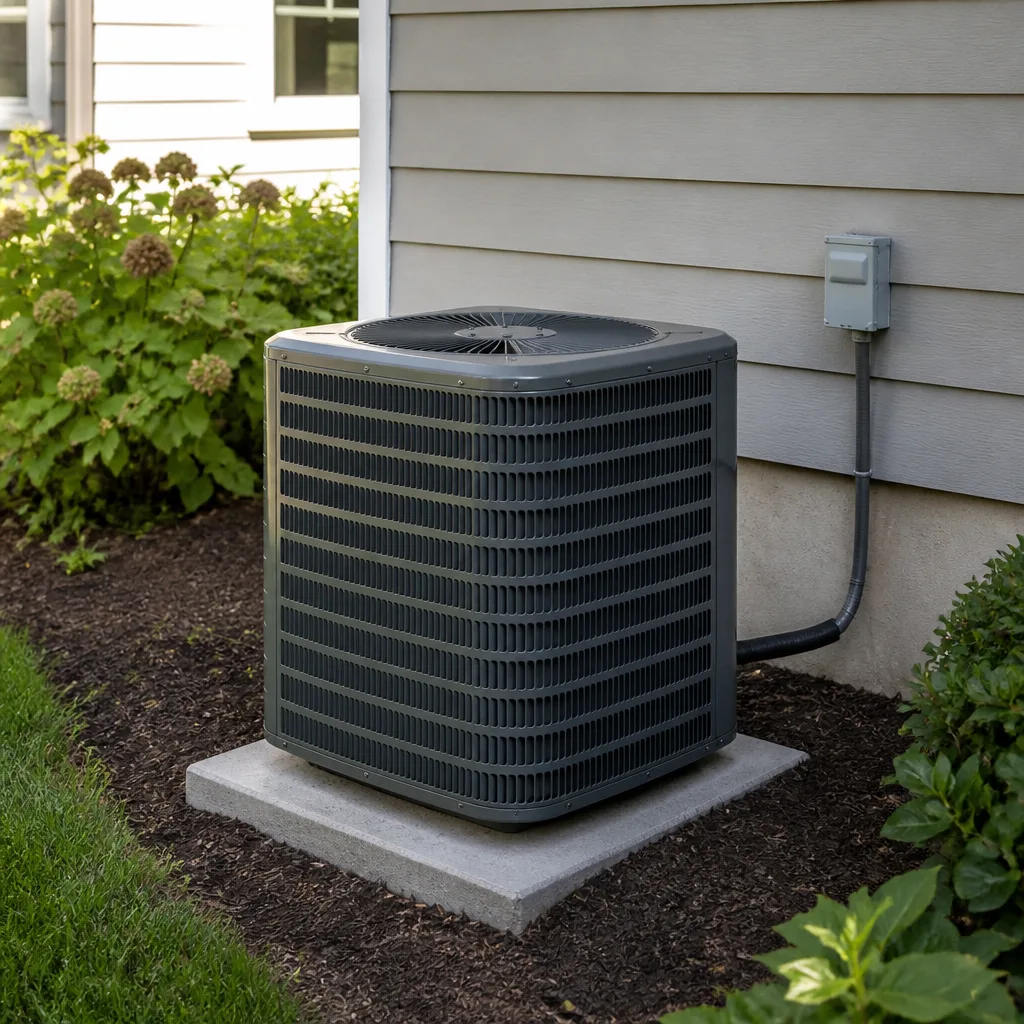 Goodman
Seasonal tune-up and full diagnostic on your Carrier, Trane, or Goodman system - readings shown to you before any repair is proposed
Diagnosis first, numbers second - you approve the repair price before a single part goes in.
Get your free estimateThe Complete AC Repair Guide for Miami Gardens Homeowners
Most AC repair guides are written for a climate with four seasons. Miami Gardens doesn’t have four seasons. It has one long cooling season with a few mild weeks tucked in. That difference matters more than most homeowners realize, because the parts that fail first on an air conditioner are the ones that simply run the most hours. A system here logs thousands of operating hours a year while the same equipment in a cooler city sits idle half the time. This guide explains what that runtime reality does to your system, which components wear out in what order, how to read the symptoms your unit is already showing you, and when a repair is genuinely worth the money. Mention Miami Gardens once, and we’ll say it plainly: this is written for the homes and neighborhoods right here.
Quick Answer
AC repair in Miami Gardens usually involves one of a short list of high-runtime parts: the capacitor, the contactor, the blower motor, or a coil that’s lost performance to humidity and corrosion. Because a system here runs nearly year-round, those parts wear faster than the same parts would in a milder climate. A good repair restores the unit you already own; a good technician tells you up front whether that repair buys you two or three years, or five or more.
Styles & brands we work with
- AC repair
- Furnace & heating
- Heat pumps
- Ductless mini splits
- Carrier
- Trane
- Goodman
Table of Contents
- Why runtime changes everything for Miami Gardens systems
- What wears out first, and in what order
- Reading your system’s behavior as a diagnostic signal
- The 2-3 year repair vs. the 5+ year repair
- The humidity and coil problem particular to Miami Gardens
- How to get an honest estimate so we’re comparing like for like
- Red flags in an AC repair estimate
- Your route back to cool air: what to expect from AC repair
Why runtime changes everything for Miami Gardens systems
The core idea in this guide is simple. Air conditioning is a mechanical system, and mechanical systems fail on accumulated hours, not on the calendar. A unit in a temperate city might run four months a year. A unit in Miami Gardens runs closer to ten or eleven. Same equipment, same refrigerant, same manufacturer, dramatically different wear. A Carrier or Trane unit that’s only a few summers old here can already be on its second capacitor while an identical unit in a cooler market hasn’t yet logged the hours that wear one out.
That shift changes nearly every judgment a homeowner makes about their system. It changes when a part is “due.” It changes how you read a noise or a slow cool-down. It changes whether a repair is worth doing and how long the fix will actually last. It also changes how a technician should approach a diagnosis. On a high-runtime system, we’re not asking “what’s broken today” so much as “what’s broken today, and what’s most likely to fail next, given how hard this unit works.”
Think about the neighborhoods. A home near the lake, a home off Northwest 27th Avenue, a home in a quieter stretch of Carol City or Andover – they all share the same load. The cooling demand doesn’t ease off in October the way it does up north. The system keeps running because the air keeps being warm and humid. That’s the reality this guide is built around, and it’s the reason a lot of advice you’d read elsewhere simply doesn’t fit here.
- Design for continuous load: parts that would last a decade of seasonal use can wear inside a few years of near-constant use.
- Humidity never takes a break: moisture handling is a year-round job here, not a summer job.
- Wear compounds: a part running slightly out of spec stresses the parts next to it, so small failures cascade.
What wears out first, and in what order
In our experience on high-runtime systems, failures tend to arrive in a fairly predictable sequence. Understanding that order helps you tell a routine repair from a warning sign. It’s not a rigid rule, but it’s a useful map.
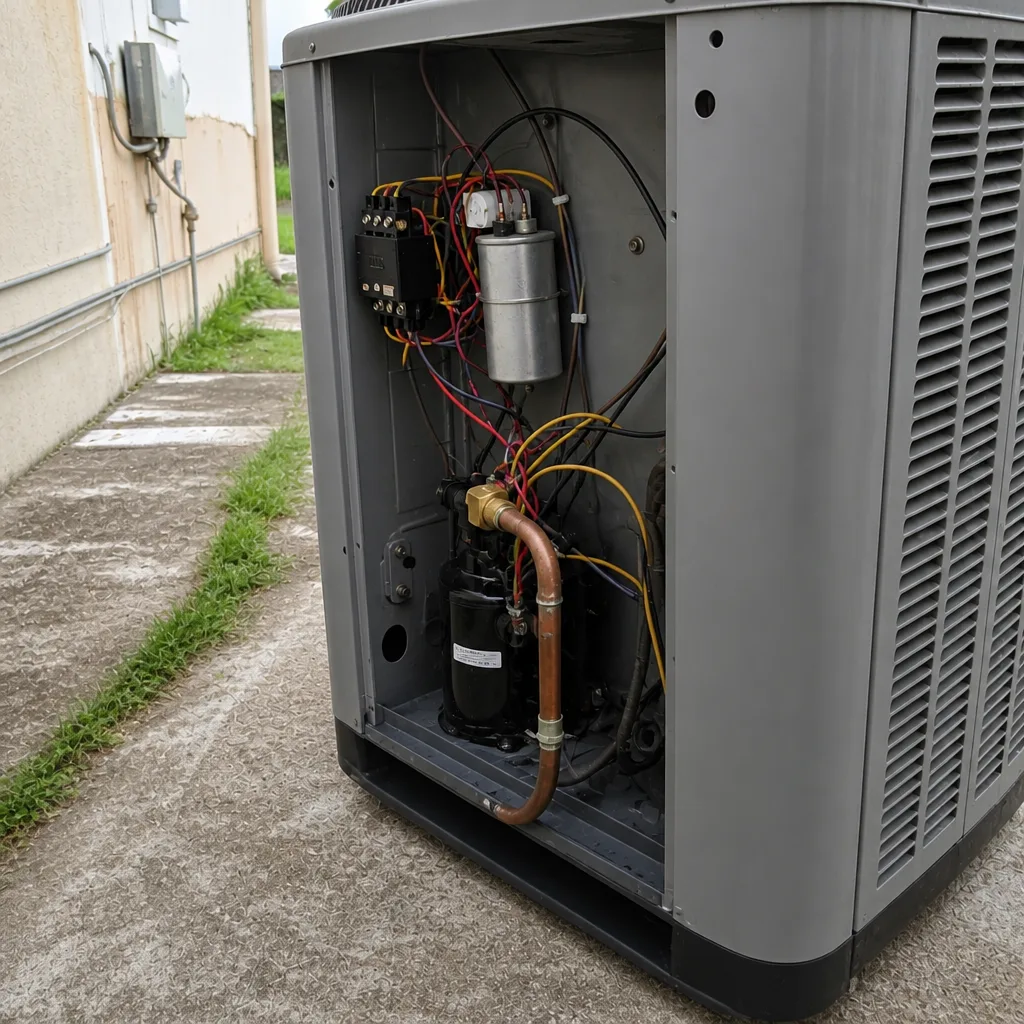
- The capacitor. This is the small component that gives the compressor and fan motor the jolt they need to start. It’s the most common failure on a hard-working unit, and it’s often the first thing to go. A weak capacitor makes the motor work harder to spin up, which is why a failing unit sometimes hums before it kicks on.
- The contactor. This is the switch that sends power to the outdoor unit. Constant on-off cycling pits and wears its contacts. When a contactor starts to fail, the system may run intermittently or refuse to start at all.
- The blower motor. The indoor fan pushes cooled air through your ducts. It runs almost every hour the system cools, so it racks up a huge amount of wear. A tired blower motor shows up as weak airflow long before it fails outright.
- The condenser fan motor. The outdoor fan that dumps heat. It spins in the open, takes the heat, and wears out on hours just like the blower.
- The coils. These aren’t a “wear out and stop” part so much as a performance part. They degrade gradually, and in a humid climate that degradation is accelerated.
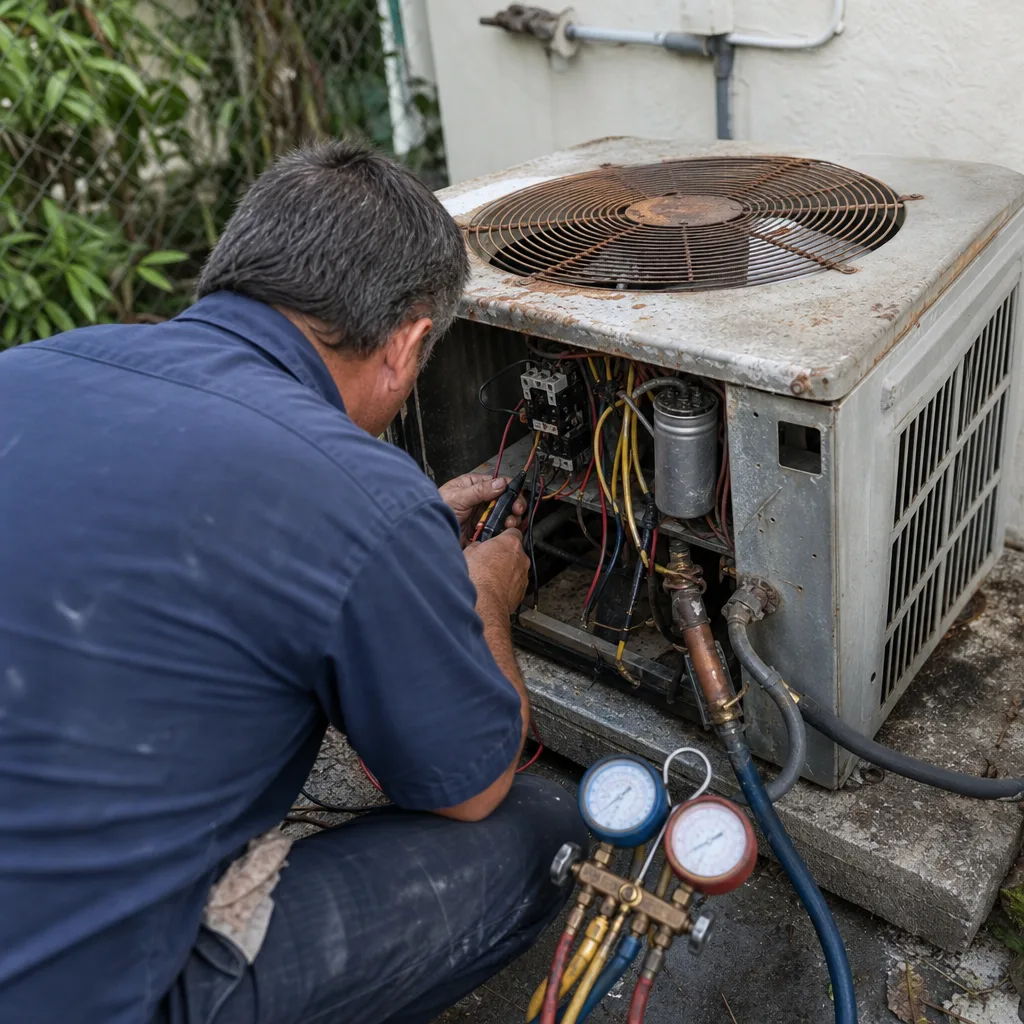
The practical takeaway: on a system running this much, if the capacitor has failed once, ask your technician to check the contactor and the blower motor while they’re there. Catching the next failure before it strands you costs far less than an emergency call on a hot afternoon. If you want a proper diagnosis rather than a guess, this is exactly the kind of assessment our AC repair work is built around.
Reading your system’s behavior as a diagnostic signal
Your air conditioner is telling you what’s wrong, if you know what the symptoms point to. Three behaviors come up again and again, and each points to a different root cause. Learning to distinguish them means you’ll describe the problem accurately when you call, and you won’t be talked into the wrong repair.
Short-cycling
The system turns on, runs for a short time, shuts off, and repeats. On a high-runtime system in Miami Gardens, this often traces to a failing capacitor, a contactor sending inconsistent power, or a system that’s slightly overcharged or undercharged with refrigerant. Short-cycling is hard on every component because the motor starts and stops repeatedly, so it’s worth diagnosing rather than ignoring.
Weak airflow
The air coming from the vents feels thin, and rooms take forever to cool. This usually points to the blower motor, a clogged filter, or a partially blocked or leaking duct. It’s rarely the compressor, which is good news, because blower and filter issues are far less expensive to fix.
Icing
You see frost or ice on the indoor coil or the refrigerant lines. Icing is a symptom, not a cause. It typically means low refrigerant from a leak, or restricted airflow that isn’t letting enough warm air cross the coil. Running the system while it’s iced up can damage the compressor, so this is a stop-and-call situation.
When you call, tell us which of these three you’re seeing. “It’s short-cycling” and “the airflow is weak” lead a technician down different diagnostic paths from the first minute. That’s part of why fast, clear diagnosis matters on every call. If you’re not sure which pattern you’re looking at, describe what you see and hear; a trained ear will sort it out.
The 2-3 year repair vs. the 5+ year repair
Two technicians can quote the same fix and mean two very different things. One repair buys you a couple of years; another buys you five or more. The difference usually comes down to whether the fix addresses the whole worn system or just the part that failed today. This is the single most important question to ask before you approve any repair.
Here’s how it works. A capacitor replaced in isolation on a system where the blower and contactor are also near the end of their life buys you time until the next part fails – maybe two or three years, maybe less. A repair that replaces the capacitor and proactively services the contactor, blower motor, and coils addresses the failure sequence as a whole and typically buys you more. Same unit, very different outcome.
When a technician hands you an estimate, ask directly: “How many years does this repair buy me?” A good technician will answer without flinching. If they can’t or won’t, that’s information too.
- Ask what’s been checked, not just what’s failed. A thorough diagnosis reviews the likely-fail parts, not only the broken one.
- Ask for the condition of the parts that are still working. If they’re near the end, plan for them rather than waiting for a surprise.
- Ask how the fix interacts with the rest of the system. A repair that stresses another component isn’t a bargain.
- Ask what the number actually represents. Is it a fix that restores performance, or a fix that just ends the immediate symptom?
We work on the system you have, which means our recommendation follows the condition of your equipment, not a preferred product line. If a repair honestly buys you five years, we’ll say so. If it only buys you two, we’ll say that too, and lay out what a replacement would cost against it. Repair or replace, the answer should follow the numbers.
The humidity and coil problem particular to Miami Gardens
Heat is only half of what your AC handles here. The other half is moisture, and moisture is what makes a Miami Gardens system different from a system anywhere drier. The indoor coil stays wet for most of the year because it’s constantly condensing water out of the air. That constant wetness is the root of a set of problems that don’t show up the same way in drier climates.
Over time, the combination of continuous moisture and normal airborne contaminants causes the coil fins to corrode and lose surface area. A corroded coil transfers heat poorly, so a unit that was sized for your home now struggles to cool it even though nothing has “failed” in a way you can hear. The drain pan and the condensate line get the same treatment. Algae and biological growth build up in the drain line, and a clogged line backs water up into the pan and eventually into the house. It’s one of the most common calls we get, and it has nothing to do with refrigerant at all.
This is where AC installation and replacement decisions get interesting. On a system running near-constant hours in high humidity, coil condition has a bigger effect on performance and efficiency than it might elsewhere. A homeowner weighing a repair against a replacement should look at the coil’s actual condition, not just the compressor’s. That’s a case where the age of the system tells you less than the physical state of the parts.
Regular attention to airflow and the drain line goes a long way. Change the filter on schedule, keep the drain flowing clear, and have the coil checked when the system underperforms for no obvious reason. If your home in Andover or Carol City is cooling fine but your electric bill has crept up, a dirty or corroded coil is a strong suspect.
How to get an honest estimate so we’re comparing like for like
Getting a fair estimate is less about the number at the bottom and more about what’s included in it. Two quotes for “AC repair” can cover wildly different work. Here’s how to read one properly.
- Get the diagnosis in writing. The estimate should name the part or parts that failed and explain why. A quote that just says “AC repair, one price” tells you nothing.
- Ask what was inspected. Was the rest of the worn system checked, or just the failed part? On a high-runtime unit, knowing the condition of the neighboring parts changes the value of the repair.
- Get the years-bought answer. Ask directly how long this fix is expected to last on a system running as much as this one.
- Ask how the system will be tested afterward. A proper repair ends with the system verified to cool correctly, not just “it’s running now.”
- Compare repair cost against replacement honestly. A repair estimate that’s a large fraction of a replacement on an aging system deserves a hard look at both options side by side.
Trained on nine major brands – we work on Carrier, Trane, American Standard and the rest – we can source the right part for the equipment you own and give you a quote that means something. That helps avoid the “we’ll have to order that” stall in the middle of a hot week. Nine brands, one call, and the price is set per job by a free written estimate.
Red flags in an AC repair estimate
Some estimates deserve a second look. Not every one, and not because a high number is automatically wrong. But certain patterns should make you slow down and ask questions.
- A repair priced close to a large share of a full replacement on an aging system. If you’re paying deep into the cost of a new unit to fix an old one, price the replacement before you commit.
- A diagnosis with no explanation. “It needs a part” without the name and reason is a quote, not a diagnosis.
- Pressure to replace when a repair would work. A technician who won’t even discuss repair on a unit that’s clearly repairable is selling, not advising.
- A quote for one part with no mention of the others. On a hard-running system, failing to check the failure sequence means you may be back for the next part soon.
- A number that changes between the verbal estimate and the written one. The written estimate sets the price. If those two don’t match, ask why.
The specific dollar threshold depends on your system’s age and the replacement cost of a comparable unit. As a rough principle: the closer a single repair gets to a meaningful share of what a replacement would cost, the more the replacement math deserves a look. The right move is to get both numbers in writing and decide with both in front of you. That’s how we approach every estimate, and it’s how you should read one.
Your route back to cool air: what to expect from AC repair
Here’s the step-by-step, so no one is guessing about what happens once you call.
- You describe the symptom. Short-cycling, weak airflow, icing, a strange noise, or no cooling at all. This helps us prepare.
- We diagnose the actual failure. On a high-runtime Miami Gardens system, that means checking the failure sequence, not just the obvious broken part.
- You get a clear explanation and a written estimate. Part names, reasons, and the years-bought answer. No pressure to replace what can be repaired.
- The repair is made with the right part for your brand. Carrier, Trane, Lennox, Goodman, Rheem, York, Daikin, Bryant or American Standard – we’re trained on all nine.
- The system is tested to confirm it cools. The job ends when it’s working, not when the part is bolted in.
We’re a cooling specialist first, and we handle furnace repair too, so the same company that fixes your AC in the long cooling season takes care of your heating when the few cool weeks arrive. Fast diagnosis, clear options, and no pressure – those are the framing for every call. If you want a specialist who works on the system you have, our Bellmont AC Repair team is set up exactly for that. We serve homes across Miami Gardens and the neighborhoods around it.
Common Mistakes to Avoid
- Treating part failures as isolated events. On a system running this hard, the capacitor that just failed is telling you the neighbors are tired too. Have the rest of the worn system checked before you’re stranded again.
- Ignoring weak airflow because the house “still cools eventually.” Weak airflow usually means a struggling blower or a clogged filter, and letting it run stresses the system. Fix the cause, not the wait.
- Running the AC while it’s iced over. Ice on the coil is a stop-and-call situation. Running through it can damage the compressor, which is the most expensive part to replace.
- Skipping the filter because the cooling “still works.” A clogged filter is the cheapest problem to prevent and a common trigger for weak airflow and icing. Check it on a regular schedule, not when things go wrong.
- Forgetting the condensate drain in a dry-season mindset. In this humidity the drain runs year-round and clogs from growth. A backed-up line causes water damage that has nothing to do with cooling performance.
- Choosing the cheapest quote without reading what it covers. Two “AC repair” quotes can be for different work. Compare the diagnosis, the parts, and the years-bought answer, not just the total.
- Waiting for a part failure to think about replacement. Know roughly what a replacement would cost before you’re forced to decide on a hot afternoon with no cooling at all. That gives you room to make a calm choice.
See the difference
 Before
 After
 Before
 After
 Before
 After
When to Call a Professional
Some problems are worth a call the moment you notice them. If the system is short-cycling, if the airflow has dropped and a fresh filter didn’t fix it, or if you see ice on the coil or lines, that’s a call. If the unit hums but won’t start, or the outdoor unit won’t come on at all, that’s a call. Water pooling near the indoor unit usually means a clogged drain line and should be handled before it reaches the floor or wall. Any burning smell or repeated breaker trips should stop you immediately – that’s a trained technician’s job, not a “wait and see.” Our technicians have up to 11 years of experience diagnosing these exact high-runtime systems. Bellmont AC Repair offers free estimates in Miami Gardens – call (844) 560-6509. We answer 24/7. Fast dispatch from 7am to 7pm, Sunday through Friday, and we’re closed Saturday. A call outside dispatch hours is booked into the next opening.
Frequently Asked Questions
Most AC repairs in Miami Gardens fall into a modest range because the most common failures – capacitors, contactors, blower motors, and drain issues – are parts-and-labor jobs rather than major component work. The exact price depends on the part and the system, and it’s set per job by a free written estimate. Call (844) 560-6509 for an exact quote – estimates are free.
Same-day repair is often possible when the failure is one of the common high-runtime parts and the system is accessible. We answer 24/7, and fast dispatch runs from 7am to 7pm, Sunday through Friday. If the fix needs a part ordered for your specific brand, we’ll tell you up front rather than leave you guessing. Call (844) 560-6509 to book a free estimate.
The honest answer follows the numbers: the condition of the parts, how many years the repair buys, and the replacement cost. On a system running near-constant hours, a repair that buys five or more years is usually the better move; one that buys only two or three on equipment already near the end warrants pricing a replacement. We’ll show you both in writing. Call (844) 560-6509 for a free estimate.
Icing is almost always low refrigerant from a leak or restricted airflow, not a weather problem. The system needs a diagnosis to find which, because the fix is very different. It’s a stop-and-call situation either way: running a frozen coil can damage the compressor. Call (844) 560-6509 to get it looked at.
More often than the box suggests, because your system runs year-round and pushes a lot of air. In our experience, high-runtime systems here benefit from a filter check on a regular schedule rather than a “seasonal” one. A clean filter protects airflow and helps prevent icing and blower strain. If you’re unsure what your system wants, ask during a visit – call (844) 560-6509.
We’re certified to work on nine of the industry’s leading brands – Carrier, Trane, Lennox, Goodman, Rheem, York, Daikin, Bryant and American Standard – so we diagnose the system you have rather than the one that’s easiest to service. That coverage lets us source parts and quote accurately across all nine. Call (844) 560-6509 for a free estimate on your system.
The Bottom Line
A Miami Gardens air conditioner lives a harder life than the same unit in a cooler city, because it runs nearly year-round and handles constant humidity. That’s why failures on a hard-working system arrive in a predictable order – capacitor, contactor, blower, coil – and why treating a single part failure in isolation often just delays the next one. Read your system’s symptoms as signals, not noise: short-cycling, weak airflow, and icing each point somewhere specific, and each is worth a call when it shows up. Ask every technician the years-bought question, compare repair honestly against replacement, and watch for estimates that don’t explain themselves. Repair or replace, the right answer follows the numbers, and the numbers are easier to work with before you’re stuck in a hot house. We work on the system you have, across nine major brands, with a free written estimate setting the price per job.
Call (844) 560-6509 for a free estimate. We answer 24/7. Fast dispatch from 7am to 7pm, Sunday through Friday, closed Saturday. A call outside dispatch hours is booked into the next opening.
Written by the team at Bellmont AC Repair.