
Last updated November 14, 2026
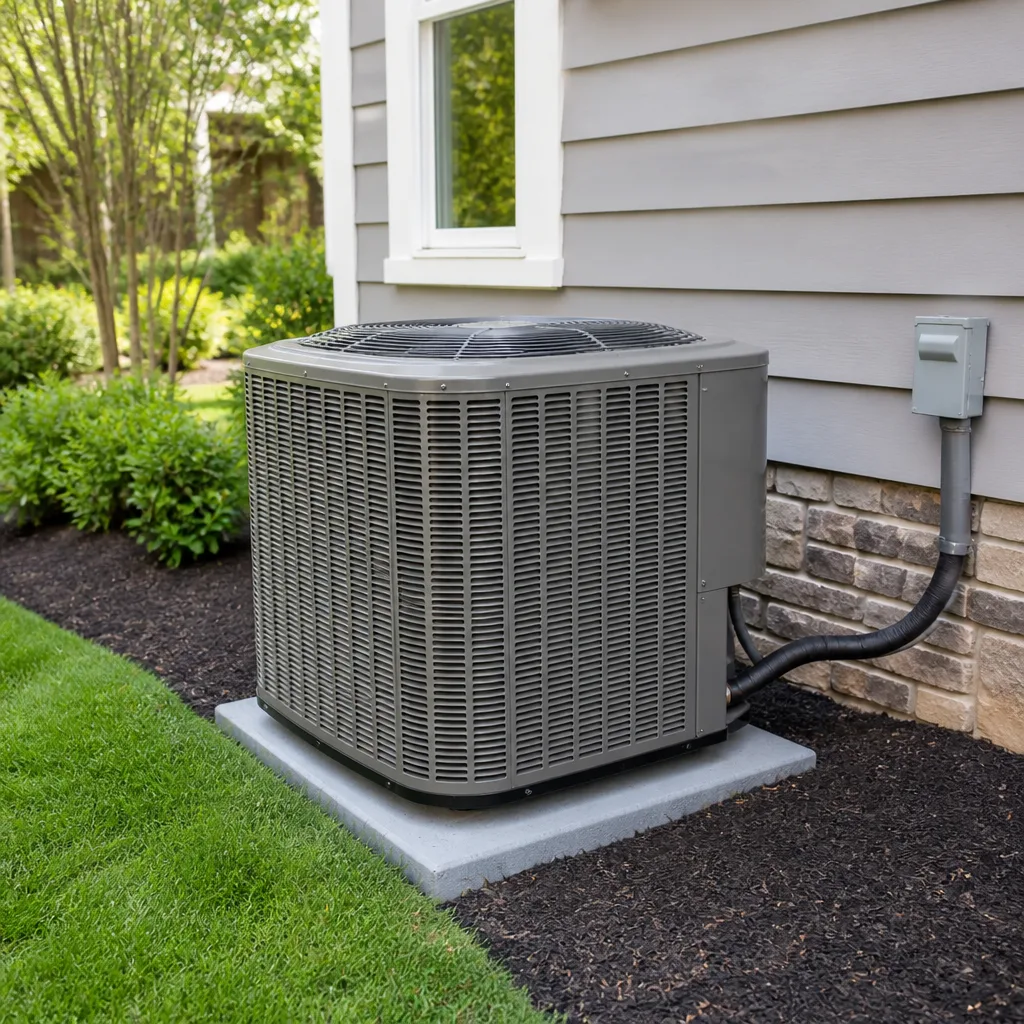 AC repair
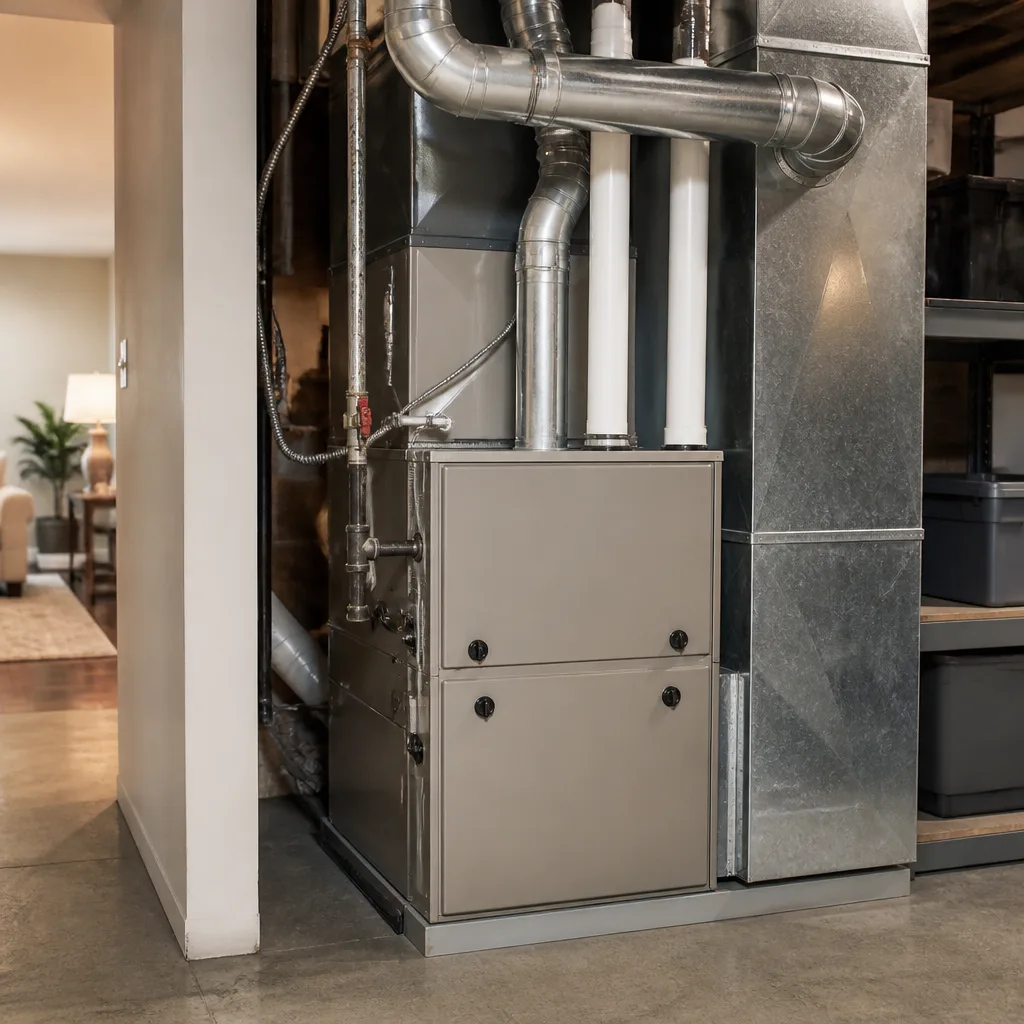 Furnace & heating
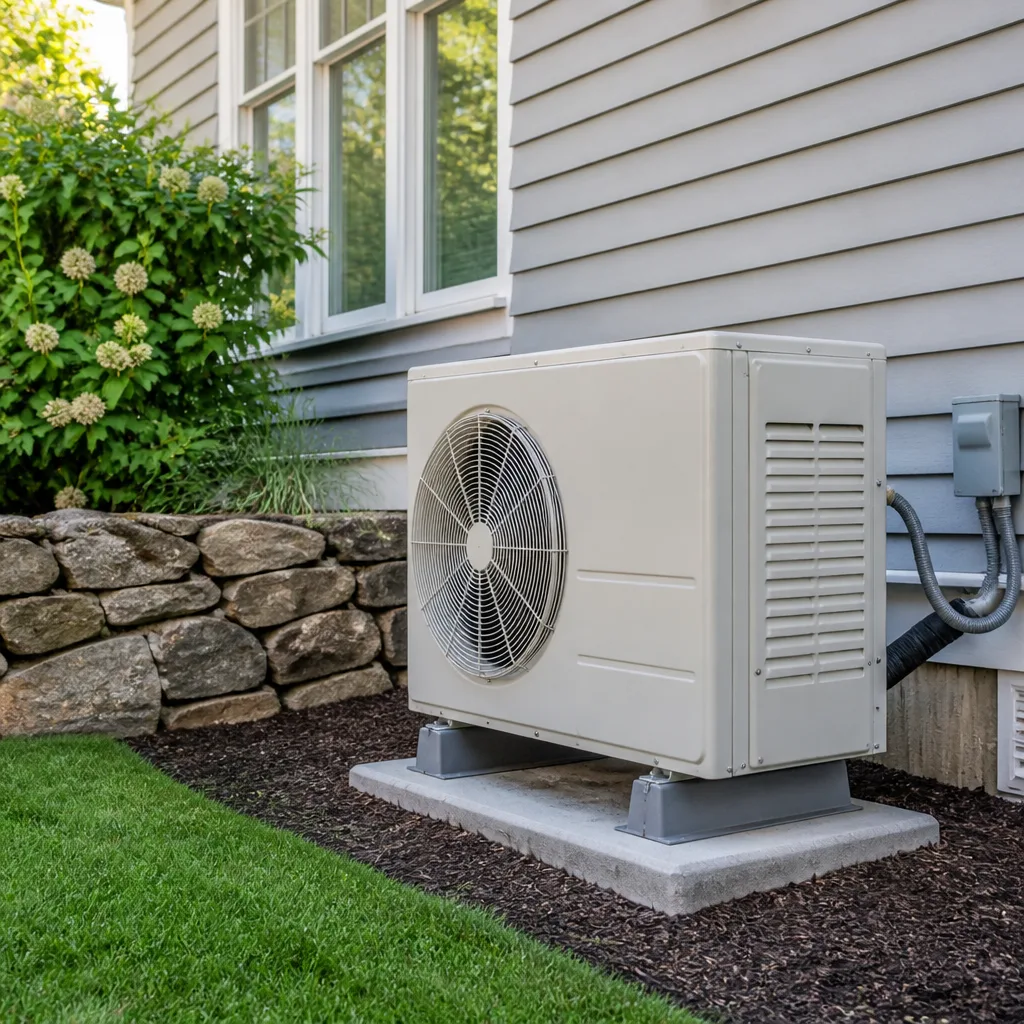 Heat pumps
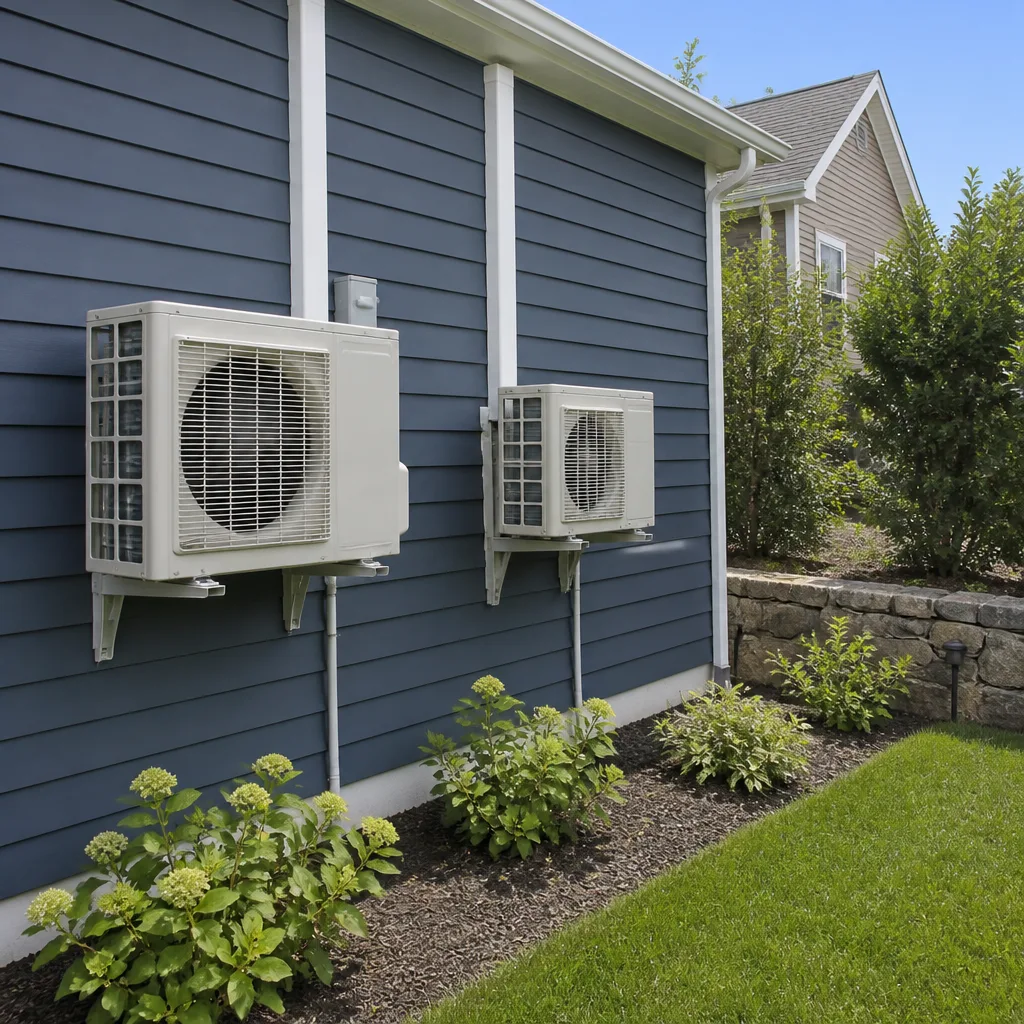 Ductless mini splits
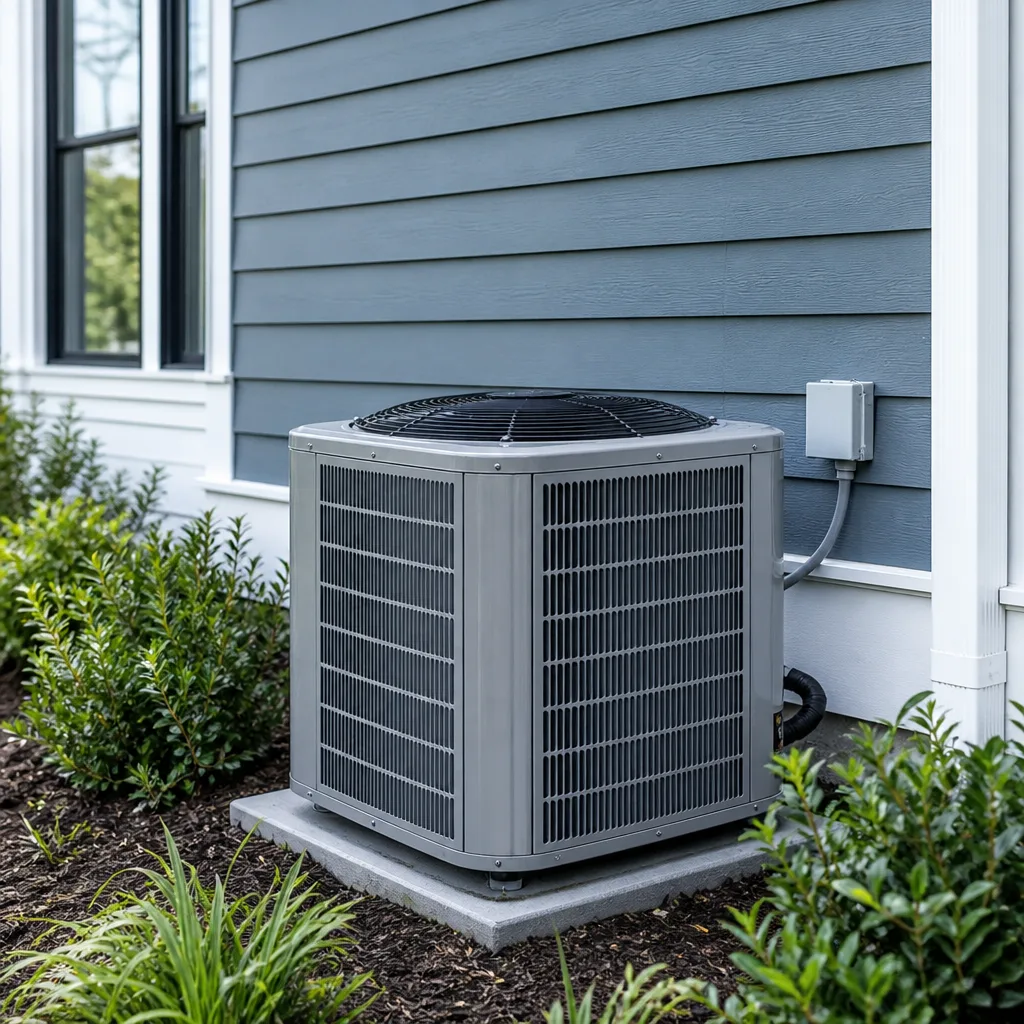 Carrier
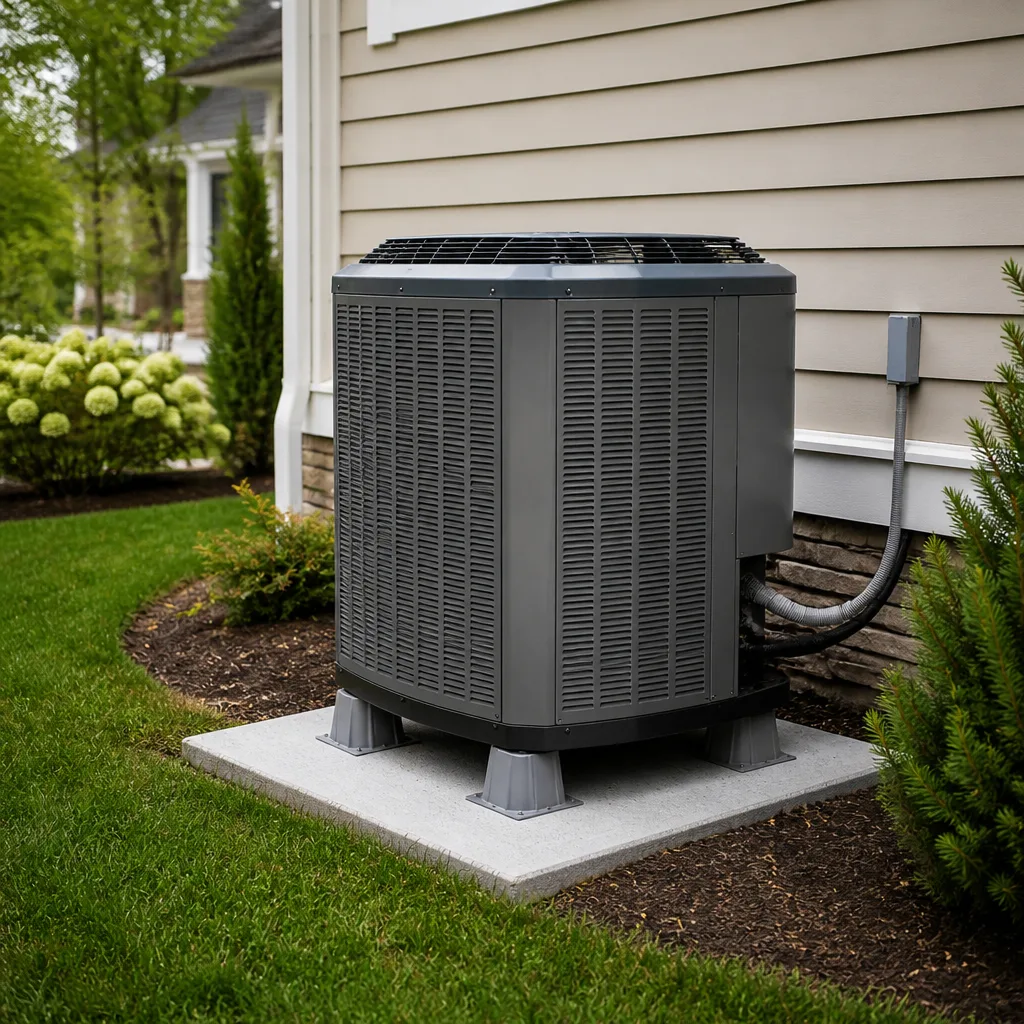 Trane
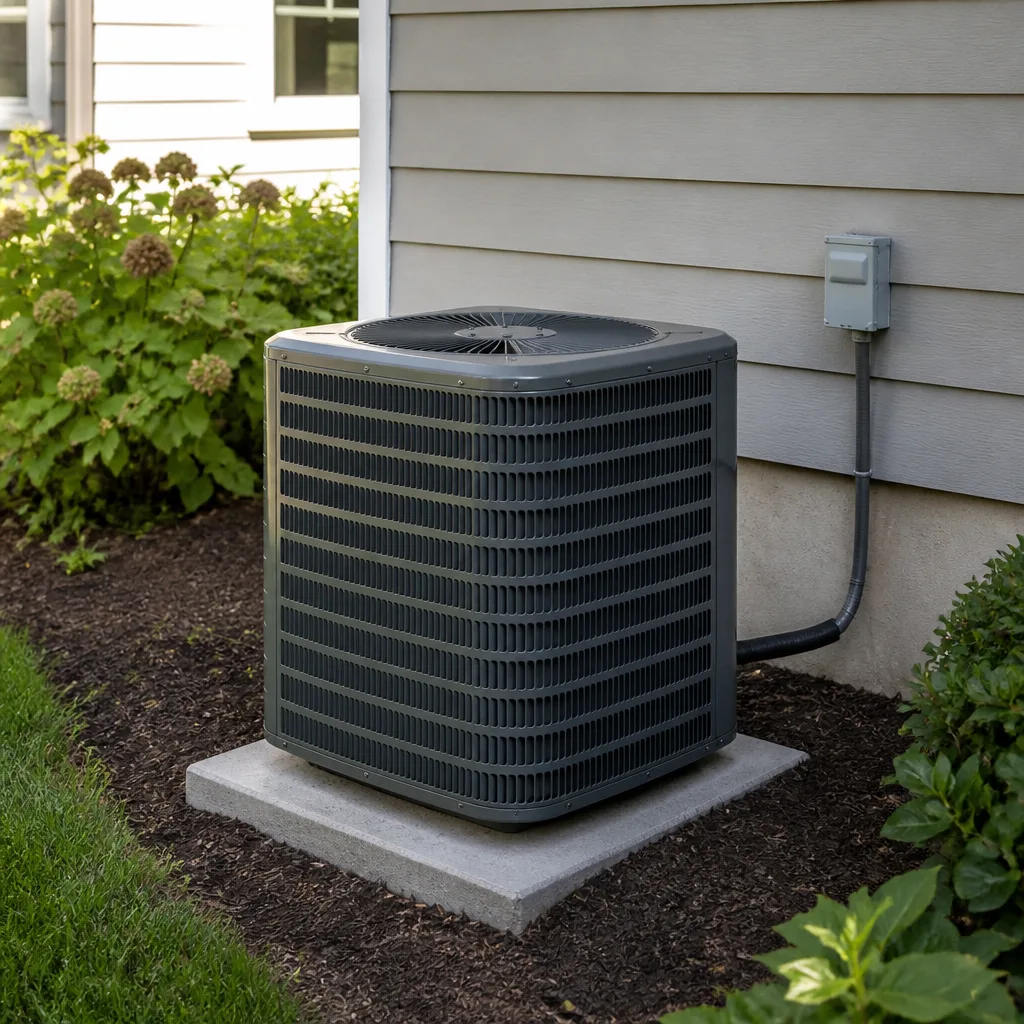 Goodman
Seasonal tune-up and full diagnostic on your Carrier, Trane, or Goodman system - readings shown to you before any repair is proposed
Diagnosis first, numbers second - you approve the repair price before a single part goes in.
Get your free estimateSeasonal HVAC Care for Miami Gardens: Year-Round Homeowner’s Guide
Here’s a truth most homeowners get backwards: the quietest month on the HVAC calendar, February, is the most valuable one to use. The system that ran hard through the summer and the rainy season has finally stopped and you can hear it again. Parts that wore thin sit there waiting to fail. And by April, every technician across South Florida is booked, which means the homeowner who planned ahead is the one who gets the appointment they want. In this guide we’ll walk you through a quarter-by-quarter care calendar built around Miami Gardens weather, not a national template, so you can stop chasing emergency calls and start staying ahead of them.
Quick Answer
Year-round HVAC care in Miami Gardens means treating the year as three pressure periods rather than four seasons: pre-hurricane prep (roughly spring), peak cooling and rainy season (June through September), and the mild window (roughly December through March) that is the best time to schedule maintenance, replace worn parts, and address anything that surfaced over the summer. Book your major service in February or March. Check filters and outdoor unit security going into hurricane season. Keep an eye on indoor humidity when the rain arrives. And get a post-summer inspection before the next cycle starts.
Styles & brands we work with
- AC repair
- Furnace & heating
- Heat pumps
- Ductless mini splits
- Carrier
- Trane
- Goodman
Table of Contents
- Why Miami Gardens HVAC Care Isn’t About Four Seasons
- Quarter-by-Quarter Action Calendar
- The February – March Window: Your Highest-Value Booking
- Pre-Hurricane Season HVAC Checklist
- Managing Rainy Season Humidity: June Through September
- The Post-Summer Inspection: What Ran Hard All Year Needs Checked
- Thermostat Strategy and Filter Rhythm for Tampa Weather
- Repair or Replace: Reading the Signs
Why Miami Gardens HVAC Care Isn’t About Four Seasons
Most homeowner maintenance guides are written for a climate that actually gets cold. They talk about winterizing, spring tune-ups, fall shutdowns, and a rest period where the equipment sits idle. Miami Gardens doesn’t work that way. Our cooling load runs almost continuously, and our heating load is nearly nonexistent. A system that would get a six-month break in a northern state here gets a few mild weeks, if that.
That constant run changes what maintenance actually means. A national seasonal template tells you to schedule a spring tune-up and call it a year. For Miami Gardens, that schedule misses the point. Here’s what actually pressures a system through the calendar:
- The shoulder period (roughly December through March): Mild weather, lower cooling demand, and the clearest window to schedule non-urgent work. The system is under the least strain and technicians have the most open slots.
- Pre-hurricane prep (roughly April through May): The last calm stretch before the rainy season and the Atlantic storm window overlap. Outdoor units need securing, surge protection deserves a look, and drainage paths need clearing.
- Peak cooling and rainy season (roughly June through September): Maximum cooling demand meets maximum humidity. Indoor humidity creeps up, filters load up faster, and the system runs its hardest stretch of the year.
- The stop-and-check (roughly October through November): Demand eases. This is the best time to inspect what five months of hard running left behind, before it becomes a February or April problem.
The takeaway is simple. In this climate, maintenance isn’t one annual event. It’s a rhythm of four checkpoints, each shaped by what the weather is actually doing. For a broader picture of our heating and cooling work in this part of South Florida, see Miami Gardens. Keeping track of these checkpoints is how our customers avoid mid-August emergencies. Keeping track in advance is how they make the appointment they want instead of the one that’s left.
Quarter-by-Quarter Action Calendar
Here’s the full year, broken into four blocks. Each one has a simple, doable set of actions. You don’t need to do all of it yourself. The point is knowing what to schedule and when to schedule it, so you’re not calling a technician in a panic.
Quarter 1 (January – March): The Window
- Replace the air filter if you’re past the recommended interval. Start the year clean.
- Schedule the annual maintenance visit in February or March, before the booking rush.
- Note anything that seemed off last summer, then address it now: weak cooling in one room, odd noises, short cycling.
- Check the condensate drain line for clogs and give the outdoor unit a quick visual once-over.
- If the system is aging, get a straight repair-or-replace conversation while you have leverage and time.
Quarter 2 (April – May): Hurricane Prep
- Clear debris and vegetation from around the outdoor unit; don’t stack anything against it.
- Confirm the outdoor unit is securely fastened and its pad isn’t loose.
- Check that nearby branches aren’t positioned to become storm projectiles.
- Ask about surge protection for the outdoor unit, since storm-related electrical events can take out a compressor.
- Trim back anything overhanging the unit and make sure the drain lines can handle heavy rain runoff.
Quarter 3 (June – September): Rainy Season Watch
- Shorten your filter replacement interval because humidity and indoor debris load filters faster.
- Watch for condensation on ducts, musty smells, or rooms that feel clammy rather than cool.
- Keep the thermostat on a steady schedule instead of swinging it up and down; the system runs more efficiently on a consistent setpoint.
- Check the condensate drain path if you see water pooling near the indoor unit.
- If cooling weakens noticeably in one season, don’t wait: schedule a diagnostic while the problem is small.
Quarter 4 (October – December): Post-Summer Inspection
- Book the post-summer inspection in October or November while demand has eased.
- Ask the technician to check refrigerant charge, electrical connections, and the blower.
- Inspect ductwork for leaks or disconnected sections, especially after a heavy storm season.
- Test the heating function briefly if you have a heat pump or furnace, so you catch issues before the mild winter.
- Decide whether any worn parts get replaced now or scheduled into the February window.
That calendar alone handles most of what most homes need. The rest is understanding why the February window matters so much more than it gets credit for.
The February – March Window: Your Highest-Value Booking
February and March are the single best months to schedule HVAC work in Miami Gardens. Demand is at its lowest, technicians are far less bookable, and the system is under the least strain, which means a technician can take time to properly inspect rather than rush to the next call. By April, every HVAC company in South Florida is filling up for the cooling season, and by June, non-emergency calls wait behind urgent ones.
Here’s how to use that window strategically:
- Get the annual maintenance visit in early. February and March slots are the easiest to get and the easiest to reschedule if something comes up. That flexibility disappears later.
- Address worn parts before they fail. The inspection is the time to replace a capacitor, contactor, or blower component that’s showing wear, rather than waiting for a 95-degree afternoon when it finally gives out.
- Have the repair-or-replace conversation with time on your side. If a decision needs made, making it in February gives you weeks to compare options, not hours to panic.
- Get parts ordered without the seasonal backlog. Across the nine brands we work on, including Goodman, Rheem, York, and Daikin, parts availability differs by model. Ordering in the quiet window means less “we’ll have to order that” and a shorter turnaround.
- Test heating briefly. If you have a heat pump or a furnace you haven’t touched since last winter, a February check catches weak ignition, airflow issues, or a failing igniter while it’s still comfortable enough to fix at your pace.
A homeowner who books in February gets a version of the year that a homeowner who books in May doesn’t. It’s not about spending more. It’s about timing the same work into the calm window instead of the crowded one. That’s a big part of why we emphasize fast diagnosis with no pressure. When we’re not racing a seasonal backlog, we can take the time to work on the system you have and tell you honestly what it needs. And for those considering whether a system has reached the end, see AC installation for what replacement looks like in this climate.
Pre-Hurricane Season HVAC Checklist
Storm prep around the HVAC system is straightforward, and it’s mostly about the outdoor unit and electrical exposure. Going into hurricane season in Miami Gardens, do these things before the first named storm is on the radar:
- Secure the outdoor unit. Confirm the concrete pad or mounting hardware is intact and the unit isn’t loose or wobbling. If it’s sitting on gravel or blocks, have it assessed.
- Clear the surroundings. Move anything loose within strike range: lawn furniture, grills, planters, anything a gust could pick up and slam into the condenser or its fan.
- Trim overhanging branches. Look up. Branches that could break off and land on the outdoor unit are worth cutting back before the season.
- Ask about surge protection. A storm-related power surge, storm or not, can damage a compressor or control board. A whole-home or equipment-level surge device is worth discussing with your technician.
- Check drainage. Make sure the condensate drain line and the area around the outdoor unit can handle heavy rain runoff without pooling against the equipment.
- Know what to check if the system takes storm damage. After a storm, before you call, note whether the system runs at all, whether the breaker tripped, and whether the outdoor unit has visible damage or debris inside the fan shroud. That information helps a technician diagnose faster.
If a storm does damage your system, call (844) 560-6509. We answer 24/7. Fast dispatch from 7am to 7pm, Sunday through Friday. A storm-damaged system is one where diagnosis matters most, and knowing how to work on the specific equipment you have is the whole point of what we do.
Managing Rainy Season Humidity: June Through September
Miami’s rainy season runs roughly June through September, and it puts the heaviest combined load of the year on the HVAC system. The problem isn’t just heat. It’s humidity. A cooling system that’s working properly removes moisture from the air as it cools it, and when that process falls behind, the result is a home that feels clammy even though the thermostat says it’s cool.
Here’s how to keep things in check during the rainy season:
- Replace filters more often. High humidity and heavier indoor dust load filters faster during these months. Change them on a shorter interval than you would in the milder window.
- Keep the thermostat on a steady setpoint. A system that runs in steady, moderate cycles removes more humidity than one that’s cranked down and then shut off. Larger, steadier run cycles pull moisture out more efficiently.
- Watch for condensation and musty smells. Condensation on ducts, water near the indoor unit, or a persistent damp smell all point to the system not managing humidity the way it should.
- Don’t block air returns. Furniture or rugs that block return grilles reduce airflow, which hurts moisture removal across the whole home.
- Consider a dehumidifier if the home is chronically damp. In some Miami Gardens homes, especially older ones with ductwork that runs through unconditioned space, a dedicated dehumidifier handles what the AC can’t. That’s a conversation worth having before the season, not after.
If the humidity problem persists even with the AC running, it’s a diagnostic problem, not just a comfort one. Call (844) 560-6509 for a free estimate. When our technicians come out, they diagnose the actual system, not a template.
The Post-Summer Inspection: What Ran Hard All Year Needs Checked
By late September or October, your system has just finished five straight months of hard running, and that’s the whole point of the post-summer inspection: to find what wear and tear left behind, before it becomes a February breakdown. Here’s what a thorough inspection should cover:
- Refrigerant charge. A system running with low refrigerant is inefficient and harder on the compressor. The charge should be checked against the manufacturer spec.
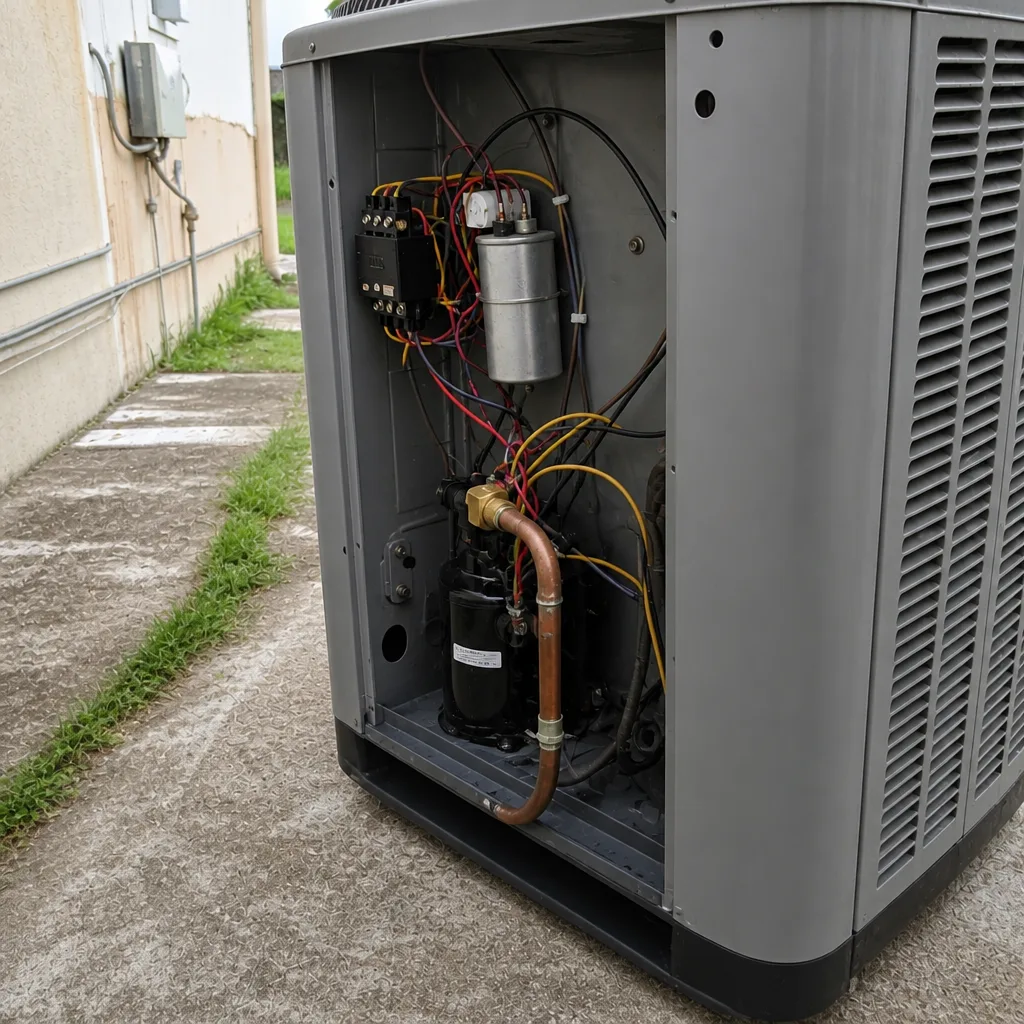
- Electrical connections. Tighten and inspect the contractor, capacitor, and terminal connections, which can loosen or wear under continuous load.
- The blower motor and wheel. A dirty wheel or worn bearing drags on the system all season. Cleaning and inspection catch this before it shortens the motor’s life.
- Condensate drain and drain pan. Five months of cooling means five months of condensation. A clogged or slow drain is one of the most common post-summer findings.
- Ductwork. Check for leaks, disconnected sections, or crushed ducts, especially after a storm season. Duct problems silently make a system work harder for the same comfort.
- Outdoor coil cleanliness. The outdoor coil collects debris from the rainy season. A dirty coil reduces efficiency and raises head pressure.
- Filter condition. A filter that’s been in place through the peak season has seen a lot. Note when it was last replaced.
Do this in October or November, and the findings feed directly into the February window. You use the shoulder season to book, and the quiet season to address anything that came up. Not the other way around. See AC repair for what a service call looks like when something turns up.
Thermostat Strategy and Filter Rhythm for Tampa Weather
The thermostat and filter are the two things a homeowner controls daily, and it’s worth getting both right. The filter rhythm in Miami Gardens is shorter than most guides suggest, because the cooling season is longer. Here’s the practical approach:
Filter Replacement Cadence
- Standard 1-inch fiberglass filters: Replace every 30 days during the peak season. Every 60 days in the shoulder period, at most.
- Pleated filters: Follow the label’s recommended interval but shorten it during June through September. A dirty pleated filter restricts airflow more than a dirty fiberglass one.
- High-MERV or specialty filters: Follow the manufacturer spec, and don’t overshoot on MERV if your system’s ductwork wasn’t designed for it. A filter that’s too restrictive is its own airflow problem.
- After any period of heavy indoor activity (renovation, guests, heavy dust): Replace the filter, whatever the calendar says.
Thermostat Strategy
- Set it and hold it during peak season. A steady, moderate setpoint removes more humidity and stresses the system less than a constant up-and-down.
- Use setbacks carefully. A programmable setback is fine for extended absences, but excessive swing in a humid climate can make the recovery cycle work harder than staying steady would have.
- Don’t over-cool to fix a “feels warm” problem. If a room is warm even with the AC running, the issue is airflow, refrigerant, or an equipment problem, not the thermostat setting.
- Check the thermostat after storms. A power event or voltage issue can leave a program scrambled. Confirm the schedule is what you want it to be during hurricane season.
These are simple habits. They don’t replace annual maintenance. But they do lower the odds you end up calling for a repair in the middle of the worst possible week. Bellmont AC Repair is rooted in this metro area, and Bellmont AC Repair is the full picture of what we do across heating and cooling.
Repair or Replace: Reading the Signs
The honest answer to a repair-or-replace question is nearly always specific to the unit in front of you. That’s why we don’t want to hand you a rule of thumb and send you off. What we can tell you is what to watch for, and why the recommendation should follow the condition of the equipment, not the preference of the company.
Signs worth taking seriously:
- Frequent repair calls. If the system needs repairs repeatedly in the same season, the cost of staying ahead of it starts to add up against the cost of replacement.
- Rising energy use without a change in habits. A system working harder for the same comfort is an inefficient system, and the cause matters.
- Uneven cooling or humidity that won’t stay under control. Sometimes it’s a fixable duct or charge issue. Sometimes it’s a system running past its effective life.
- Refrigerant issues on older equipment. If a system can’t hold its charge and the leak isn’t fixable, that’s a signal.
- Parts availability. If a unit is a brand or model that’s hard to source parts for, that affects both the decision and the timeline.
Whether the right answer is repair or replacement, the recommendation should follow the numbers. Not the product line. When we look at a system, we’re looking at the equipment that’s actually in the home, which is why we’re set up on nine major brands, including Carrier, Trane, Lennox, Goodman, Rheem, York, Daikin, Bryant, and American Standard. That coverage matters most in the quiet window between February and June, when you have time to source parts and compare options. Our technicians have up to 11 years of experience, and the scope is heating and cooling, not general contracting. When it’s time to compare a straight replacement, see AC installation for what to expect in a Miami Gardens home.
Common Mistakes to Avoid
- Waiting for a breakdown to schedule maintenance. In this climate, a system that skips a year of maintenance is a system that’s aging faster than it needs to. It’s also a system that fails in the worst possible month, when every technician is booked.
- Following a national seasonal template. A spring tune-up written for a northern climate misses the rainy season humidity, the hurricane season electrical exposure, and the year-round cooling load that actually shape HVAC care here. Florida has its own calendar.
- Stretching the filter interval through the rainy season. Filters load faster during June through September, and a restricted filter is the most preventable cause of cooling problems during the hottest stretch of the year.
- Leaving the outdoor unit unprotected before a storm. Loose lawn furniture, unsecured equipment, and overhanging branches are the storm-related causes of system damage that a homeowner could have prevented.
- Ignoring post-storm electrical signs. A tripped breaker after a storm, a system that won’t start, or odd behavior after a power event is worth a call. Not all storm damage is visible, and electrical issues can worsen if ignored.
- Cranking the thermostat to fix a warm room. When a room isn’t cooling properly, an over-cooled setpoint doesn’t solve a refrigerant, airflow, or duct problem. It just runs the system harder.
- Deciding repair or replace in a rush. February and March exist to let you make that call with time on your side. Deciding in July under pressure tends to favor the wrong outcome, whichever direction it goes.
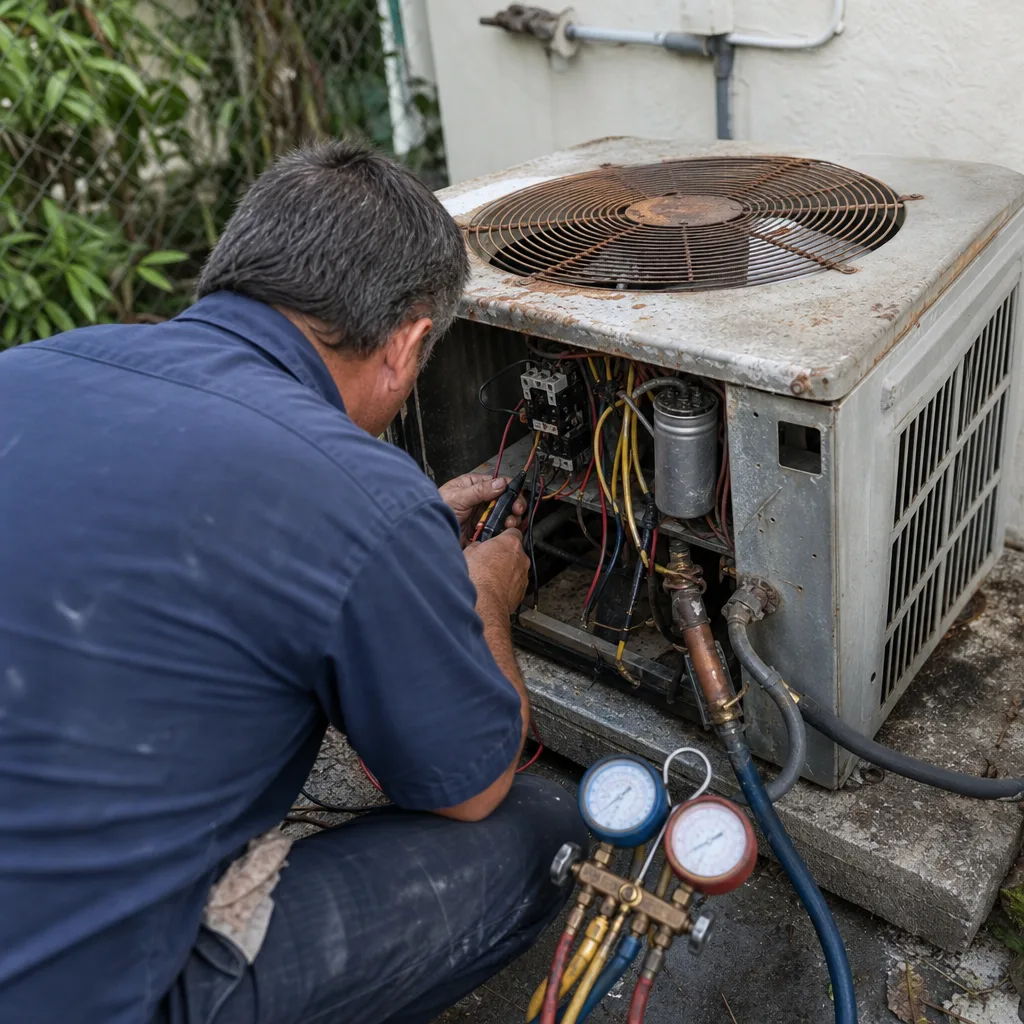
See the difference
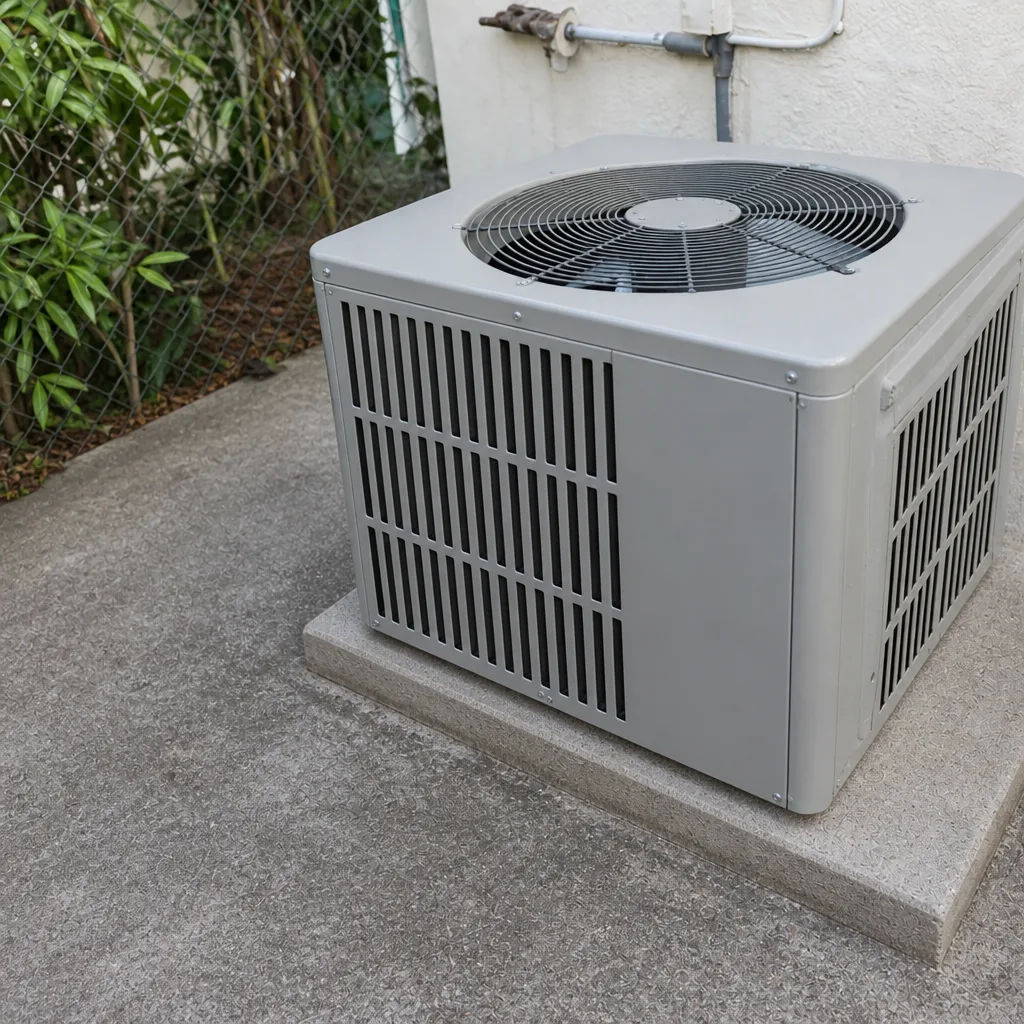
 Before
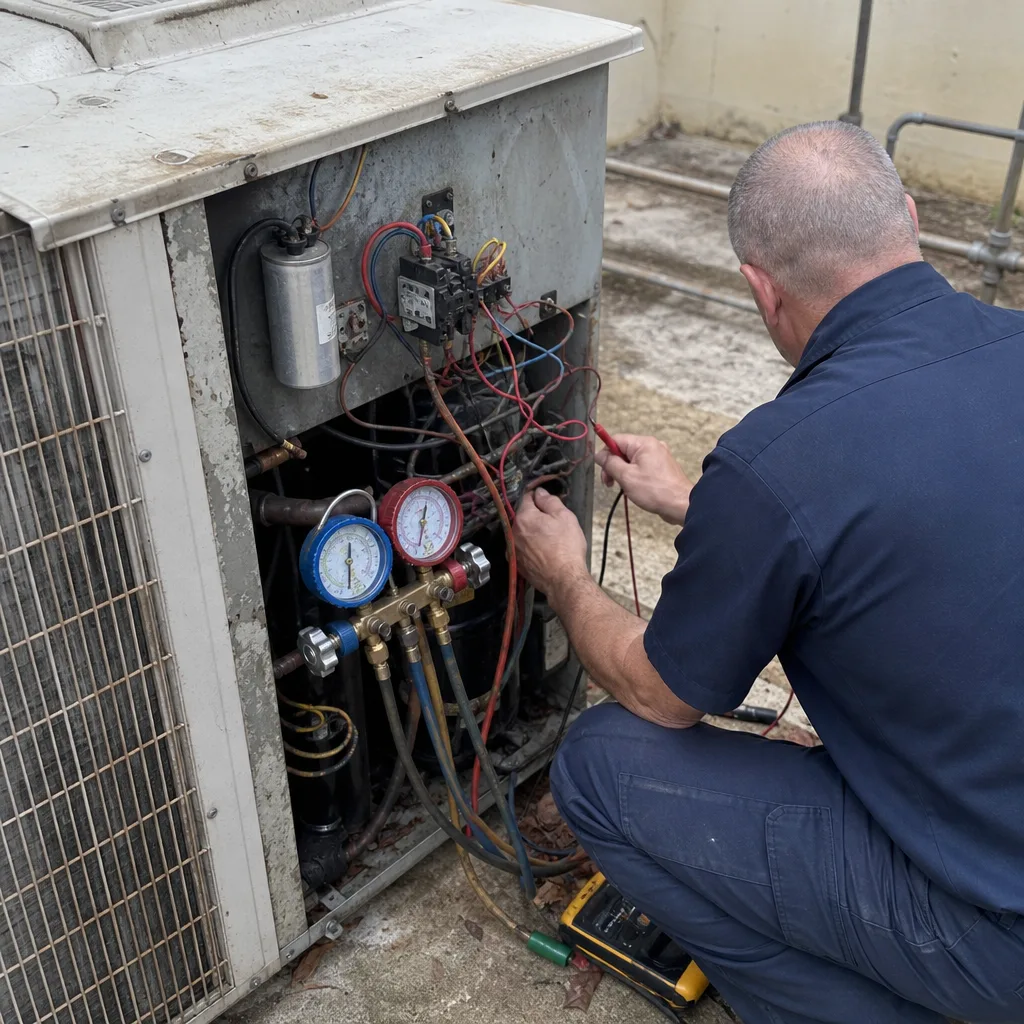
 After
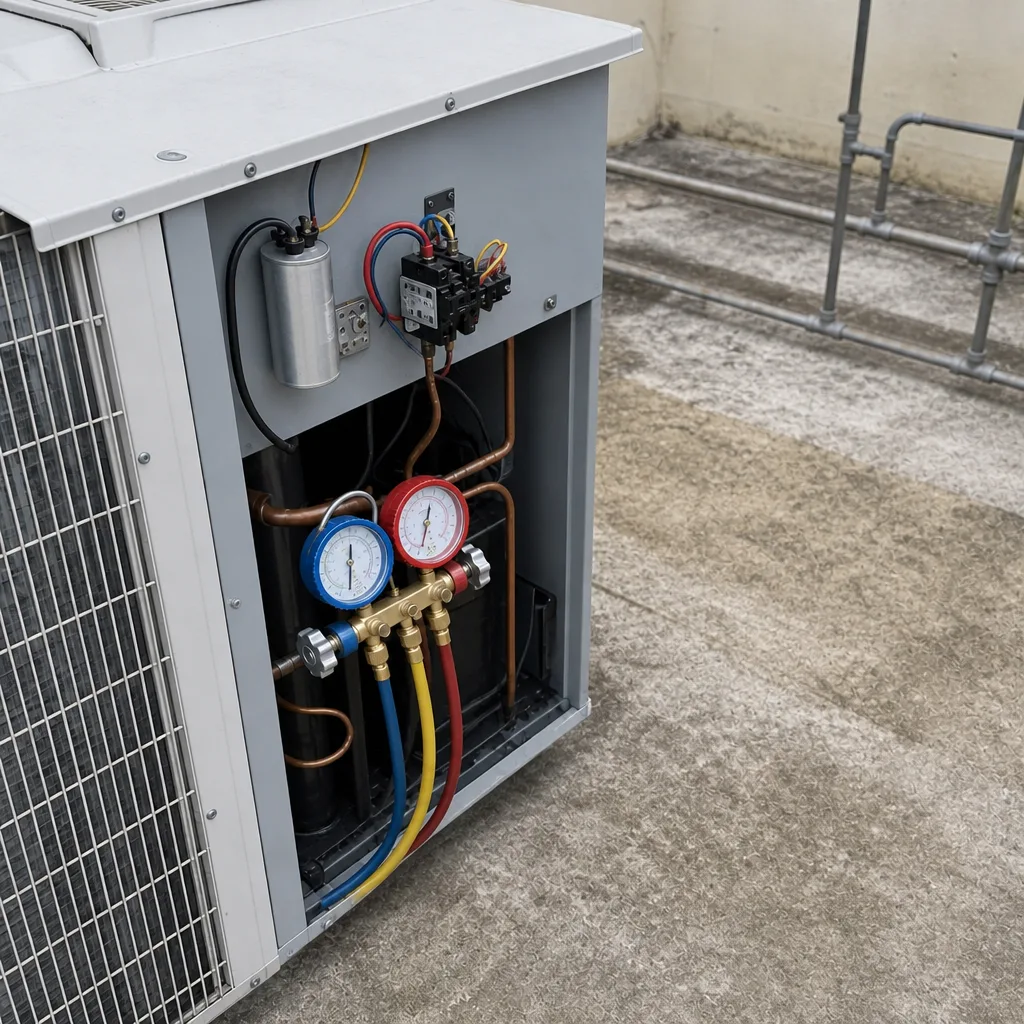
 Before
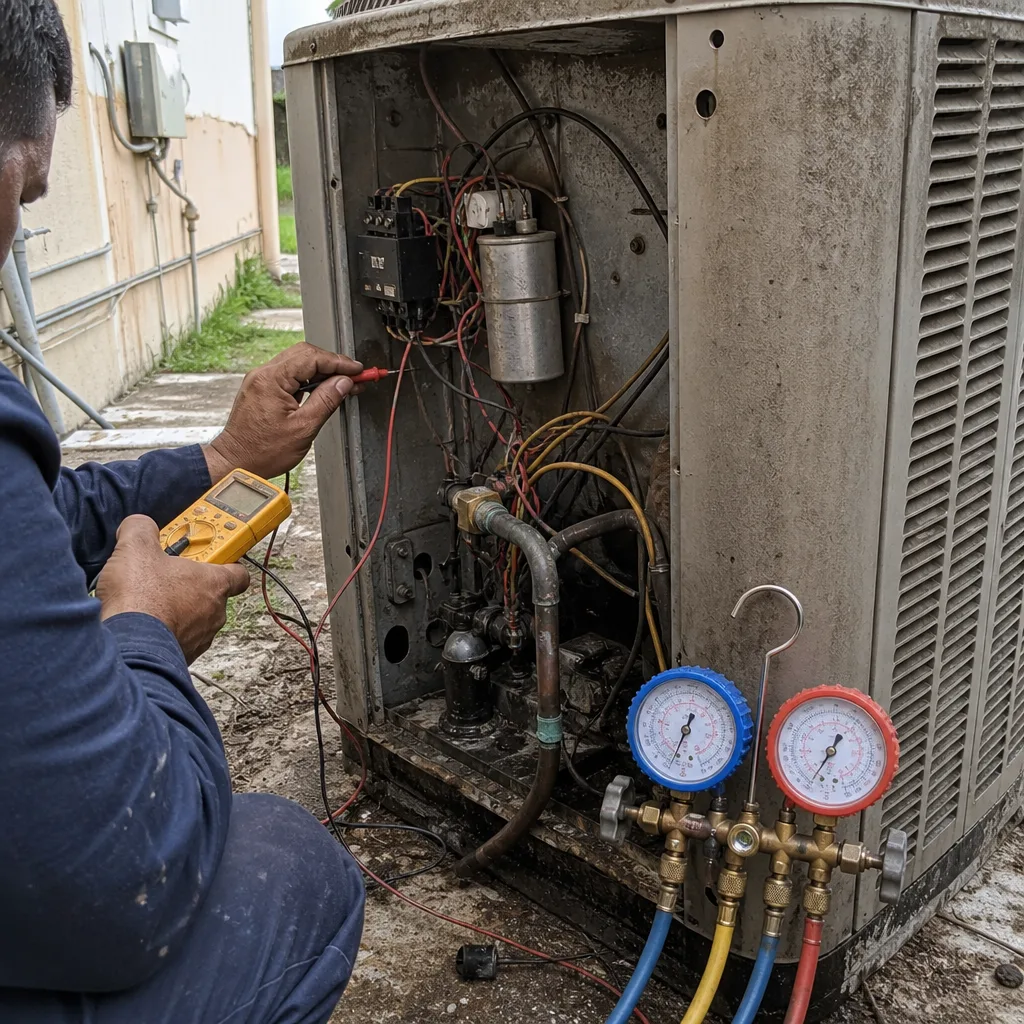
 After
 Before
 After
When to Call a Professional
Some things are homeowner tasks: filter changes, clearing the outdoor unit, watching for condensation, keeping the thermostat set sensibly. The rest belongs to a trained professional. Call when the system won’t cool, when it’s running but a room stays warm, when you hear new grinding or rattling sounds, when you find water pooling near the indoor unit, when the humidity inside doesn’t match the humidity the AC should be removing, or when a post-storm check shows anything unusual. Refrigerant work, electrical diagnostics inside the equipment, and storm damage assessment all require a trained technician. Don’t try to open up the system yourself to save a call. If you’re near the end of a system’s life and you can’t decide repair or replace, a professional conversation beats a guess. Bellmont AC Repair offers free estimates in Miami Gardens. Call (844) 560-6509. We answer 24/7. Fast dispatch from 7am to 7pm, Sunday through Friday.
Frequently Asked Questions
February and March are the best months to book major HVAC maintenance in Miami Gardens. Demand is at its lowest, technicians have more open slots, and the system is under the least strain, which means the inspection is more thorough and the turnaround is faster. By April the schedule fills up, so the value of the early window is real. Call (844) 560-6509 for a free estimate, and we can get you on the calendar.
Plan on replacing standard filters every 30 days during the peak cooling and rainy season (roughly June through September), and every 60 days during the milder window. Pleated and high-MERV filters follow their own recommended intervals, but shorten them during the rainy season. In this climate, filters load faster than a national maintenance guide suggests. If you’re unsure what your system actually needs, call for a free estimate at (844) 560-6509.
Before hurricane season, secure the outdoor unit, clear loose debris from around it, trim any branches that could fall on it, check that the condensate drain and surrounding ground can handle heavy rain, and ask your technician about surge protection. Also note how the system behaves after a storm and have it checked if anything seems off. Call (844) 560-6509 for a free estimate if you want a professional to walk through your setup.
During the rainy season from June through September, outdoor humidity rises, and a cooling system that’s running inefficiently or has airflow problems will fall behind on moisture removal. The result is a home that feels clammy even at a normal setpoint. Shorter filter intervals, a steady thermostat setpoint, and clear return grilles all help. If the problem continues, it’s worth a diagnostic call. Call (844) 560-6509 for a free estimate.
The honest answer depends on the unit: its age, its repair history, its efficiency, and whether parts are available. Frequent repairs, rising energy use, humidity that won’t stay under control, and older equipment that can’t hold a refrigerant charge are all worth taking seriously. Our recommendation follows the condition of the equipment rather than a preferred product line. Call (844) 560-6509 and we’ll give you a straight read and a free estimate.
A post-summer inspection checks refrigerant charge, electrical connections, the blower motor and wheel, the condensate drain and drain pan, ductwork integrity, outdoor coil cleanliness, and filter condition. It’s scheduled in October or November, after the system has finished its hardest running stretch of the year. Findings from that inspection feed into the February maintenance window, so nothing gets left until spring. Call (844) 560-6509 for a free estimate.
The Bottom Line
The Miami Gardens HVAC year runs on its own rhythm: hurricane prep, peak cooling, and a quiet winter window. Use the quiet window for maintenance, parts replacement, and any repair-or-replace decisions. Use the spring for storm prep. Use the rainy season for humidity watch and shorter filter intervals. Use the fall for the post-summer inspection. That rhythm, kept consistently, is the difference between a system that fails at the worst moment and one that stays in front of the weather. If you want help building that rhythm for your home, we work on the system you have across nine major brands. One call covers it. We answer 24/7. Fast dispatch from 7am to 7pm, Sunday through Friday. We’re closed Saturday, and a call outside dispatch hours gets booked into the next opening.
Call (844) 560-6509 for a free estimate. The written estimate sets the final price, and there’s no pressure to say yes to something the system doesn’t need.
Written by the team at Bellmont AC Repair.