
Last updated November 14, 2026
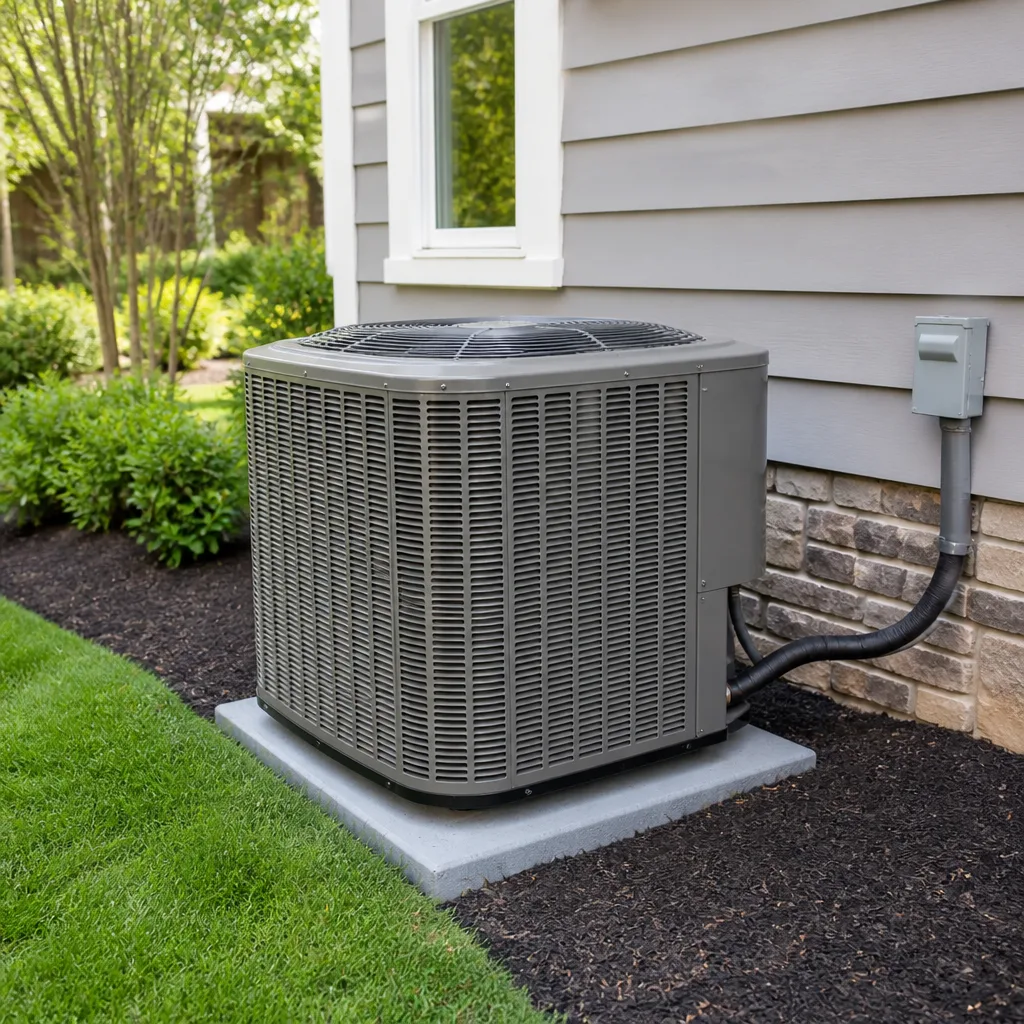 AC repair
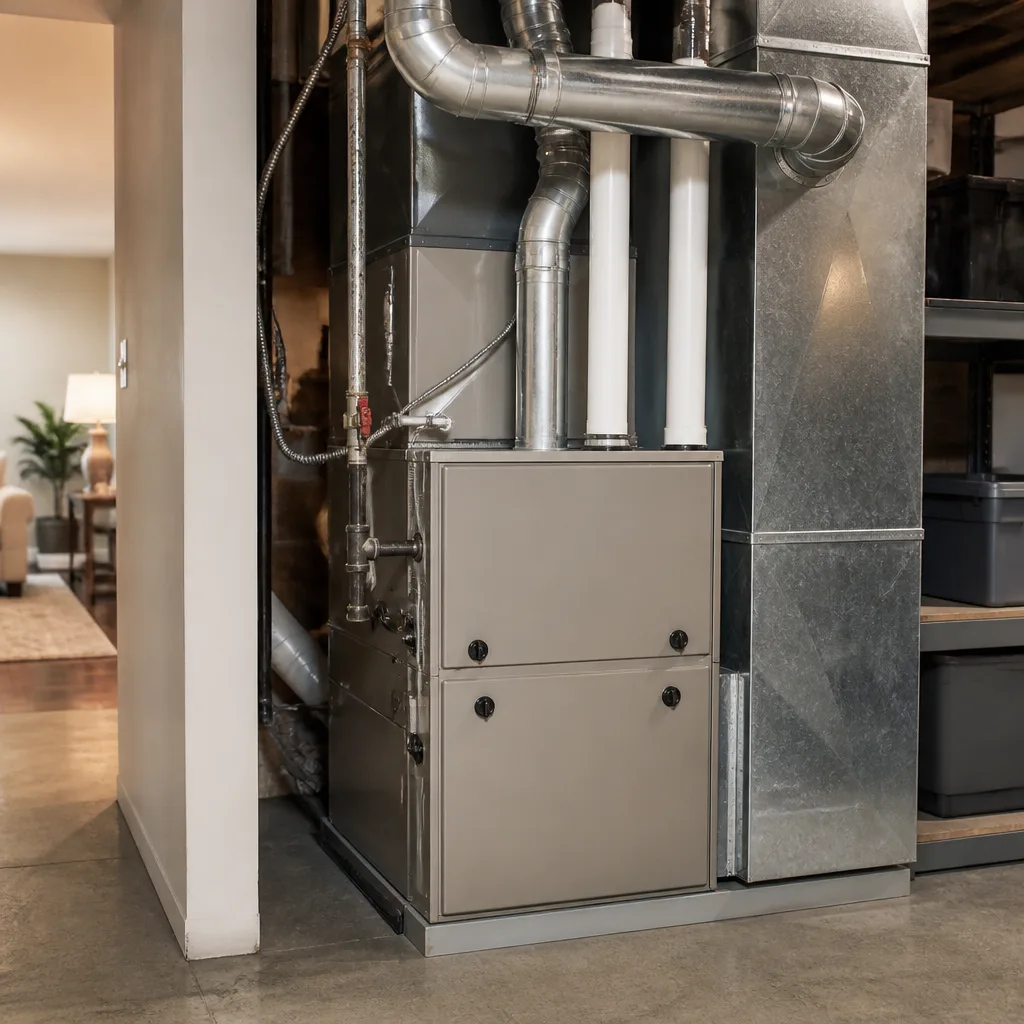 Furnace & heating
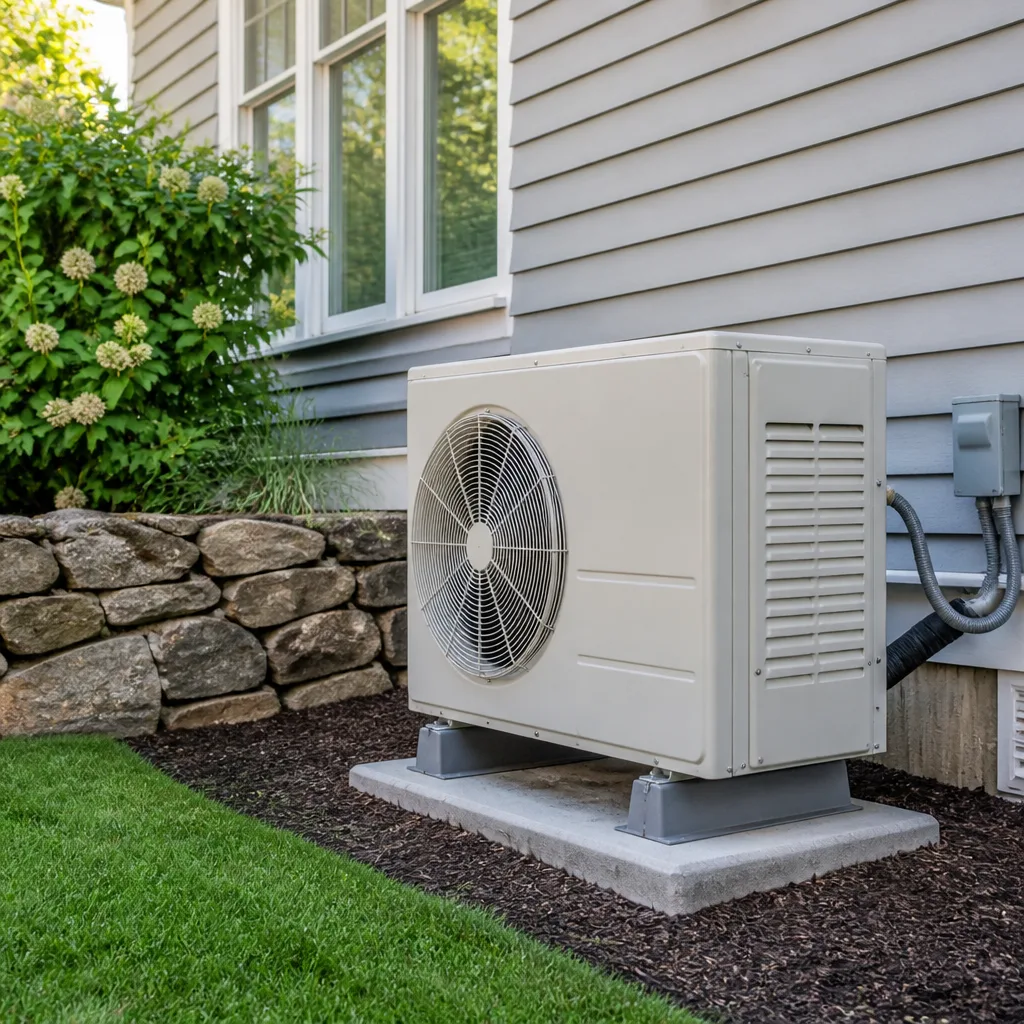 Heat pumps
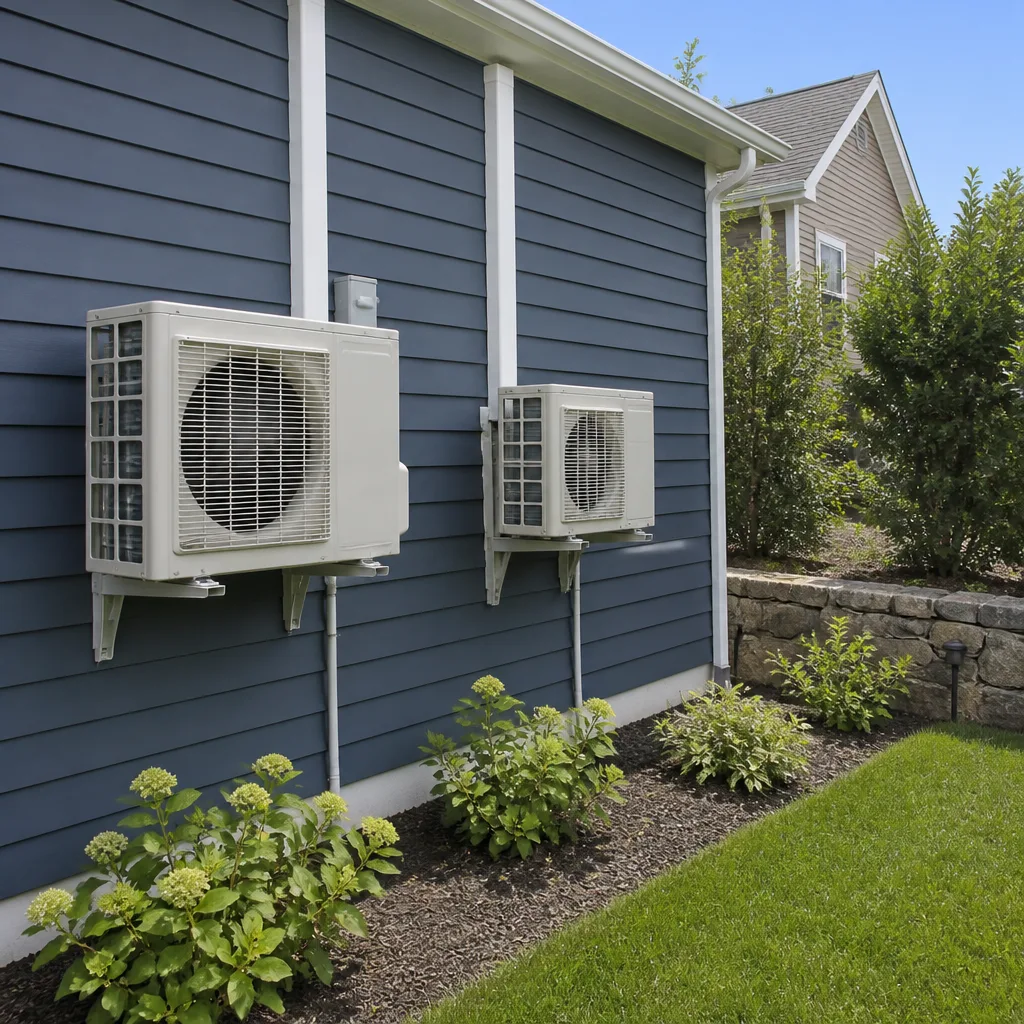 Ductless mini splits
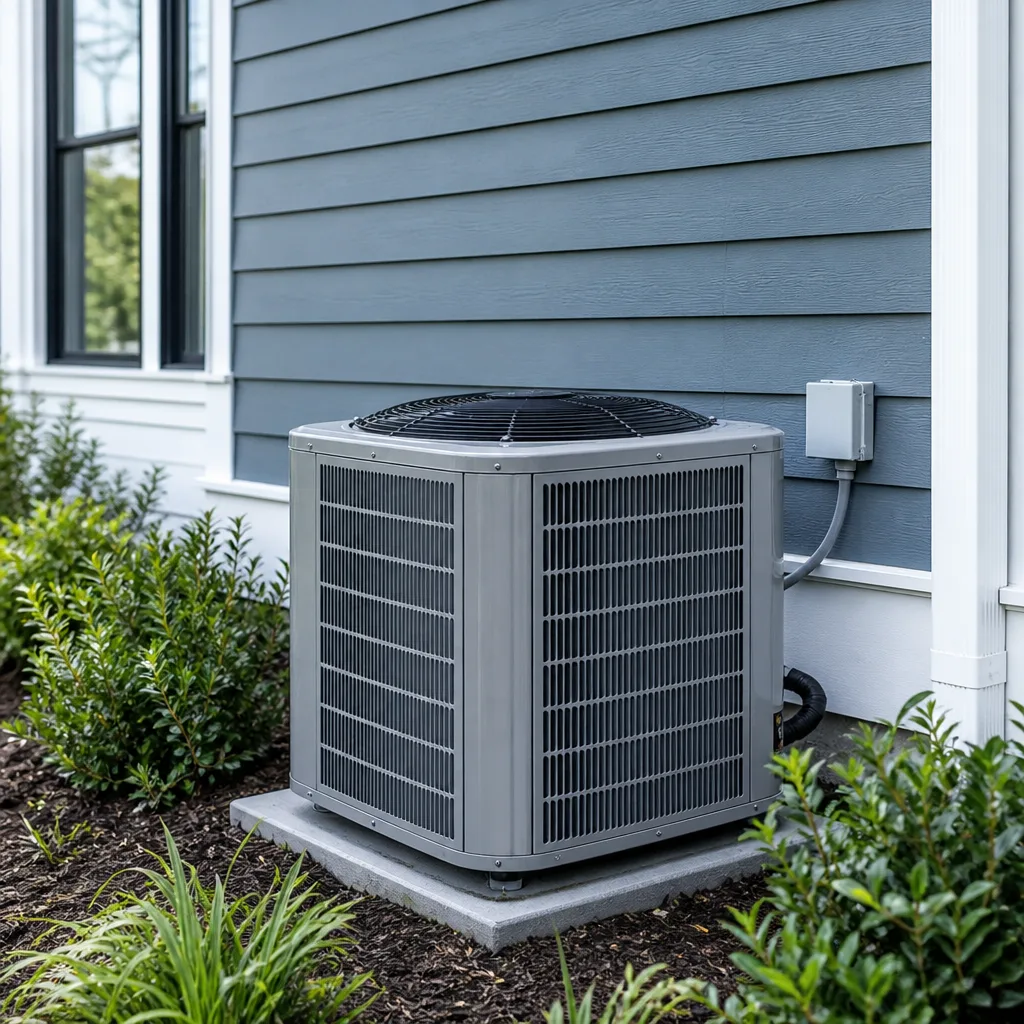 Carrier
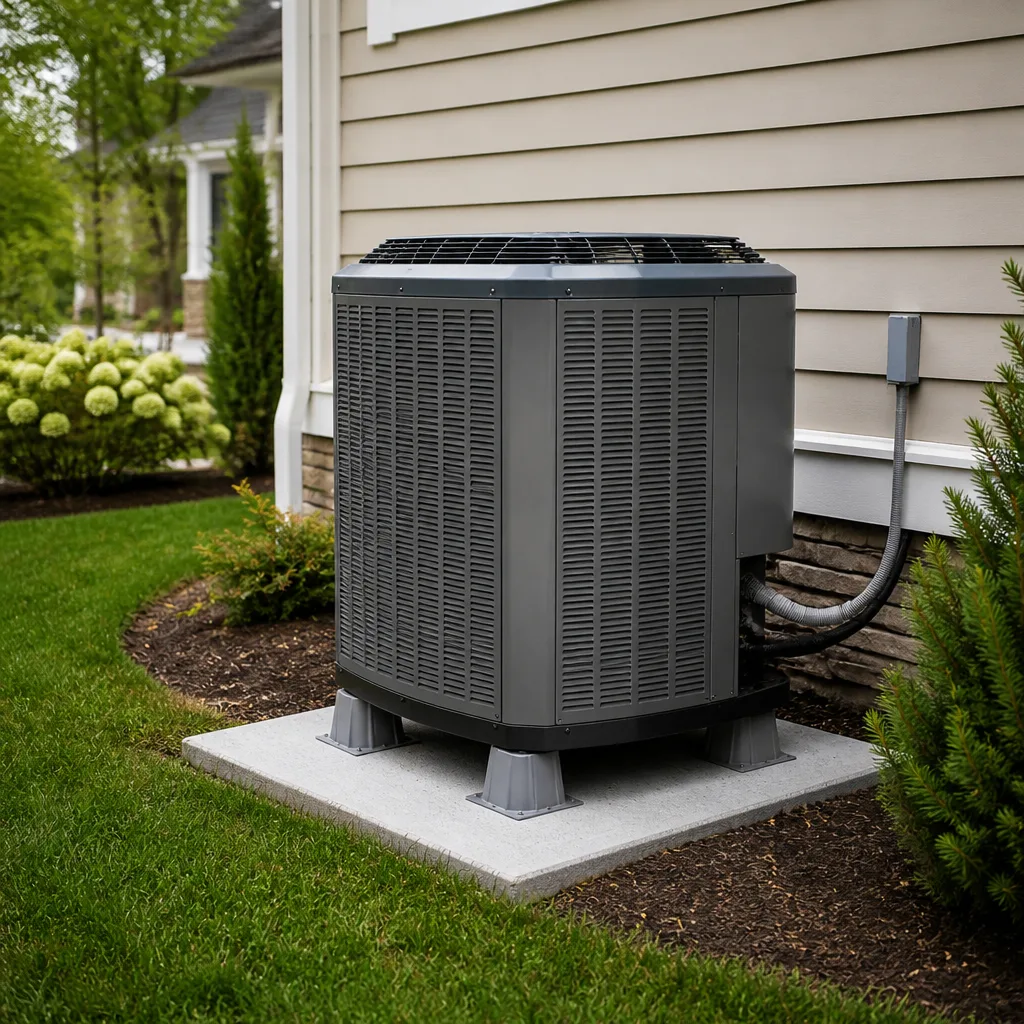 Trane
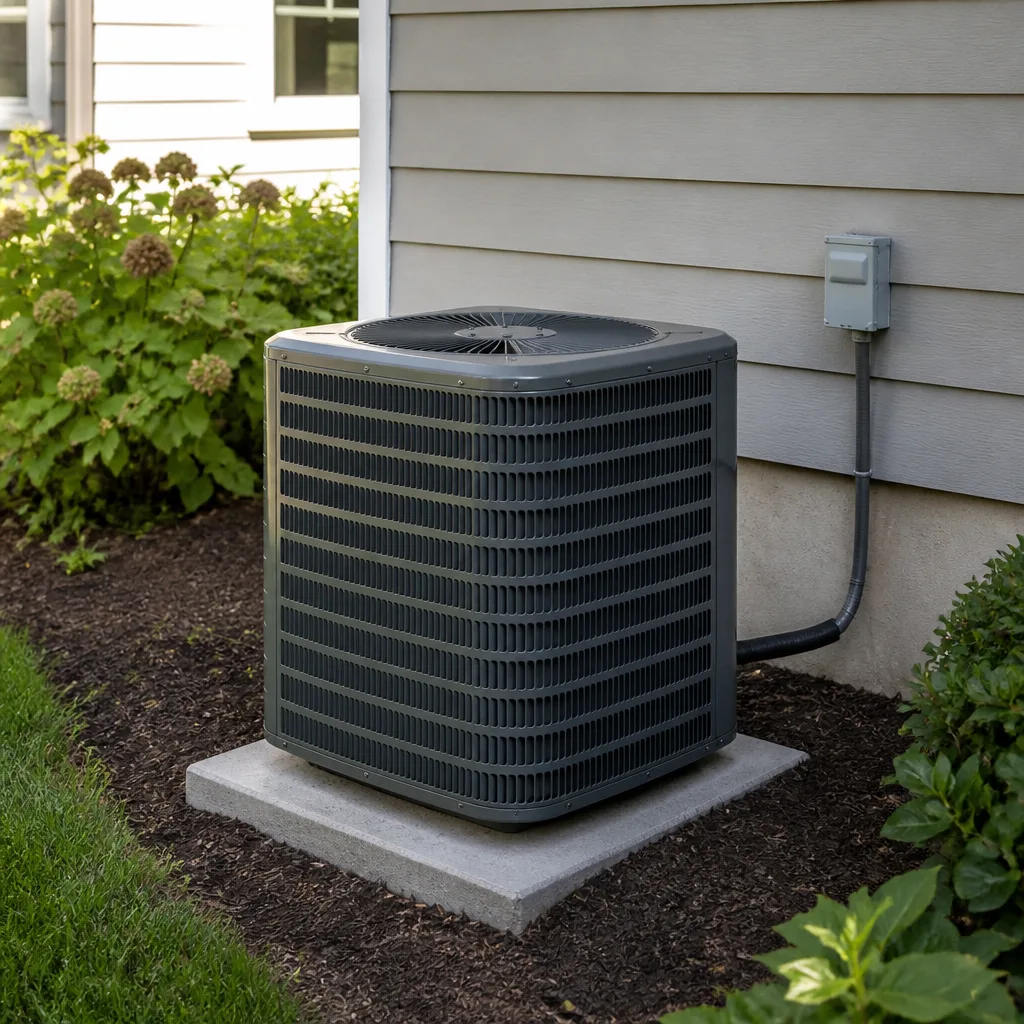 Goodman
Seasonal tune-up and full diagnostic on your Carrier, Trane, or Goodman system - readings shown to you before any repair is proposed
Diagnosis first, numbers second - you approve the repair price before a single part goes in.
Get your free estimateHVAC Permits, Codes & Inspections in Miami Gardens, FL: What You Need to Know
Most homeowners assume the permit is the contractor’s problem. It isn’t. In Miami-Dade County, the permit and the Certificate of Completion stay attached to your property record, not to the company that pulled them. That distinction matters more than people expect. A like-for-like unit swap and a full system changeout can look identical from the driveway, but they carry different legal obligations, different inspection steps, and different consequences at resale. We’ve watched homeowners learn this the hard way during a title search, when a closing stalls over paperwork nobody knew was missing. This guide walks through which HVAC jobs legally need a permit in Miami Gardens, how the inspection process actually runs, what Florida’s energy code requires of a new installation, and how to check your own property’s permit history before it becomes someone else’s question.
Quick Answer
In Miami Gardens and the rest of Miami-Dade County, most HVAC work beyond routine maintenance requires a building permit and a passed inspection, including new system installations, changeouts that alter capacity or equipment type, and any job involving electrical or refrigerant line changes. Like-for-like replacements and coil-only swaps can sometimes qualify for a simpler path, but the determination depends on the scope and the code edition in force, so it pays to confirm with the county building department before work starts. Unpermitted HVAC work stays on your property record and can surface during a sale, an insurance claim, or a warranty dispute.
Styles & brands we work with
- AC repair
- Furnace & heating
- Heat pumps
- Ductless mini splits
- Carrier
- Trane
- Goodman
Table of Contents
- Which HVAC jobs need a permit in Miami Gardens?
- What HVAC work is exempt from permitting?
- How the Miami-Dade inspection process works, step by step
- Florida Building Code Section 13 and your new system
- What a Certificate of Completion means for your property record
- How to check your permit history online
- What to do if you find unpermitted work
- Common mistakes to avoid
Which HVAC jobs need a permit in Miami Gardens?
The short answer: anything that changes the system’s equipment, capacity, configuration, or the electrical and refrigerant circuits serving it. Miami-Dade enforces its own product approval and inspection standards on top of the Florida Building Code, and HVAC sits squarely inside that scope. If the job touches the refrigerant circuit, the disconnect, the condensate path, or the unit’s rated capacity, assume a permit is required until the building department tells you otherwise.
Jobs that typically require a permit in Miami Gardens include:
- Full system replacement. Swapping out both the condenser and the air handler, even with the same tonnage, generally requires a permit and inspection. This is where homeowners most often get surprised.
- Equipment substitution that changes capacity. Moving from a 3-ton to a 4-ton system, or from a single-stage to a variable-speed unit, is a design change and is treated as such.
- Duct system replacement or major reconfiguration. New trunk lines, added supply runs, or a full duct replacement typically falls under mechanical permitting.
- New electrical circuits or disconnect changes. Dedicated circuits, disconnects, and equipment power all sit under the electrical permit umbrella.
- Relocation of indoor or outdoor equipment. Moving an air handler to the attic or repositioning a condenser changes clearances and drainage, both of which are inspected.
What makes Miami-Dade stricter than most of Florida is the level of documentation. Product approvals have to match the specific equipment being installed, and inspectors verify that the installed equipment matches the permitted equipment down to the model number. We work across nine major brands including Lennox, Goodman, Rheem, and York, and part of our job on any permitted job is confirming the model numbers on the permit application match what’s actually going in. A mismatch is one of the most common reasons an inspection fails on the first pass.
What HVAC work is exempt from permitting?
Routine maintenance and direct like-for-like service generally don’t require a permit. That includes filter changes, coil cleaning, refrigerant charge adjustment, capacitor and contactor replacement, thermostat swaps on existing low-voltage wiring, and most diagnostic work. These are the calls homeowners make when a system stops cooling, and they don’t involve the building department.
The gray area is replacement. A coil-only swap, where the air handler or condenser stays in place and only the evaporator or condenser coil is replaced with an identical component, is sometimes handled without a full mechanical permit, but the rules depend on scope and on which code edition the jurisdiction is applying at the time. A condenser-only replacement on an existing air handler is similar, and the decision usually turns on whether the equipment match is approved and whether any electrical or line-set work is involved.
What we tell homeowners in Miami Gardens is simple: don’t guess. Two factors decide it in practice.
- The scope of the work. If anything beyond a direct component swap is involved, assume a permit.
- The equipment match. If the new component is not an approved match for the existing system, the county treats it as an alteration.
Equipment match matters for more than permitting. Mismatched components can void manufacturer warranties, since most brands require approved pairings for their efficiency ratings to hold. If you’re weighing a partial swap against a full system, our guide to AC repair in Miami Gardens explains how to think about that decision in practical terms.
How the Miami-Dade inspection process works, step by step
The process is sequential, and skipping a step in the middle is what causes the problems. Here’s how it runs in practice for a permitted HVAC installation in Miami Gardens.
- Permit application. The contractor submits the application with equipment specs, a load calculation, and product approval documentation. The county reviews for completeness.
- Permit issuance. Once approved, the permit is issued and posted. Work can begin.
- Rough-in inspection (where applicable). For jobs involving new line sets, electrical circuits, or duct runs, an inspector verifies the rough work before it’s covered.
- Final inspection. After the system is installed and operational, an inspector verifies the equipment matches the permit, checks clearances, verifies the condensate drainage and electrical connections, and confirms the system operates.
- Certificate of Completion. On a passed final, the county issues the certificate, and the permit is closed on your property record.
Timelines depend on the county’s inspection queue and on how complete the original submission was. A clean application with correct equipment documentation tends to move faster than one that needs correction and resubmission. The single biggest variable we see is the load calculation and equipment specs matching the actual install, because that’s what inspectors verify against.
Miami Gardens’ housing stock adds a wrinkle. A lot of the city’s single-family homes were built decades ago with duct systems and electrical service that weren’t designed for modern equipment. An inspector checking a new installation in an older home will look closely at the electrical disconnect and the condensate path because those are the components most likely to need updating alongside the equipment. If the permit application doesn’t address them, the inspection won’t pass. We work on the system you have, not a catalog ideal, so we build those details into the job from the start rather than discovering them at inspection time.
Florida Building Code Section 13 and your new system
Florida’s energy code, laid out in Section 13 of the Florida Building Code, applies to new HVAC installations and to significant alterations. In practice, that means a permitted installation in Miami Gardens has to demonstrate more than just “the new unit runs.” It has to meet efficiency and design requirements tied to the specific equipment being installed.
The requirements that come up most often on residential HVAC work:
- Load calculation. The equipment size has to be based on a calculated load for the home, not on the size of the old unit. This is why a contractor who simply matches the existing tonnage isn’t actually following the code.
- Equipment efficiency ratings. The installed equipment must meet the minimum efficiency thresholds in the current code edition for the system type. Ratings are verified against the model number on the permit.
- Duct sealing and insulation. Where ducts are replaced or altered, sealing and insulation requirements apply. In Miami Gardens’ climate, duct leakage is a major efficiency issue because outdoor humidity pushes against the building envelope year-round.
- Controls and setbacks. Programmable or smart thermostat requirements apply to new installations in many cases.
Here’s where the local climate makes Section 13 more than paperwork. Miami Gardens sits in a hot, humid zone where the system runs long hours and condensate management is a real design constraint. A load calculation that ignores humidity control will size a system that cools adequately but leaves the house feeling clammy, and the inspector may also flag condensate drainage that doesn’t meet code. Our team handles AC installation in Miami Gardens regularly, and we run a proper load calculation as part of the job, partly because it’s required and partly because a mismatched system disappoints the homeowner for the system’s entire life.
What a Certificate of Completion means for your property record
The Certificate of Completion is the document that closes the permit and proves the work was inspected and approved. It is not a formality. On a permitted HVAC job in Miami Gardens, it becomes part of the property record attached to that address, and it stays there.
Why it matters, practically:
- Title searches. During a home sale, the title company pulls the property’s permit history. Open or missing permits show up as exceptions, and closings can be delayed or renegotiated because of them.
- Insurance. If a system failure leads to a claim, an insurer may ask whether the installation was permitted and inspected. Unpermitted work gives them a basis to push back.
- Warranty claims. Equipment manufacturers and their warranty administrators increasingly ask for proof of professional, code-compliant installation when a major component fails. An unpermitted install with no Certificate of Completion can complicate that claim.
- Liability. If an unpermitted installation causes property damage or a safety issue, the responsibility picture gets murky. The paperwork is what separates a covered, documented job from a dispute.
This is the piece homeowners most often skip and most often regret. The certificate is a one-page document that answers a lot of questions years later. When we close out a job, we make sure the homeowner has a copy, because the county record is only useful if you know it exists.
How to check your permit history online
Miami-Dade County maintains an online permit portal where you can look up the permit history for a specific address. You don’t need to be the current owner to search it, which makes it a useful tool before you buy a home and a useful double-check after any major work.
- Go to the county’s online permit search portal.
- Search by property address or folio number.
- Review the permit records for the address, paying attention to the status of each permit (issued, finaled, expired, or open).
- Check whether HVAC permits from prior installations were closed with a final inspection.
- Request copies of any Certificate of Completion for work done before you owned the home.
If you’re buying a home in Miami Gardens, do this before the inspection period closes. A missing HVAC permit from a prior owner’s installation is something you can ask the seller to address during negotiation, but it’s much harder to resolve after closing. If you already own the home, it’s still worth a look, especially if you’ve had work done and can’t remember whether the closeout paperwork arrived.
Searching your own record is also how you confirm that an installation you paid for was actually inspected. If a permit was pulled but never finaled, the record will show it, and that’s a conversation worth having with whoever did the work.
What to do if you find unpermitted work
Finding an unpermitted installation on your property record is common, especially in older Miami Gardens homes that changed hands a few times before permitting records went fully digital. The situation is fixable, and it’s better handled proactively than discovered at a closing table.
The realistic path usually looks like this:
- Document what’s installed. Get the model and serial numbers off the condenser and air handler. That tells you what equipment is actually there and whether it’s an approved match.
- Talk to the county building department. Ask what they require to bring the installation into compliance. Depending on the age and condition of the equipment, the answer may range from an after-the-fact permit with a current inspection to a partial reinstallation.
- Get a professional assessment. A technician needs to verify the installation is code-compliant on clearances, electrical connections, condensate drainage, and refrigerant charge before anyone signs off on it.
- Pull the permit and complete the inspection. Work with a licensed contractor to submit the after-the-fact permit, make any corrections the inspector requires, and obtain the Certificate of Completion.
- Keep the paperwork with your closing documents. The certificate is the record that prevents the same issue from resurfacing.
The cost of fixing an unpermitted installation depends on what the inspector finds. A correctly installed system that just lacks the paperwork may only need a permit and an inspection. A system installed with undersized electrical or improper clearances may need real corrections. In our experience, the earlier in the process you address it, the simpler the outcome. If you’re in this situation now, we can take a look and tell you honestly what we see. Call (844) 560-6509. We answer 24/7. Fast dispatch from 7am to 7pm, Sunday through Friday.
Common Mistakes to Avoid
- Assuming a like-for-like swap doesn’t need a permit. A straight condenser swap can still require a permit depending on scope and equipment match. Confirm with the county rather than assuming, because the record attaches to your home either way.
- Letting the contractor keep the Certificate of Completion. The certificate belongs with your property documents. Ask for a copy and store it with your closing paperwork, not in a drawer you’ll forget.
- Skipping the load calculation to save time. Florida’s energy code requires it, and an undersized or oversized system in Miami Gardens’ humid climate will underperform for its entire service life.
- Replacing only the condenser on an old air handler. Mismatched components can void the manufacturer’s warranty and complicate permitting, even when the equipment technically runs.
- Not checking permit history before buying. A title search will eventually reveal unpermitted work, and it’s much easier to negotiate before the inspection period ends.
- Waiting until closing to fix it. Bringing work into compliance takes time. Starting the process the week before closing is a scramble; starting months ahead is routine.
- Hiring a generalist for a permit-required job. HVAC permits require a licensed mechanical contractor. A handyman or general contractor without the right license can’t legally pull the permit, and the record reflects that.
See the difference
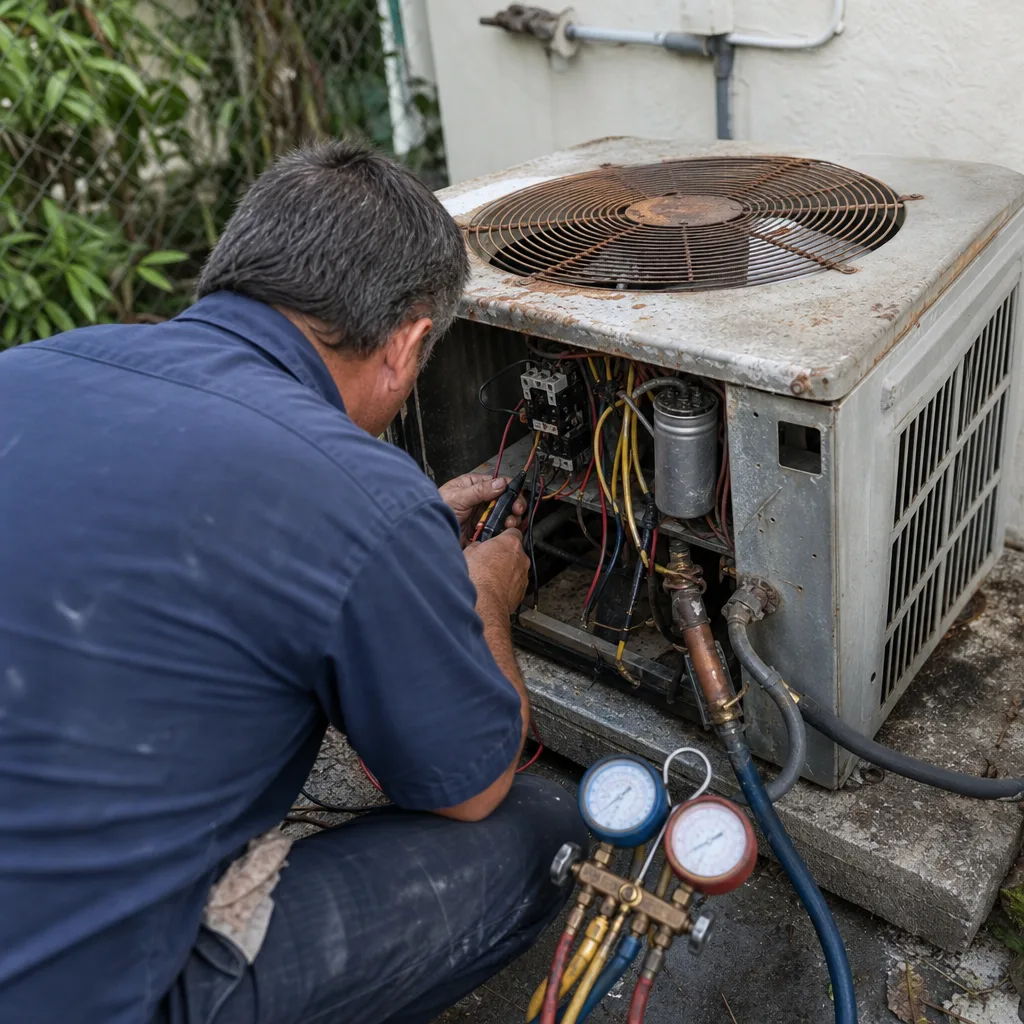 Before
 After
 Before
 After
 Before
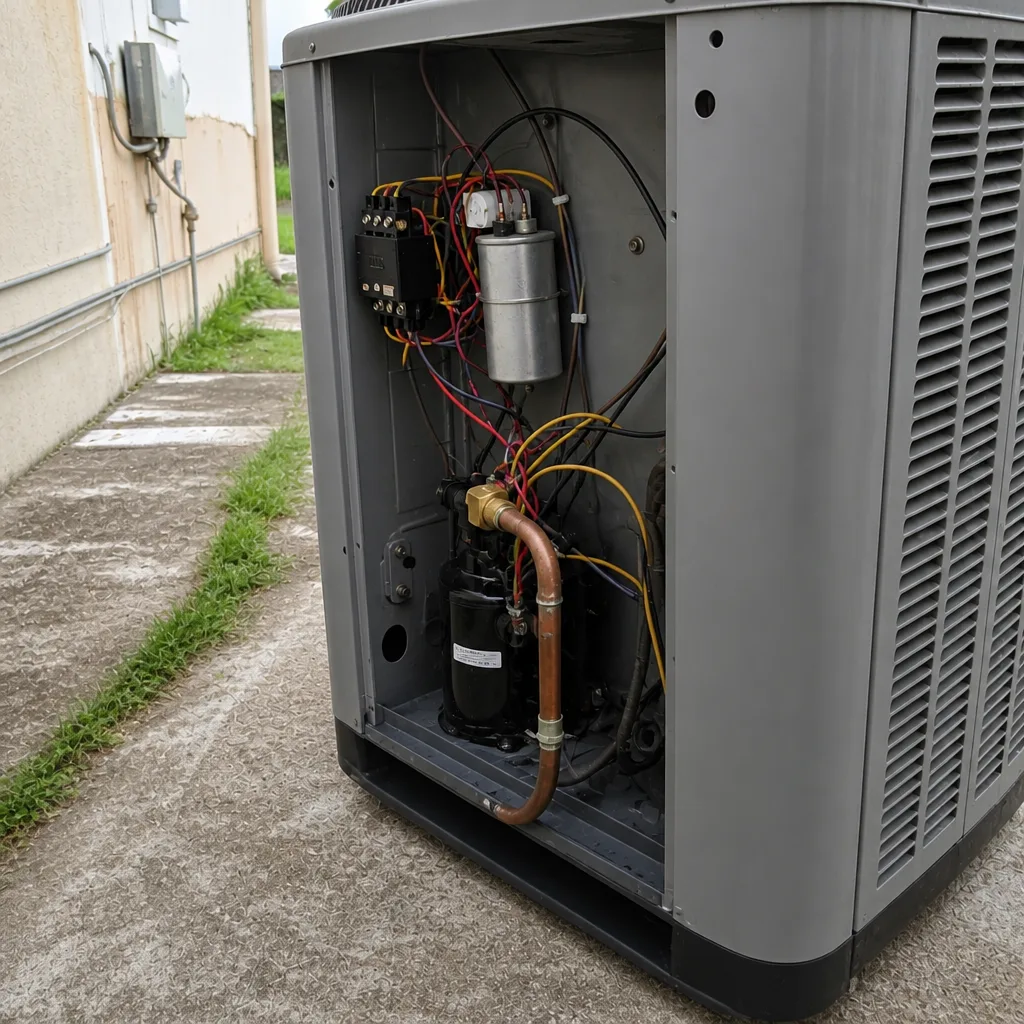 After
When to Call a Professional
Call a licensed HVAC professional when the work involves anything beyond maintenance. That means a system replacement of any kind, a condenser or coil swap, duct work, electrical changes to the equipment circuit, or any job where you’re unsure whether a permit applies. It also means any time you discover unpermitted prior work, since bringing an installation into compliance requires a licensed contractor to pull the permit and pass inspection. If a system stops cooling and you’re not sure what’s wrong, a proper diagnosis comes before any conversation about permits, because the fix may not involve a permit at all. And if you’re buying a home in Miami Gardens and want the HVAC record checked before closing, that’s a conversation worth having early.
Bellmont AC Repair offers free estimates in Miami Gardens. We work on the system you have, across nine major brands, and we’ll tell you plainly what the job requires, including the paperwork. Call (844) 560-6509. We answer 24/7. Fast dispatch from 7am to 7pm, Sunday through Friday. Our technicians have up to 11 years of experience, and we handle both Bellmont AC Repair service work and permitted installations throughout Miami Gardens.
Frequently Asked Questions
In most cases, yes. A full system replacement in Miami Gardens requires a mechanical permit and a final inspection, even when the new equipment is the same tonnage as the old. The county verifies that the installed equipment matches the permitted equipment and that the installation meets code on clearances, electrical, and condensate drainage. Confirm the specific scope with the Miami-Dade building department before work begins. Call (844) 560-6509 for a free estimate if you’re planning a replacement and want a clear picture of what’s involved.
Unpermitted work stays on your property record and typically surfaces during a title search at a home sale, an insurance claim, or a manufacturer warranty dispute. The installation is not documented as inspected, which can leave you responsible for fixing it later. Bringing it into compliance after the fact requires an approved permit and an inspection. Call (844) 560-6509 for a free estimate on bringing an unpermitted installation into compliance.
Timelines vary with the county’s review and inspection queue and with how complete the original application was. A clean application with correct equipment documentation and a load calculation generally moves faster than one needing correction and resubmission. The most common delay is a mismatch between the equipment specified on the permit and what actually gets installed. We handle the permit coordination as part of the job. Call (844) 560-6509 for a free estimate.
Sometimes, but it depends on scope and equipment match. A coil-only swap with an approved matching component on an existing system may be handled without a full mechanical permit. If the new component isn’t an approved match, or if electrical or line-set work is involved, the county treats it as an alteration. Confirm with the building department before assuming it’s exempt. Call (844) 560-6509 to talk through your specific situation.
Yes. Miami-Dade County maintains an online permit search portal where you can look up any address or folio number and review permit status, including whether prior HVAC permits were finaled. It’s worth checking before buying a home in Miami Gardens and after any major installation you’ve paid for. If you find an open or missing permit, a licensed contractor can help you resolve it. Call (844) 560-6509 for a free estimate on the assessment.
It can complicate it. Most manufacturers require professional, code-compliant installation for their equipment warranties to hold, and warranty administrators may ask for installation documentation when a major component fails. An unpermitted install with no Certificate of Completion often leaves gaps in that documentation. Getting the installation permitted and inspected protects both the equipment and your position if a claim comes up. Call (844) 560-6509 for a free estimate.
The Bottom Line
In Miami Gardens, the HVAC permit is part of the job, not an optional add-on. Miami-Dade enforces stricter documentation than most of Florida, and the Certificate of Completion that follows a passed inspection stays on your property record permanently. That paperwork matters at resale, at claim time, and when a manufacturer asks how their equipment was installed. The practical takeaways: assume a permit for any replacement or alteration, confirm the exempt cases with the county rather than guessing, check your permit history before a purchase, and if you discover unpermitted work, address it early. Load calculations and equipment matches aren’t red tape; they’re what make a system perform in this climate. If you want a straight answer about what a job requires, call (844) 560-6509 for a free estimate.
Written by the team at Bellmont AC Repair.