
Last updated November 14, 2026
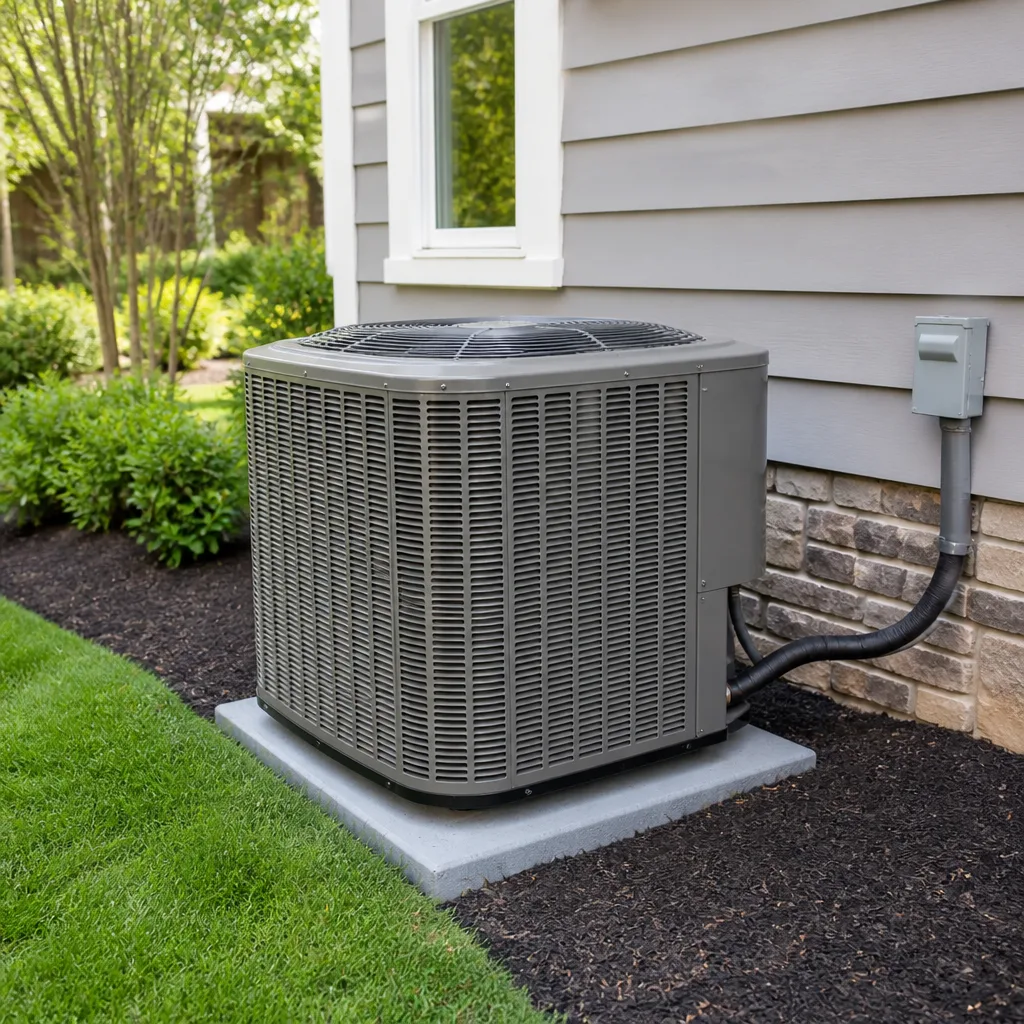 AC repair
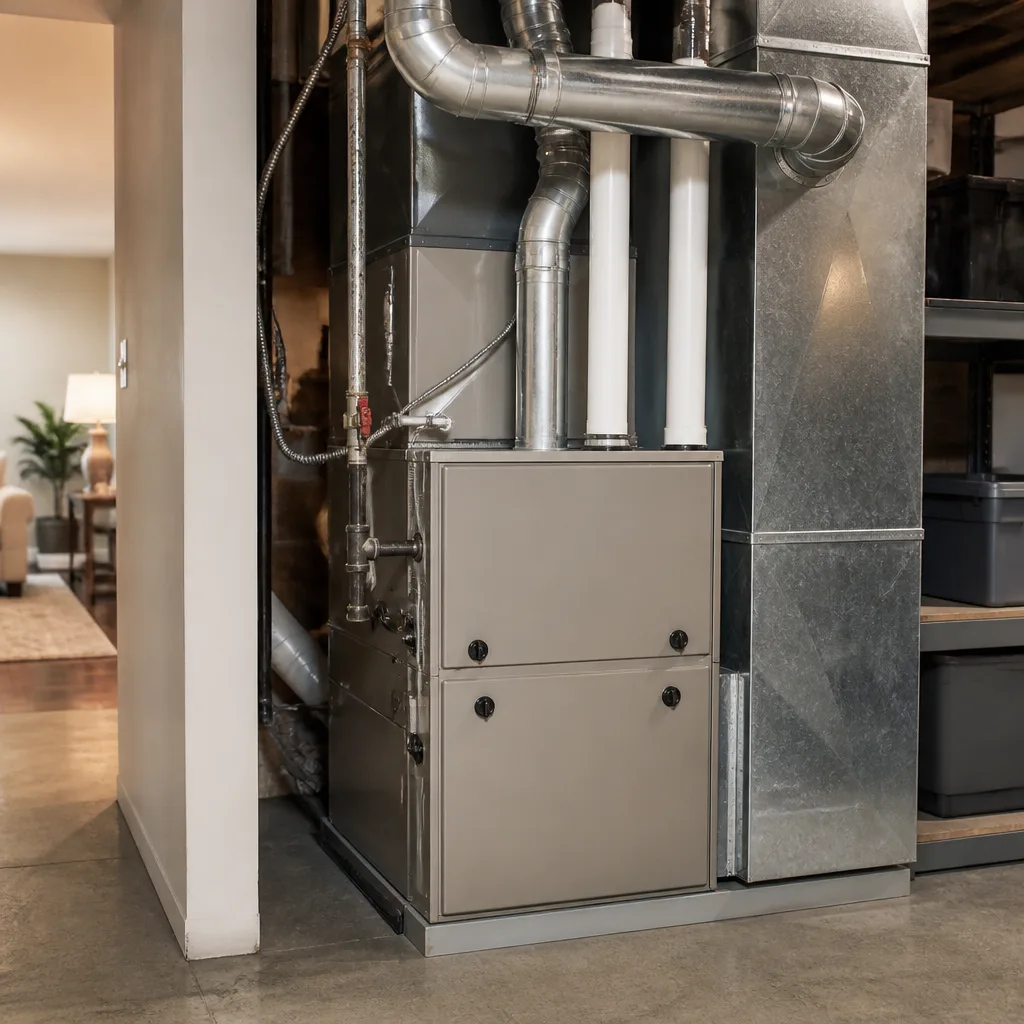 Furnace & heating
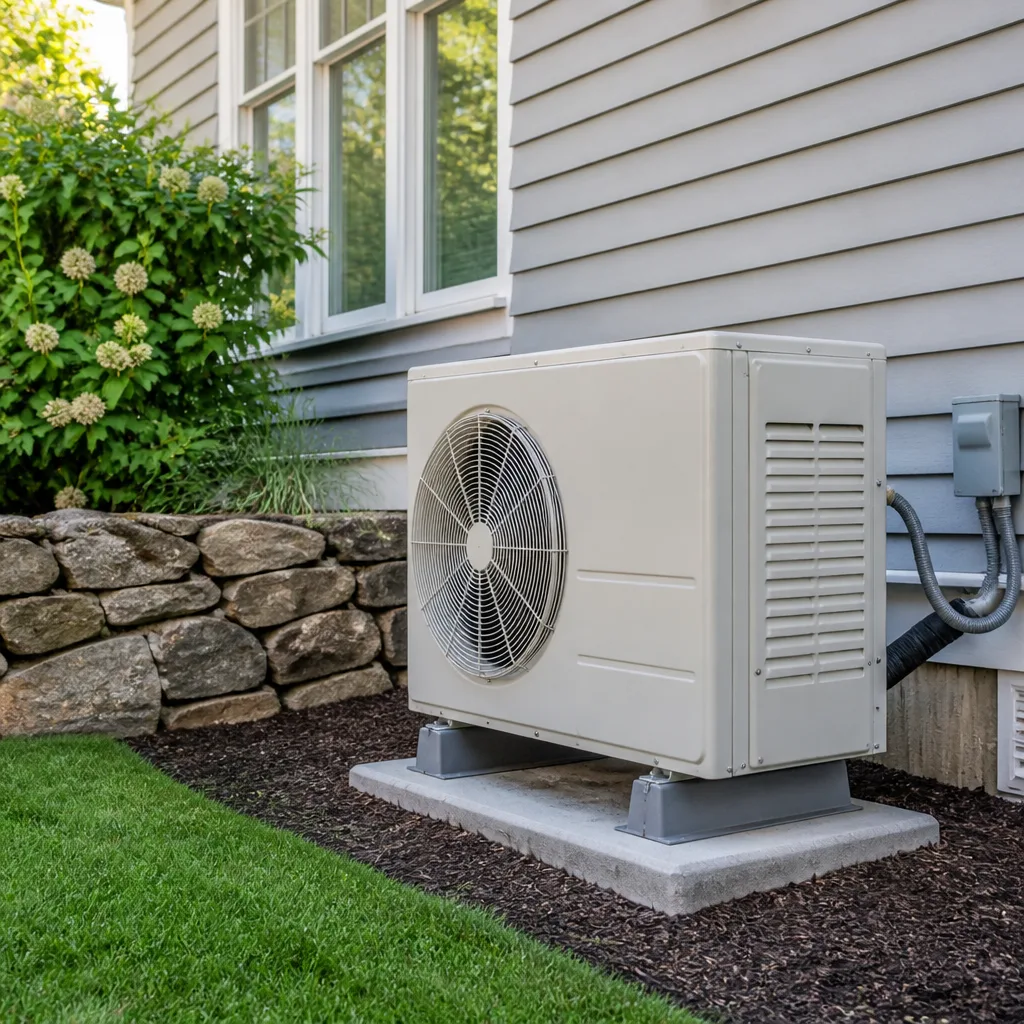 Heat pumps
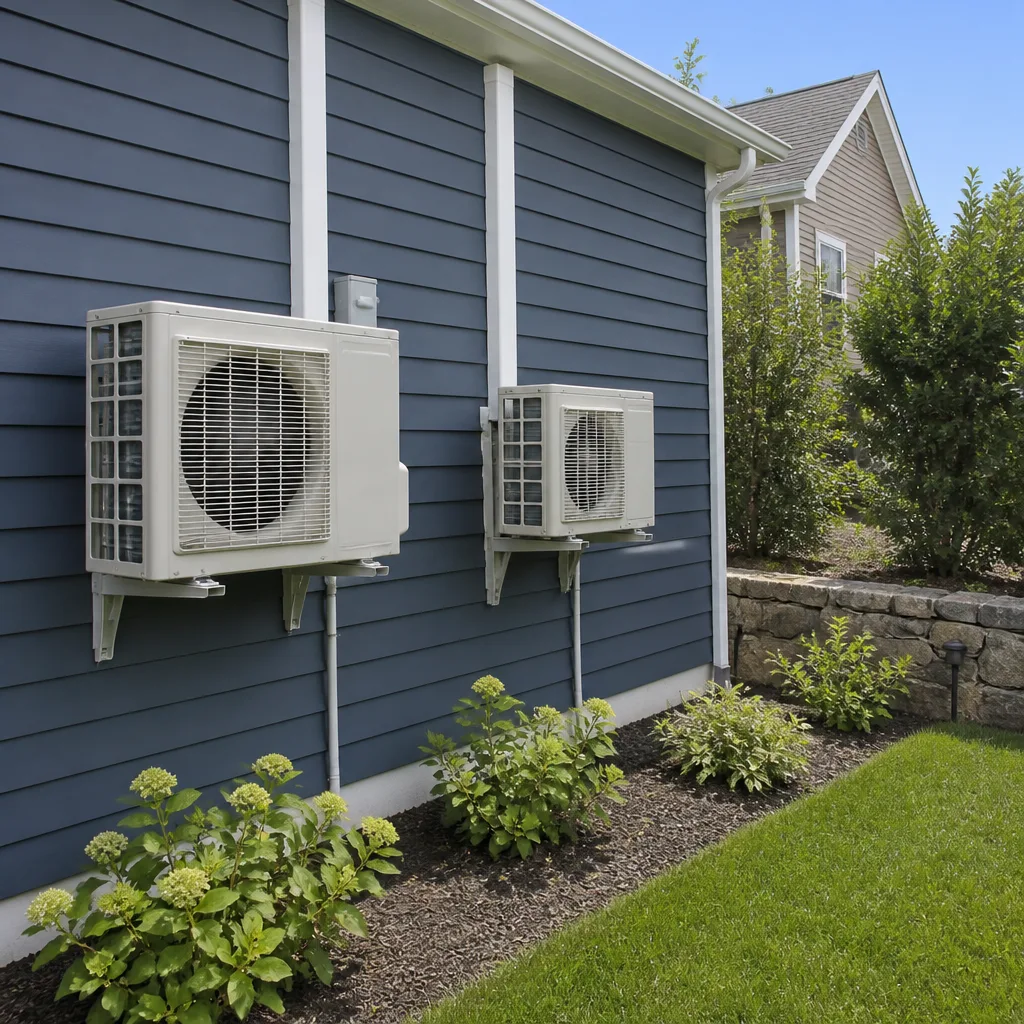 Ductless mini splits
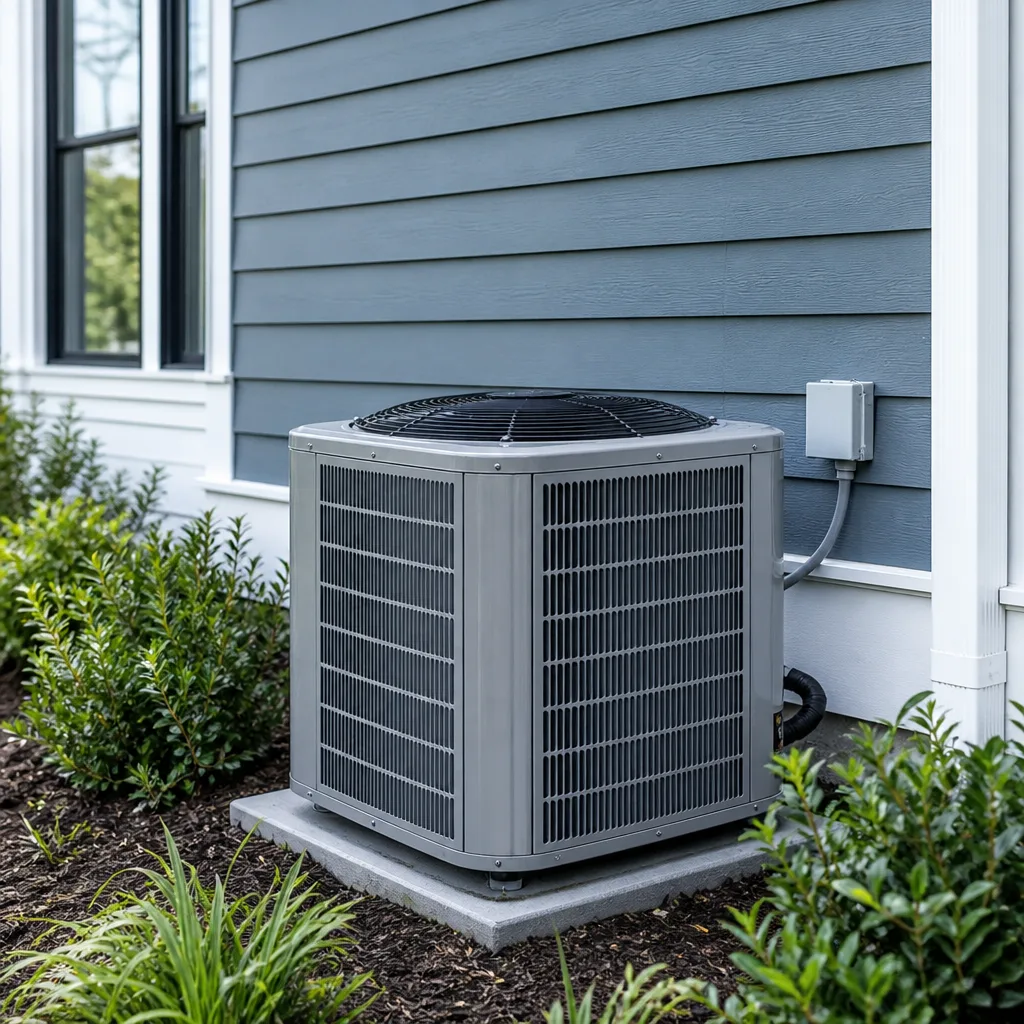 Carrier
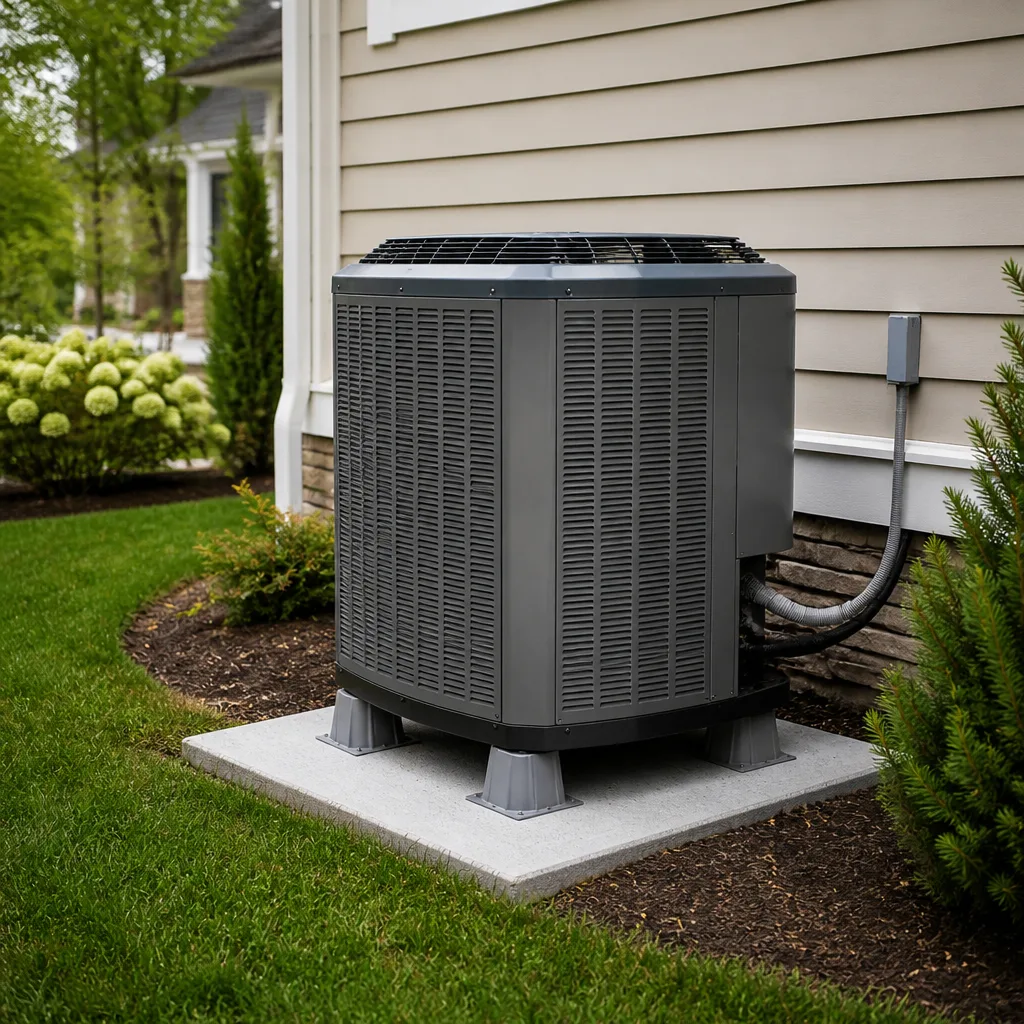 Trane
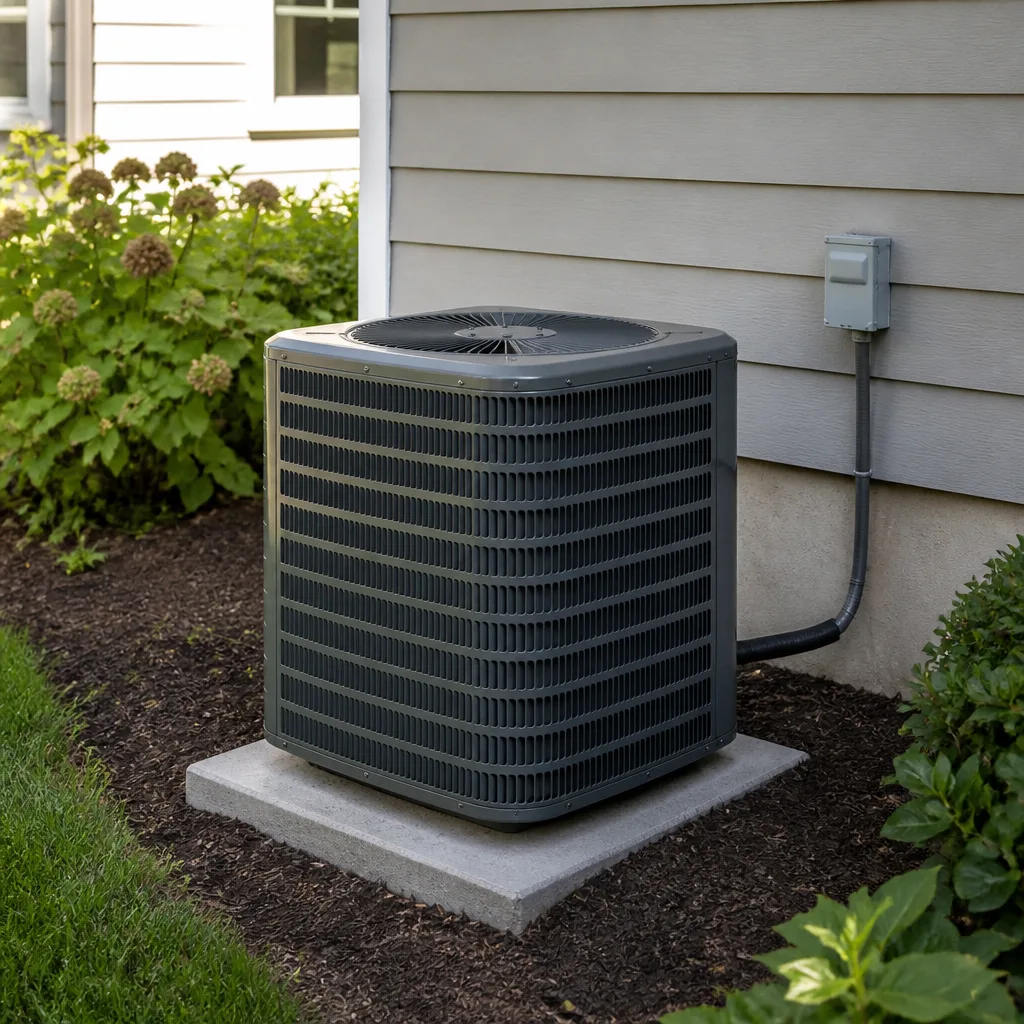 Goodman
Seasonal tune-up and full diagnostic on your Carrier, Trane, or Goodman system - readings shown to you before any repair is proposed
Diagnosis first, numbers second - you approve the repair price before a single part goes in.
Get your free estimateHVAC Emergency Preparedness Guide for Miami Gardens Homes
Most people treat a broken air conditioner as a comfort problem. In Miami Gardens, it’s a health problem. The heat index here climbs past 105°F on plenty of summer afternoons, and a house without cooling can become unsafe within hours, especially for an older parent, a newborn, or anyone with asthma. The counterintuitive part is that the households that weather a failure best aren’t the ones who panic-call fastest. They’re the ones who wrote a short plan before anything broke. This guide gives you that plan: what to check in order, how to keep a home livable for the hours before a technician arrives, how to get storm season ready, and how to tell a real emergency from something that can wait until morning.
Quick Answer
If your AC stops cooling in Miami Gardens, check the thermostat mode, the air filter, the outdoor disconnect, and the breaker before you call. If the system blows warm air but the outdoor unit is silent, treat it as a genuine emergency and call right away. If it’s running and cooling poorly, it can usually be scheduled rather than rushed. Either way, call (844) 560-6509. We answer 24/7. Fast dispatch from 7am to 7pm, Sunday through Friday.
Styles & brands we work with
- AC repair
- Furnace & heating
- Heat pumps
- Ductless mini splits
- Carrier
- Trane
- Goodman
Table of Contents
- The Emergency Response Sequence: What to Check First
- How to Keep a Miami Gardens Home Livable While You Wait
- Is It a Real Emergency? Symptom Criteria That Decide
- What to Have Ready When You Call
- Pre-Hurricane-Season HVAC Audit
- Your System’s Brand Doesn’t Change the Plan
- Routine Tune-Ups That Prevent Emergencies
- Common Mistakes to Avoid
The Emergency Response Sequence: What to Check First
When the house stops cooling, most people start swapping calls before they’ve looked at anything. Five minutes of checking in a fixed order saves you an unnecessary service visit and, when the problem is real, gets the technician to the right part of the system faster. Work down this list in order and stop when you find the answer.
- Confirm the thermostat is actually calling for cooling. It sounds obvious, but a thermostat nudged into “fan only,” “heat,” or a hold setting is one of the most common reasons a system seems dead. Set it to cool, five degrees below room temperature, and listen for the indoor blower to start.
- Check the air filter. A filter clogged with dust and pet hair can strangle airflow until the coil ices over and the house stops cooling. Hold it up to a light. If you can’t see through it, replace it. In Miami Gardens, where the cooling season runs almost all year and windows stay shut against pollen and rain, filters load up faster than most national HVAC advice suggests.
- Look at the outdoor unit. Is it running? Is the fan spinning? Is there frost or ice on the copper lines? Ice on the lines with a running system usually means restricted airflow or low refrigerant, both of which need a technician rather than a homeowner fix.
- Check the breaker. A tripped breaker at the panel is worth one reset. If it trips again immediately, stop resetting it. That’s a fault that needs diagnosis, and repeated resets can damage the compressor.
- Check the outdoor disconnect. The pull-out disconnect box mounted near the condenser sometimes gets knocked loose during yard work or storm prep. Make sure it’s seated.
- Check for a drain-line overflow shutdown. Many Florida systems have a float switch in the condensate drain pan that shuts the unit off when the line clogs. In a humid climate like ours, that happens often. If water is pooled in the pan, the switch is doing its job.
If you’ve done all six and nothing explains it, that’s when the call is warranted. Skip the guesswork. For repair on any of these symptoms, our AC repair service is built around fast diagnosis, clear options, and no pressure.
What Not to Touch
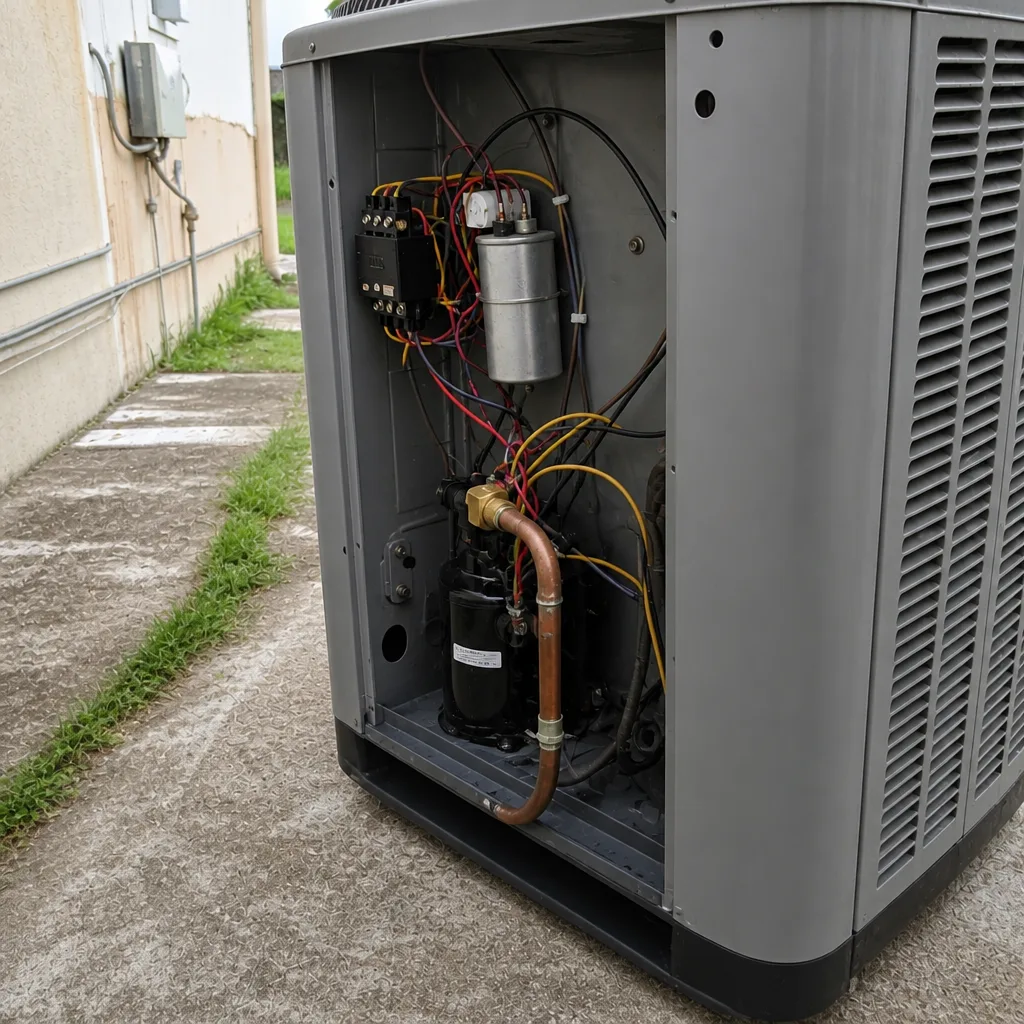
Two parts of an HVAC system are dangerous to a homeowner: the refrigerant circuit and the electrical panel beyond a simple breaker reset. Refrigerant lines run under high pressure and cause frostbite on contact. The capacitor and contactor inside the outdoor unit hold a charge even after power is cut, and they can deliver a serious shock. Leave those to a trained technician. If you’re not comfortable opening the panel at all, that’s fine. Note whether the breaker was tripped and let the technician reset it.
How to Keep a Miami Gardens Home Livable While You Wait
Generic advice like “open the windows” doesn’t work here. Opening windows in a Miami Gardens afternoon lets in humid 95°F air along with every mosquito in the yard, and it raises the indoor heat index rather than lowering it. What actually works is a room-by-room strategy that concentrates the cool air you still have.
- Pick one cool room and live in it. A single interior room on the lowest floor holds cool air longest. Close its door, block the gap under it with a towel, and gather the household there. Interior rooms with no exterior walls and no west-facing windows stay coolest.
- Shut out the sun before it heats the walls. Close blinds and curtains on every east- and west-facing window in the morning and early afternoon. West-facing glass in a Miami Gardens home can push a room several degrees hotter by 4pm.
- Cover windows with reflective material if you have no blinds. A sheet of cardboard or a reflective emergency blanket taped inside the glass cuts radiant heat noticeably. Keep the reflective side facing out.
- Run ceiling and floor fans, but not to cool the air. Fans cool people, not rooms. Run them only in occupied rooms and turn them off in empty ones. A fan motor adds heat to a sealed room over time.
- Close off rooms you aren’t using. Shut doors to bedrooms, laundry rooms, and any west-facing space. Concentrate the cool volume you have.
- Use the coolest hours to vent. If the indoor temperature is higher than the outdoor temperature in the early morning, open windows briefly and use fans to pull in cooler air, then close up before 9am as the sun climbs. That window is short in summer, but it’s real.
- Cool the person, not just the room. Cool showers, wet washcloths on the wrists and back of the neck, and drinking water steadily do more for an overheating body than a fan aimed at an empty room.
- Move vulnerable household members first. An older adult, a baby, or anyone with a heart or lung condition should go to a cooled place early rather than tough it out. That may mean a relative’s house, a library, or a store. Don’t treat a stalled AC as a test of endurance.
For a household with no cooling at all in the middle of a heat wave, these strategies buy hours, not days. That’s why the call is the priority. We answer 24/7, and fast dispatch runs from 7am to 7pm, Sunday through Friday.
Is It a Real Emergency? Symptom Criteria That Decide
A real HVAC emergency is one where waiting causes harm to people or causes further damage to the equipment. Everything else can be booked. Here’s how to sort it.
Call Right Away
- No cooling at all during a heat advisory or high heat index day, especially with a child under five, an adult over 65, or anyone with a respiratory or cardiac condition in the home.
- Burning smell or visible smoke from the air handler or vents. Shut the system off at the thermostat and, if you can do it safely, at the breaker, then call.
- Sparks or a breaker that trips repeatedly. This is an electrical fault. Stop resetting it.
- Water pooling around the indoor unit and spreading toward flooring or drywall. A clogged condensate line or a cracked drain pan can cause real water damage within hours in a humid climate.
- The outdoor unit is dead silent while the indoor blower runs, and the house is blowing warm air. This often points to a failed capacitor or contactor, which is a fast fix caught early and a bigger bill caught late.
- Loud grinding, screeching, or banging from the outdoor unit. A failing compressor or fan motor can seize and take other components with it.
Can Wait Until the Next Dispatch Window
- The system cools, just less than it used to. Poor performance is worth scheduling but isn’t an emergency.
- One room is warmer than the others. Often a balancing or duct issue rather than a failure.
- A strange but stable noise that hasn’t gotten worse, with cooling still working.
- You noticed ice on the line and the system is still running. Shut the system off at the thermostat, let it thaw, and schedule. Running it with ice on the coil is what causes compressor damage, so the safest move is to leave it off until a technician sees it.
Something in the emergency column means you should call now. Call (844) 560-6509. We answer 24/7. A call outside dispatch hours is booked into the next opening, Sunday through Friday, 7am to 7pm.
What to Have Ready When You Call
The faster a technician can picture your system, the faster the diagnosis goes. Before you dial, gather five things. Having them ready shortens the call and often means the technician arrives with the likely part already sourced.
- The system’s brand and model number. The nameplate is on the outdoor condenser and usually on the indoor air handler too. Photograph it with your phone. If you’re the original owner of a Trane, Lennox, Goodman, Rheem, or any other major-brand system, that’s useful, and knowing the model tells us a lot about age and design before we arrive.
- The system’s age. If you don’t remember, the manufacture date is often encoded on the data plate or written on the installation paperwork. Age matters when we weigh repair versus replacement.
- The symptom timeline. When did it stop cooling? Was it gradual or sudden? Did it stop after a storm, a power flicker, or a breaker trip? Did you notice the problem getting worse over days?
- What you’ve already checked. Tell us the filter, the thermostat, the breaker, and the disconnect. Don’t skip this. It saves the technician from repeating the same checks and lets them head straight to the likely cause.
- Any unusual observations. Ice on the lines, water in the pan, a smell, a noise, or a warm-air symptom. Specific words help: is it blowing warm, is the outdoor fan turning, is the indoor blower running at all?
One more thing: tell us about anyone in the home who is vulnerable to heat. That context changes how we prioritize a call. Full-spectrum service means we also handle the heating side, so if the furnace is the problem, say so. For both cooling and furnace work, the fastest path is to be ready before you call.
Pre-Hurricane-Season HVAC Audit
Storm season is when a well-maintained system earns its keep and a neglected one fails. A short audit before June does more than almost anything else to prevent a sweltering, powerless stretch after a storm. This isn’t about preparing for cold. It’s about keeping your cooling equipment alive through outages, surges, and the debris that comes with wind and rain.
The Homeowner Checklist
- Walk the outdoor unit and clear it. Trim vegetation, remove leaves, and check that the pad is level. A condenser that’s sitting in standing water or packed with debris has a harder time starting after an outage.
- Inspect the electrical disconnect. The pull-out box near the unit should be seated, dry, and free of rust or obvious damage. If the box looks corroded or loose, ask a technician to look at it.
- Add surge protection at the equipment. A whole-home surge protector or a dedicated HVAC surge device is cheap compared with a compressor replacement. Power flickers and brownouts during and after storms are a common cause of contactor and control-board failures, and a surge device is the specific fix for that. This is a job for a licensed electrician or an HVAC technician, not a DIY project.
- Secure loose items that could become projectiles. Patio furniture, loose tools, and yard debris become damaging wind-borne objects that can hit the condenser.
- Check the condensate drain line before the rainy season. A blocked drain plus heavy rain means water where you don’t want it. Have the line cleared as part of a tune-up.
- Photograph your equipment and paperwork. Keep copies of the model numbers and any service records with your important documents. After a storm, that information speeds service and claims.
- Know what to turn off before you leave. If you evacuate, shut the system down at the thermostat and note the breaker location so you can restore it safely when you return.
What to Ask Your Technician to Inspect Before Storm Season
- Contactor and capacitor condition (the two most common surge casualties)
- Disconnect box integrity and wiring connections
- Condensate drain line and float switch operation
- Outdoor unit pad level and mounting
- Electrical connections at the air handler and the breaker
- Refrigerant line insulation and condition
Booking this inspection before the season means you’re not the caller in line when the first heat wave hits. If you’re a Miami Gardens homeowner scheduling this on the same call as a service issue, mention both. Our Bellmont AC Repair team treats storm-season checks as part of the routine work, and a booked visit is far better than a panic one.
Your System’s Brand Doesn’t Change the Plan
Homeowners often assume that a breakdown means a call to the company whose name is on the unit. That’s rarely the case. HVAC equipment, whatever the label, is built on similar principles and uses a short list of common failure points. What matters is whether the technician can work on your specific brand without ordering you off to someone else. We work on the system you have, which is why our technicians handle nine major brands: Carrier, Trane, Lennox, Goodman, Rheem, York, Daikin, Bryant, and American Standard. If you’re a first-time homeowner with a Trane compressor you didn’t install, or you’ve inherited a Goodman unit from the previous owner, that matters less than whether your technician has seen that family of equipment before.
That brand-agnostic approach has a real-world benefit during an emergency: parts sourcing. The frustrating delay in a summer breakdown is often “we’ll have to order that and call you back.” Knowing the common failure points across nine manufacturers cuts that back, because the likely part is either already identified or quick to source. It also keeps the recommendation honest. When the technician isn’t tied to a single product line, the repair-versus-replace conversation is about your equipment’s condition and your budget, not about which line makes the company the most money. If the numbers come back in favor of repair, that’s what we’ll tell you.
And because scope matters in a prolonged emergency, service covers both sides of the year: cooling repair, new system installation, and furnace work. You don’t need a second contractor when seasons change. The focus stays on HVAC, so every job is handled by someone working within their core trade.
Routine Tune-Ups That Prevent Emergencies
The unglamorous truth about HVAC emergencies is that most have a warning in the months before. A filter replaced on schedule, a drain line cleared, a capacitor tested while it’s still healthy, and a coil cleaned now and then, and the failure that would have happened in July doesn’t. In a climate where the system runs nearly year-round, that maintenance cadence matters more than it does in places with distinct seasons. Technicians are not paid on what they sell here. A tune-up is a flat price, and you get a written report of what was actually found, not a scolding and a replacement quote.
A sensible cadence for Miami Gardens homes:
- Monthly: check the air filter and replace it when it’s visibly loaded.
- Before the hottest stretch and before storm season: a full system inspection covering refrigerant charge, electrical connections, capacitor condition, drain line, coil cleanliness, and blower operation.
- Whenever you notice a change: poor cooling, new noise, or a system that cycles off early. A small change caught early is a repair. Caught late, it’s a compressor.
If you’re a longtime owner and haven’t had a professional look at the system in a while, an inspection isn’t a sales pitch. It’s how you catch the failing part before it takes the house down with it. Our AC installation work also starts from the same honest read of your equipment, so if a replacement really is the right answer, you’ll see the numbers behind it.
Common Mistakes to Avoid
- Opening the windows during a heat index spike. In Miami Gardens, that draws in humid air that makes the indoor heat index worse and invites pests. Keep the house closed and concentrate one cool room instead.
- Resetting a breaker more than once. A breaker that trips repeatedly is telling you there’s a fault. Repeated resets can damage the compressor. One reset, then call.
- Running a system with ice on the lines. The system is already starved of airflow or refrigerant, and running it with ice on the coil causes compressor damage. Shut it off at the thermostat and schedule a visit.
- Self-diagnosing over the phone with a parts order. Guessing at a capacitor or contactor without testing wastes money and delays the real fix. Have the model number ready and let a technician test the part.
- Skipping the pre-season audit. Doing nothing before June and hoping the system holds up is the single most common way a small capacitor failure becomes a summer emergency.
- Assuming a brand-name unit requires the same brand’s service company. A Trane or Lennox system is worked on by any competent technician who knows the family of equipment. Waiting for a specific brand’s contractor can cost you days in a heat wave.
- Ignoring a small performance drop. A room that’s a little warmer, a system that cycles off early, or a drain line that drips are all warnings. Each one is cheap to fix when it’s small.
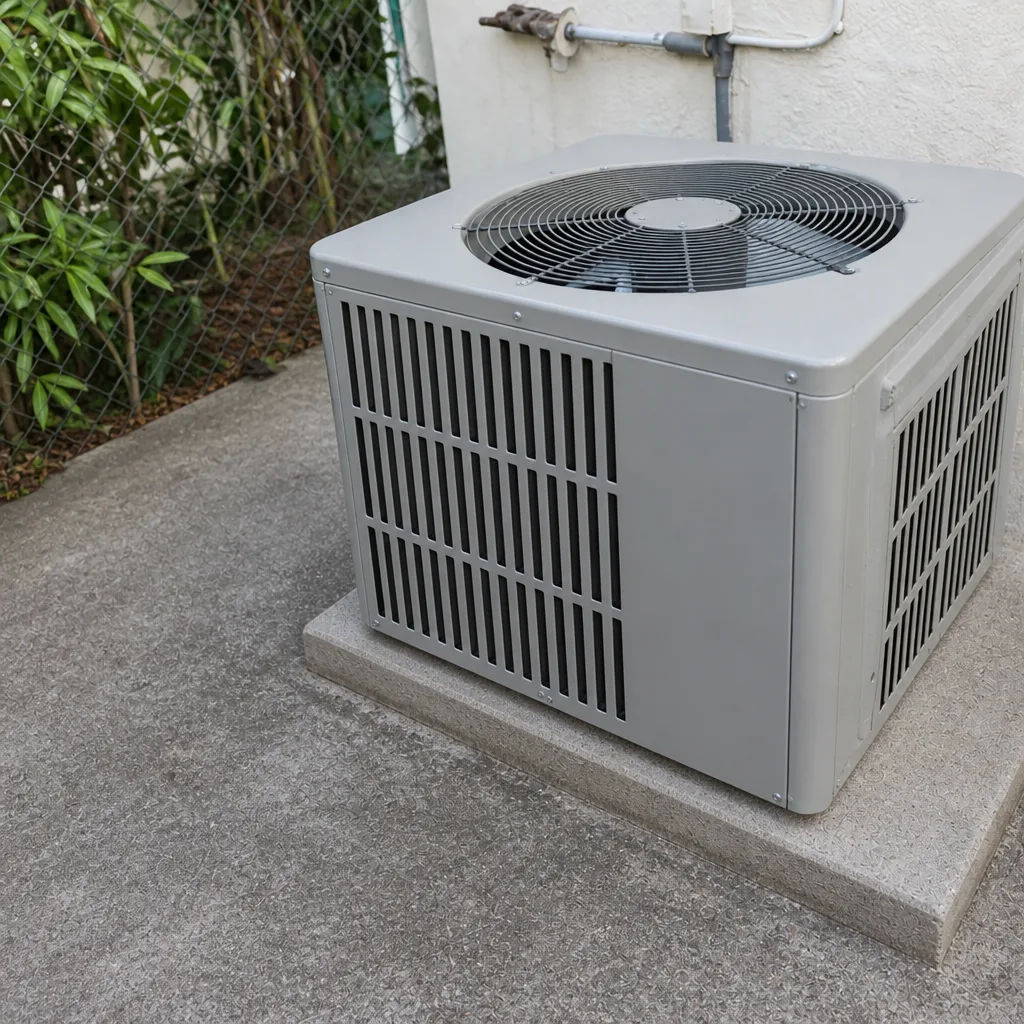
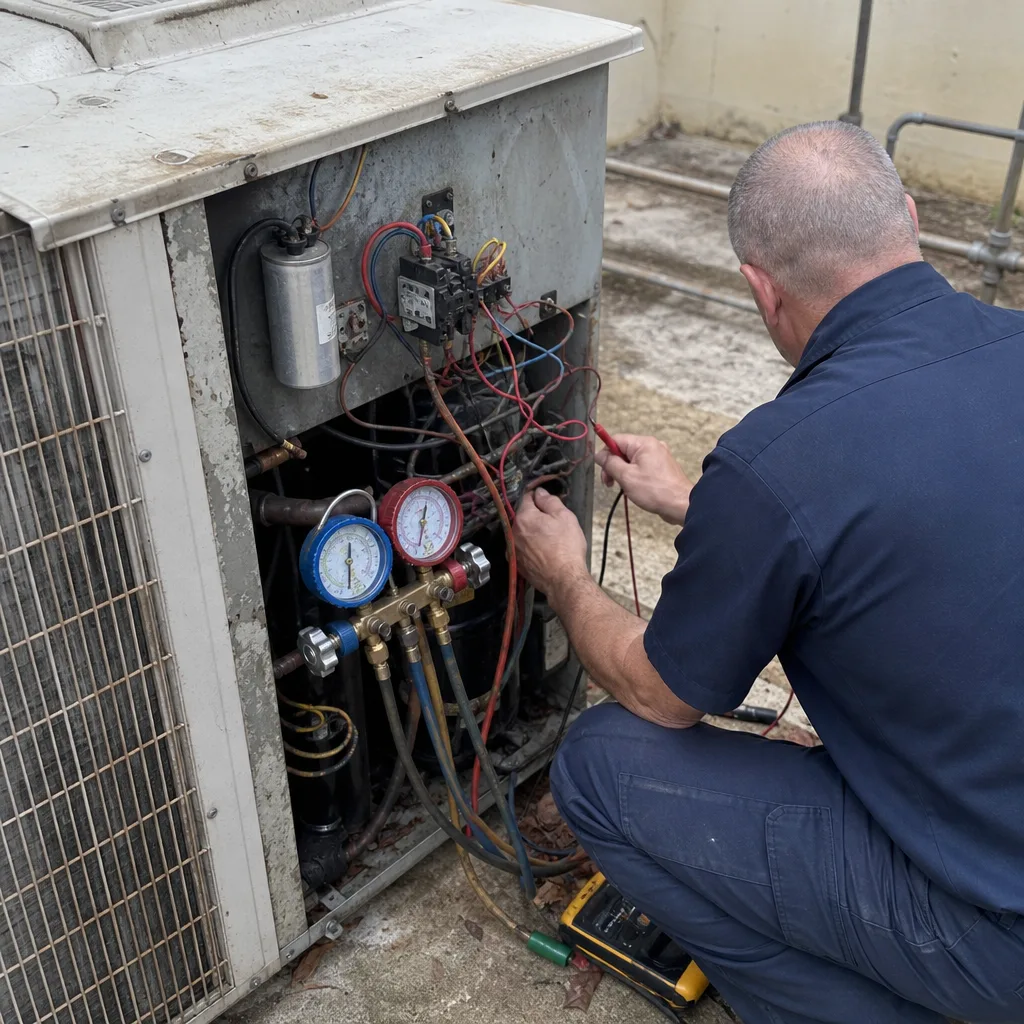
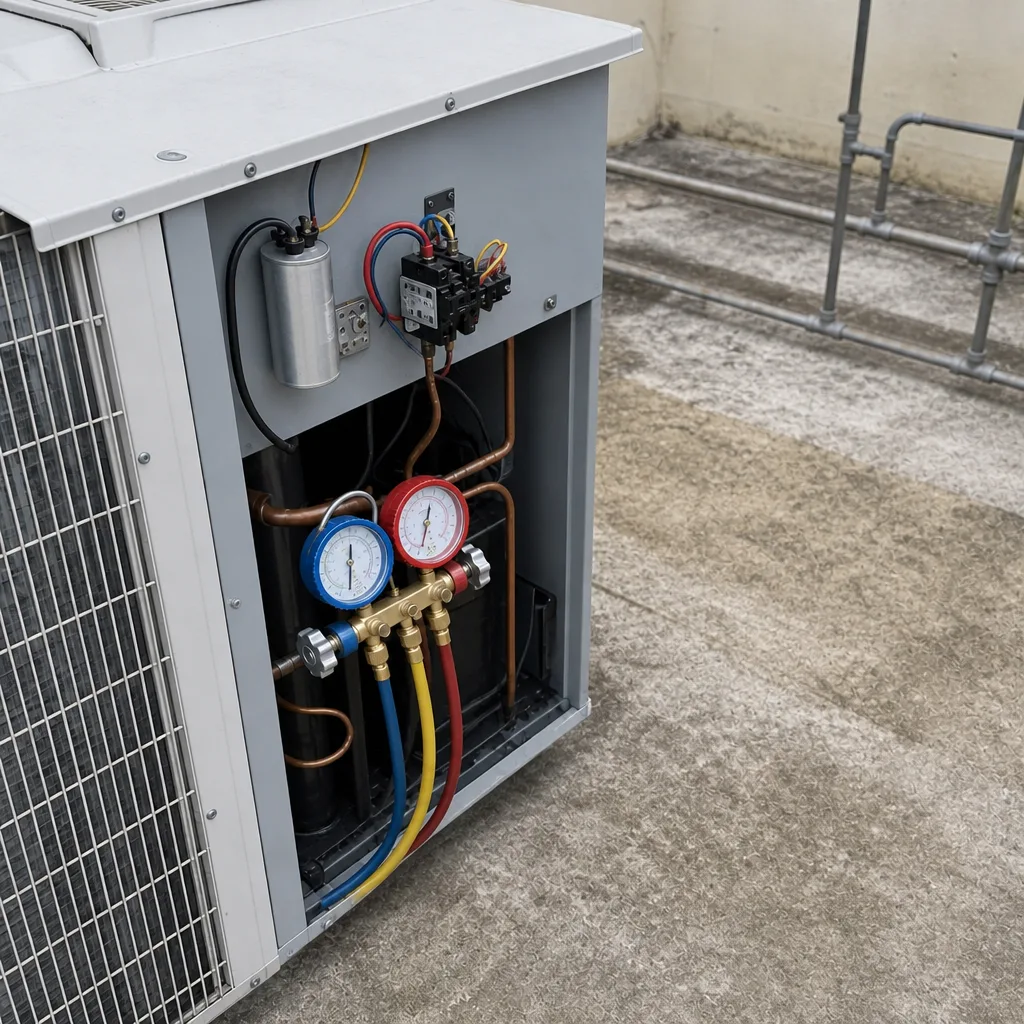
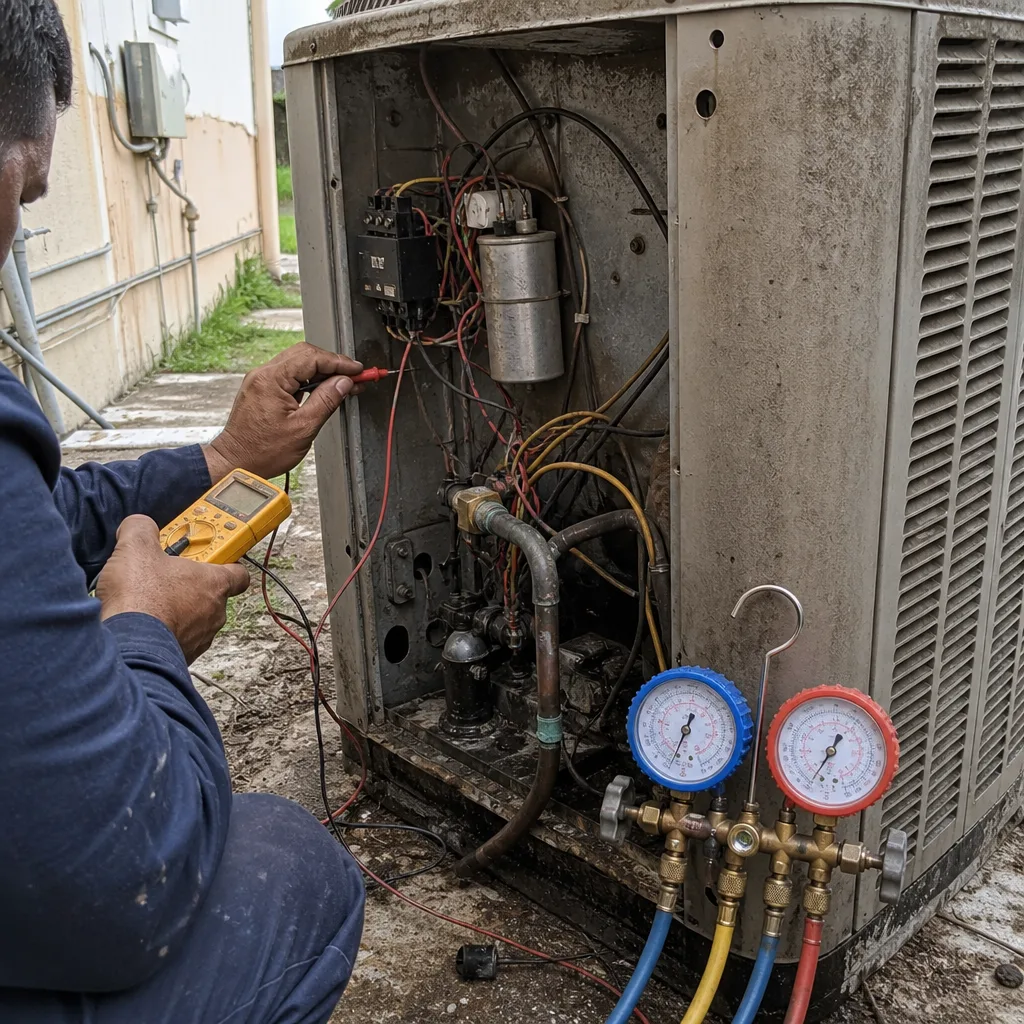
See the difference
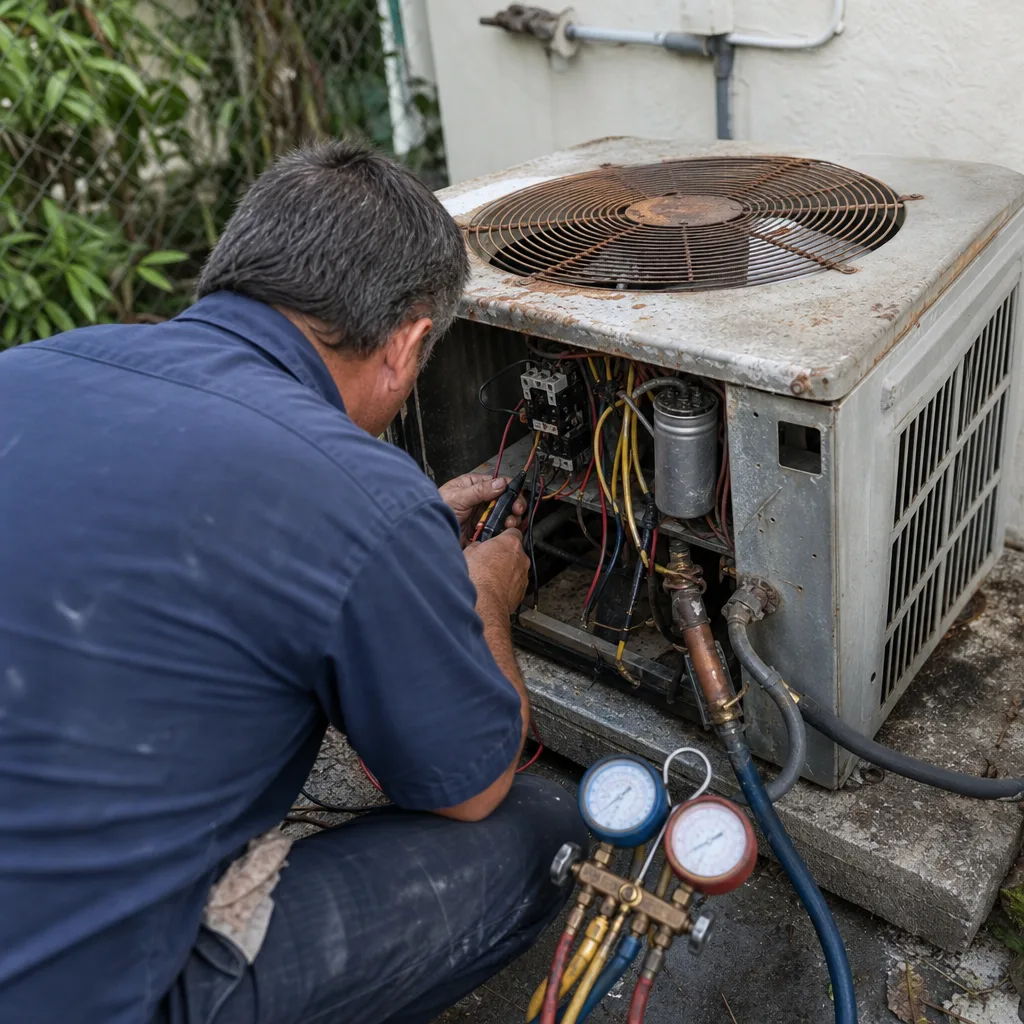 Before
 After
 Before
 After
 Before
 After
When to Call a Professional
Call a professional when the system isn’t cooling and you’ve done the safe checks (thermostat, filter, breaker, disconnect, drain pan) without finding the cause. Call immediately when the symptom is one of the real emergencies: no cooling with vulnerable people in the home on a high heat index day, a burning smell or smoke, sparking or a breaker that trips repeatedly, water spreading toward flooring, an outdoor unit that’s dead silent while the house blows warm, or loud grinding or banging. Those are the cases where a delay of hours turns a repair into a replacement, or a safety issue into a real hazard. Also call when you notice a persistent performance drop that you’ve been shrugging off. A technician can test the parts you can’t safely inspect and give you a straight answer on repair versus replace. If you’re unsure which column your situation is in, call anyway. A quick phone conversation sorts it out.
Bellmont AC Repair offers free estimates in Miami Gardens. Call (844) 560-6509. We answer 24/7. Fast dispatch from 7am to 7pm, Sunday through Friday.
Frequently Asked Questions
Set the thermostat to cool and five degrees below room temperature, then check the air filter, the outdoor unit, the breaker, and the disconnect in that order. If the indoor blower runs but the outdoor unit is silent and the house blows warm air, that’s an emergency. If the system is running and cooling poorly, it can usually be scheduled. Call (844) 560-6509 for an exact quote on the repair. Estimates are free.
It is when the heat index is high and the home has an older adult, a young child, or anyone with a respiratory or heart condition. Heat is a health risk, not just an inconvenience, and those homes should call right away rather than wait. If everyone in the home is healthy and comfortable with the room-by-room cooling strategy, a system that’s cooling poorly can be scheduled instead. Call (844) 560-6509 to talk it through.
Concentrate the household in one interior room on the lowest floor, close the door, and block the gap under it. Cover east- and west-facing windows, run fans only in occupied rooms, and use wet washcloths on the wrists and neck. Move vulnerable household members to a cooled place early. These strategies buy hours in a heat wave, not days. Call (844) 560-6509 to get on the dispatch list.
You can reset it once. If it trips again immediately, stop and call a technician, because repeated resets can damage the compressor. Anything past a single reset belongs with a professional. Call (844) 560-6509 for same-day service on most repair calls.
No. A Trane, Lennox, Goodman, Rheem, or any other major-brand system can be diagnosed by a technician who knows that family of equipment. Our technicians work on nine major brands, and the recommendation follows the equipment’s condition rather than a preferred product line. If your unit is an older model, the model number from the data plate helps us arrive prepared. Call (844) 560-6509 for a free estimate.
Clear debris from around the outdoor unit, confirm the pad is level, inspect the disconnect box, and ask a technician to test the capacitor and contactor while they’re healthy. Add surge protection at the equipment, clear the condensate drain, and keep your model numbers and service records with your important documents. Booking this inspection before the season avoids the line when the first heat wave arrives. Call (844) 560-6509 to schedule.
The Bottom Line
An HVAC emergency in Miami Gardens is a health event before it’s a comfort event. Build the plan before the failure: know the six-step check order, know which symptoms are truly urgent and which can be scheduled, and know how to keep one room cool while you wait. Do the pre-storm audit so a failing capacitor doesn’t become a summer crisis. Keep the filter clean and the drain line clear. Stay calm and get comfortable calling when something is off, because the households that come through a heat wave best are the ones that prepared. When you’re ready, we’re here. Call (844) 560-6509. We answer 24/7. Fast dispatch from 7am to 7pm, Sunday through Friday, for homes across Miami Gardens.
Written by the team at Bellmont AC Repair.