
Last updated November 14, 2026
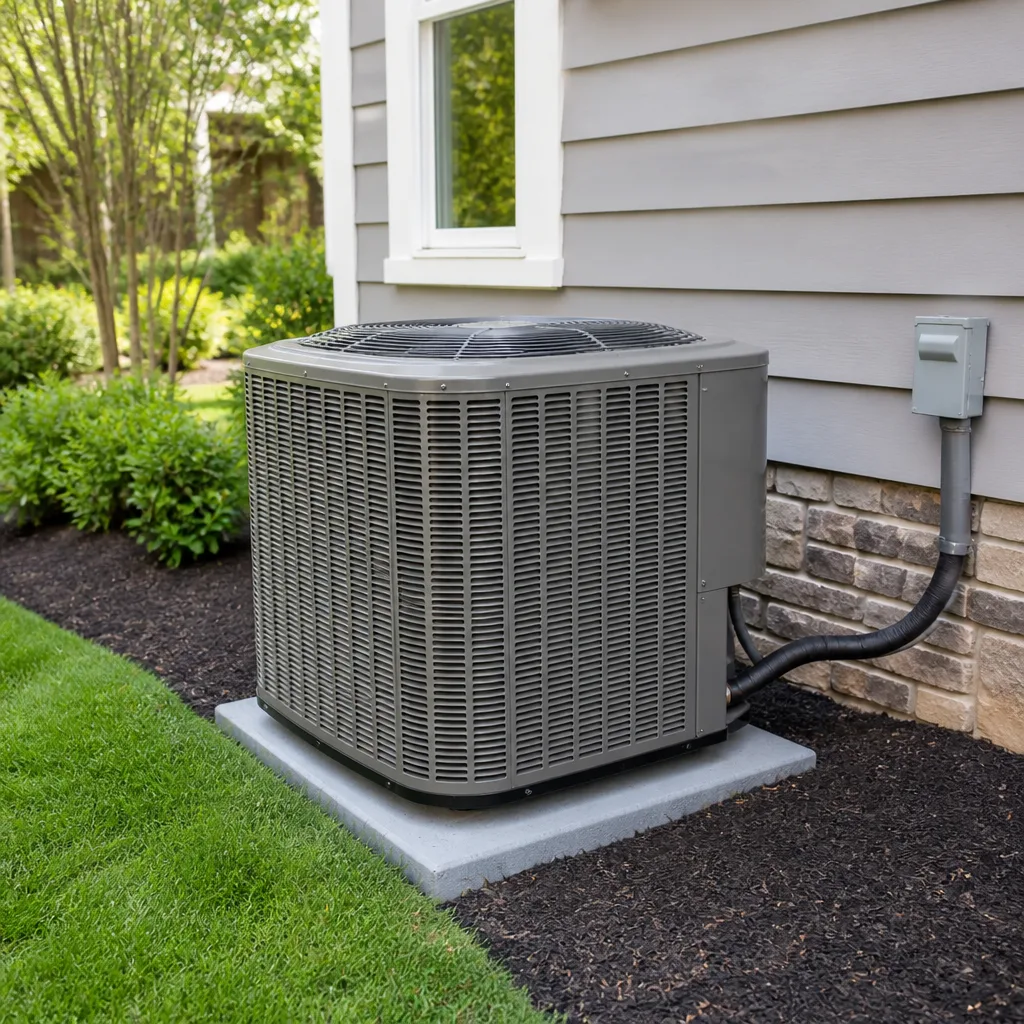 AC repair
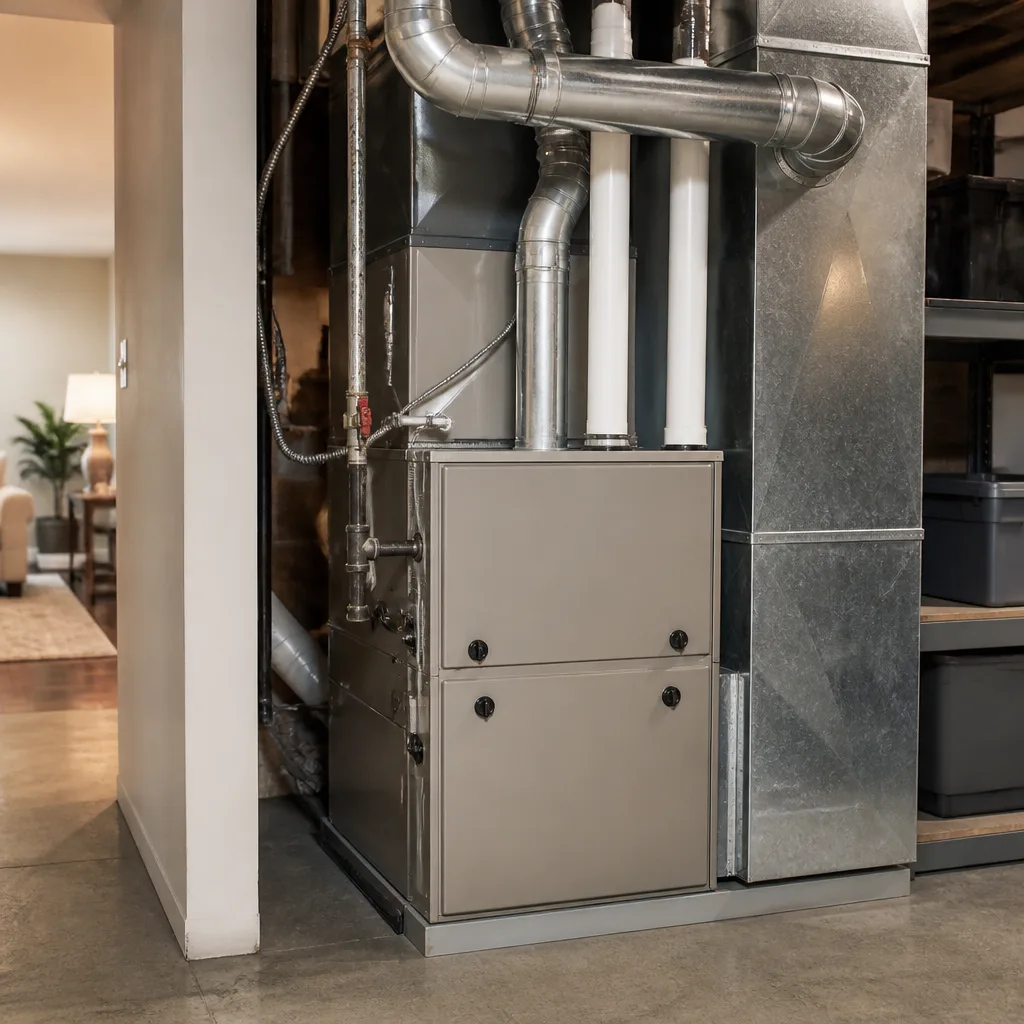 Furnace & heating
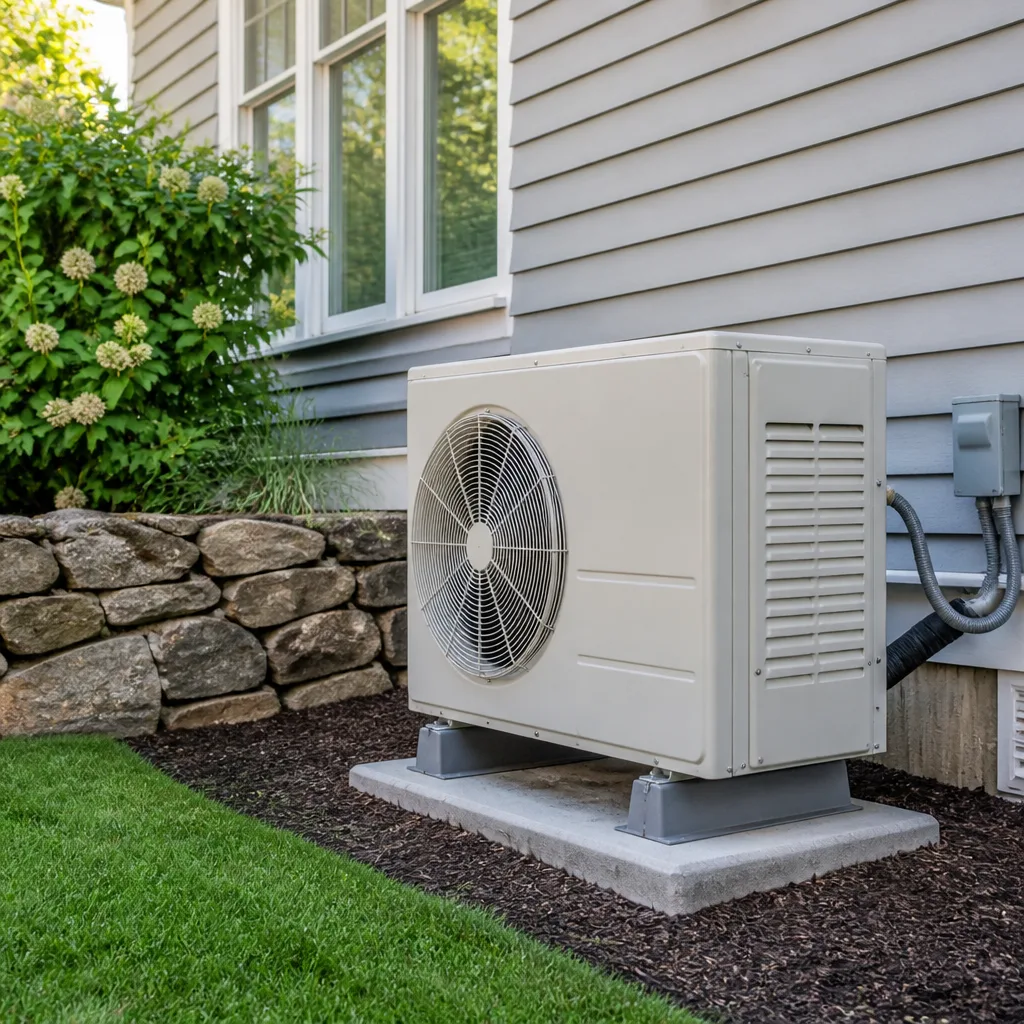 Heat pumps
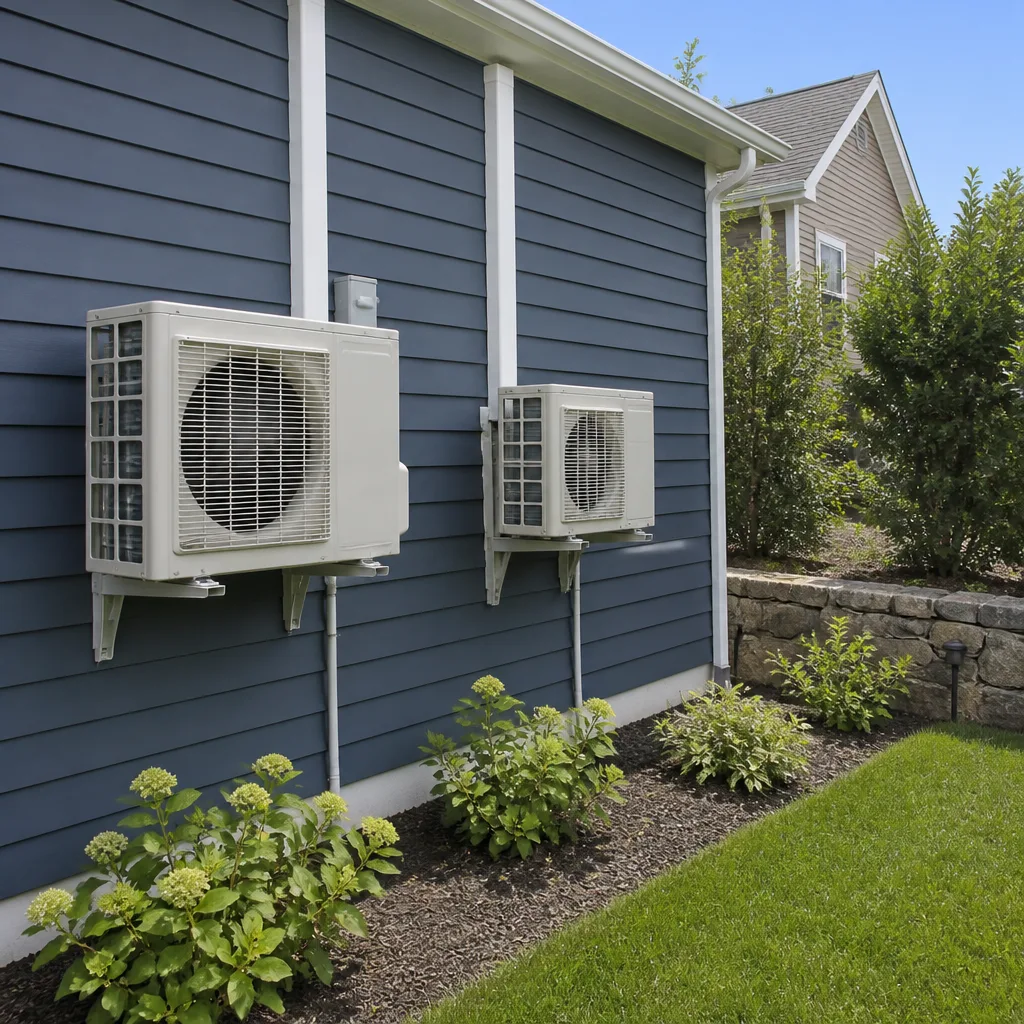 Ductless mini splits
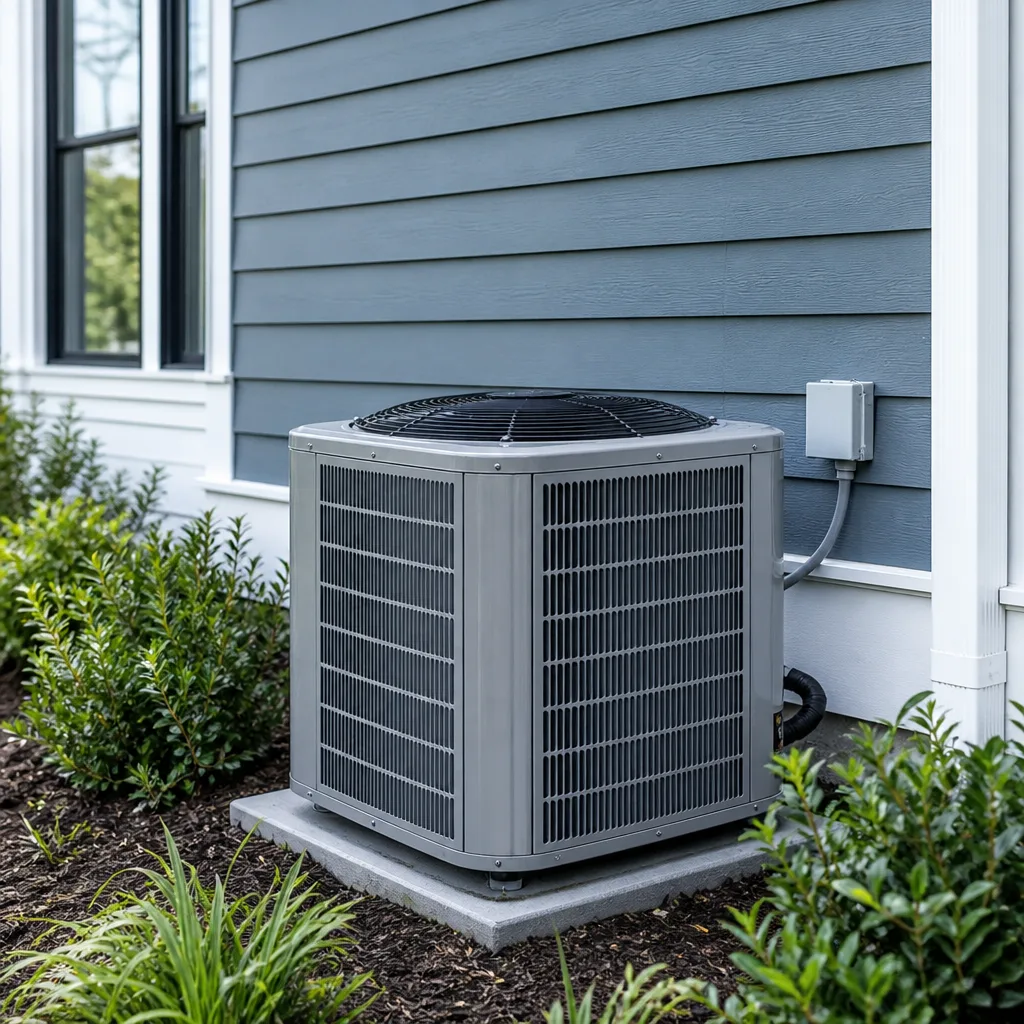 Carrier
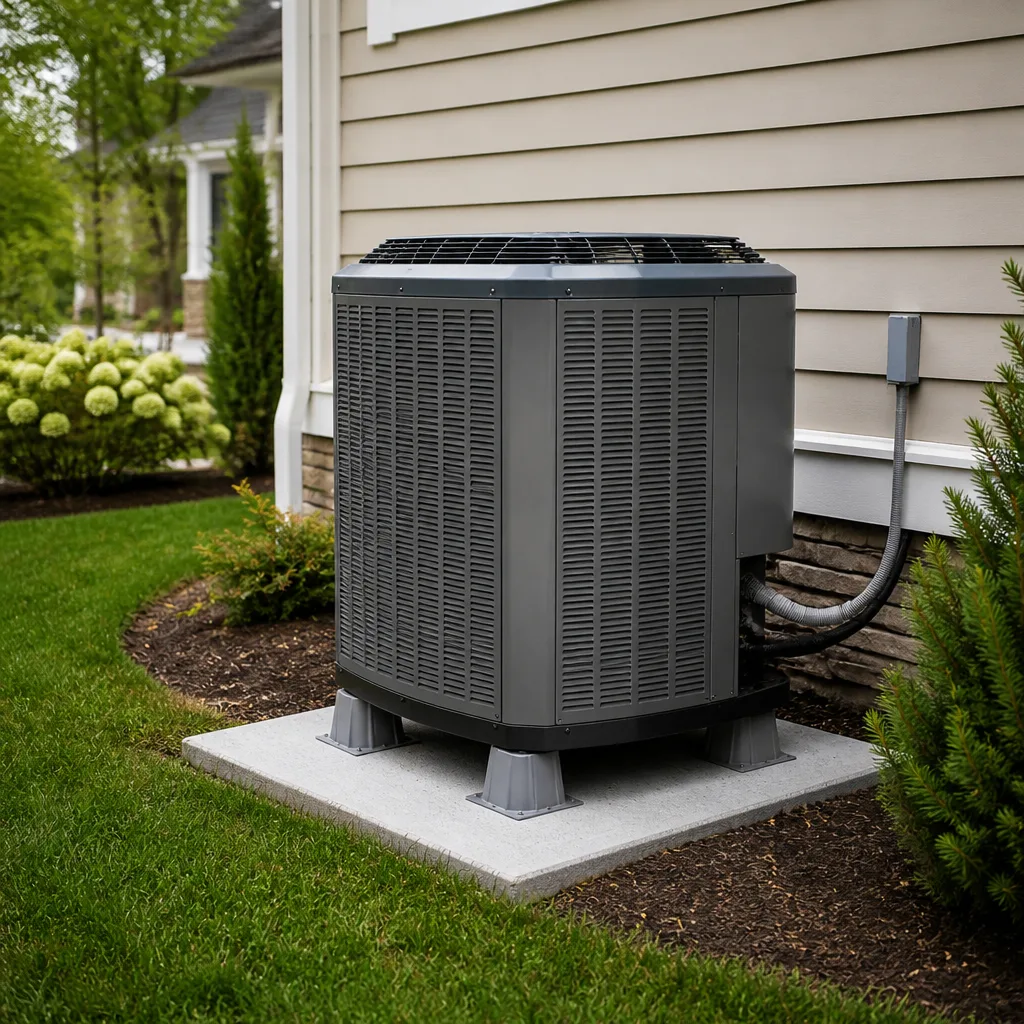 Trane
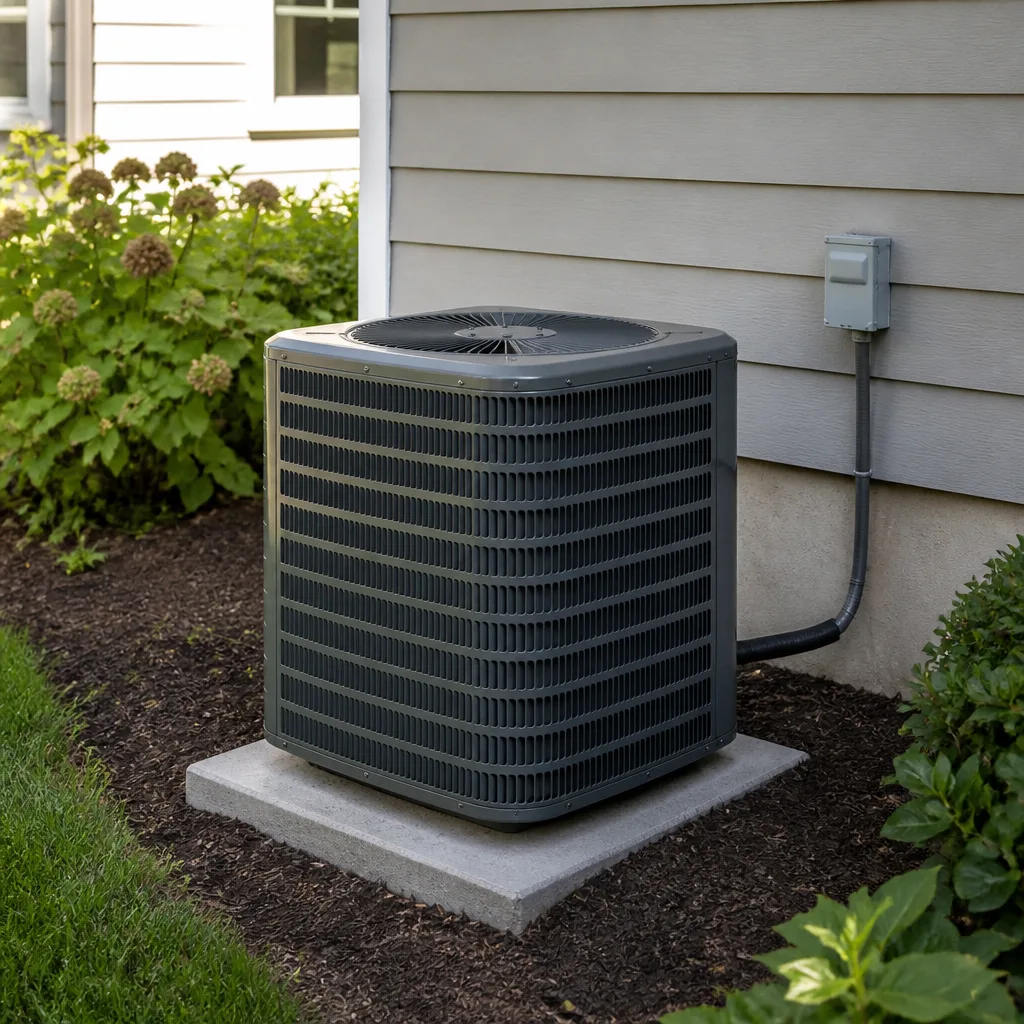 Goodman
Seasonal tune-up and full diagnostic on your Carrier, Trane, or Goodman system - readings shown to you before any repair is proposed
Diagnosis first, numbers second - you approve the repair price before a single part goes in.
Get your free estimateHVAC Cost Breakdown: The Miami Gardens Homeowner’s Reference for 2026
Most HVAC pricing advice you’ll find online is written for a house in Ohio. The national average for a central AC replacement sits around $5,000 to $7,000, and that number gets repeated everywhere until homeowners start to believe it’s the truth. In Miami Gardens in 2026, a basic full install starts closer to $6,500 and climbs from there once permit fees, Miami-Dade inspections and the industry’s refrigerant transition land on the invoice. This guide walks through what jobs actually cost in Miami Gardens, which line items are fixed versus negotiable, and how to run the repair-versus-replace math without guessing.
Styles & brands we work with
- AC repair
- Furnace & heating
- Heat pumps
- Ductless mini splits
- Carrier
- Trane
- Goodman
Quick Answer
HVAC work in Miami Gardens in 2026 runs higher than national averages because of South Florida labor rates, Miami-Dade permit and inspection costs, and hurricane-rated installation standards. Expect roughly $175 to $650 for most repairs, $1,400 to $2,600 for an evaporator or condenser coil replacement, and $6,500 to $14,000 for a full system replacement depending on tonnage, efficiency and brand. The written estimate sets the final price, and we provide it free.
Table of Contents
- Why Miami Gardens HVAC Costs Run Higher Than National Averages
- What Do HVAC Repairs Cost in Miami Gardens?
- Coil Replacement Costs: Evaporator and Condenser
- Full System Replacement Costs by Tonnage
- The R-410A to R-454B Transition and What It Costs You
- Repair or Replace? A Framework That Actually Works
- What a Quote Should Itemize (and What’s Negotiable)
- Common Mistakes to Avoid
- When to Call a Professional
- Frequently Asked Questions
Why Miami Gardens HVAC Costs Run Higher Than National Averages
The gap between a national estimate and a Miami Gardens invoice comes from four cost factors that don’t show up in most online calculators.
- South Florida labor rates. Licensed HVAC technicians in Miami-Dade County command higher hourly rates than the national median, partly because the trade here requires year-round cooling work with no slow season to offset peak months.
- Miami-Dade permit fees. A full system replacement requires a permit, and permit fees scale with the scope and value of the job. A like-for-like swap costs less to permit than a change in tonnage or a duct modification.
- Inspection requirements. Miami-Dade requires inspections on permitted HVAC work, which means the timeline includes a scheduled inspection before the job is closed out. That adds both time and cost compared to markets where a swap is a one-visit affair.
- Hurricane-rated installation standards. Outdoor condenser units in South Florida have to be anchored to withstand high wind, and pad and strap requirements are stricter than what a national average reflects. This isn’t optional; it’s part of a compliant install.
There’s a fifth factor that’s newer and often missing from published pricing: the refrigerant transition. More on that below, because it’s about to change what a new system costs across the board.
What this means in practice: if you’re budgeting from a national average, add 20 to 35 percent before you start calling contractors in Miami Gardens. That’s not a mark-up invented to inflate a quote; it’s the real shape of the local market.
What Do HVAC Repairs Cost in Miami Gardens?
Most AC repair calls in Miami Gardens land between $175 and $650 in 2026, with the final price depending on the part and how deep the diagnosis goes. A capacitor swap sits at the low end; a blower motor replacement sits near the top.
Typical repair ranges
| Repair type | Typical range |
|---|---|
| Capacitor replacement | $175 – $325 |
| Contactor replacement | $175 – $350 |
| Blower motor replacement | $350 – $650 |
| Condensate drain clearing | $175 – $350 |
| Thermostat replacement | $200 – $450 |
| Refrigerant leak diagnosis and repair | $300 – $700 |
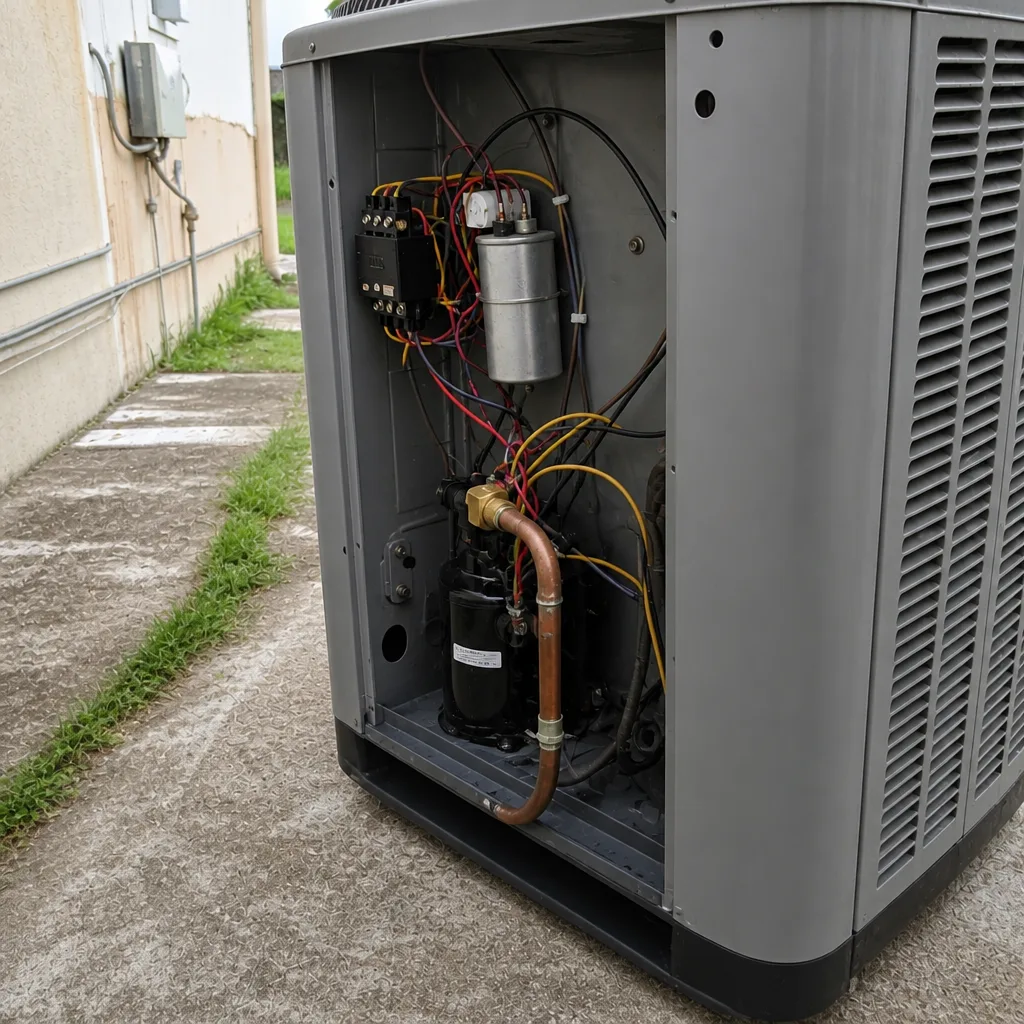
Part availability matters more here than most homeowners expect. South Florida’s humidity accelerates wear on electrical components and condensate systems, so the most common failures tend to concentrate in the same handful of parts. We work with equipment from nine major manufacturers – Carrier, Trane, Lennox, Goodman, Rheem, York, Daikin, Bryant and American Standard – and that breadth means we’re diagnosing the system you already own, not steering you toward one brand. For homeowners with a AC repair need that turns out to be a part-only fix, the quote is usually straightforward and the visit is same-day.
What pushes a repair quote up: a sealed-system issue that requires leak detection, a compressor that has failed, or a system with corrosion that means brackets and fittings come off with the old part. In Miami Gardens, condensate and electrical failures dominate; compressor failures are less common but more expensive when they happen.
Coil Replacement Costs: Evaporator and Condenser
Coil replacements in Miami Gardens run $1,400 to $2,600 in 2026 for a single coil, and $2,400 to $4,200 when both coils are replaced at once. It’s the most common “repair or replace” decision point we’re asked about.
An evaporator coil (the indoor one) is usually the more expensive of the two because accessing it often means opening the air handler and, in some configurations, cutting into the plenum. A condenser coil (the outdoor one) is easier to reach but the outdoor unit here deals with salt in the air on humid days, ambient heat and pollen loads from the tree canopy that surrounds many Miami Gardens neighborhoods, so coil cleanliness and condition vary a lot from one property to the next.
When a coil is being replaced, the question we always ask is whether the refrigerant circuit will support a new coil cleanly. Two situations push the decision:
- Refrigerant type. If your system uses R-410A and your contractor is replacing a leaking coil, the coil has to match the refrigerant in the circuit. If the system uses R-22 (older units), the refrigerant alone can cost more than the coil, and that’s the point where replacement usually makes more financial sense.
- Age of the rest of the system. A coil on a 12-year-old system is fine to replace; a coil on a 20-year-old system is money into equipment that’s on its last leg.
Coil replacements fall under the same permit threshold as other sealed-system work, so confirm with your contractor whether the job will be permitted and inspected. That conversation should happen before the work is scheduled, not after.
Full System Replacement Costs by Tonnage
A full system replacement in Miami Gardens in 2026 runs $6,500 for a basic 2-ton installation and climbs to $14,000 or more for a high-efficiency 5-ton system. Tonnage and efficiency rating drive most of the range; brand and duct work drive the rest.
Typical replacement ranges by system size
| System size | Typical range |
|---|---|
| 2-ton (roughly 1,000 – 1,200 sq ft) | $6,500 – $8,500 |
| 3-ton (roughly 1,400 – 1,800 sq ft) | $8,000 – $10,500 |
| 4-ton (roughly 1,800 – 2,400 sq ft) | $9,500 – $12,500 |
| 5-ton (roughly 2,400 – 3,000 sq ft) | $11,000 – $14,000+ |
Two things to know about these ranges. First, tonnage is not a guess based on square footage alone; it comes from a load calculation that accounts for window area, insulation, roof type and how much afternoon sun the west side of the house takes. Miami Gardens homes vary widely here, from older single-story construction in neighborhoods like Bunche Park to newer builds near the Palmetto Expressway corridor. Second, the ranges assume like-for-like replacement on existing ducts. If your ductwork needs to be repaired, resealed or replaced, that’s a separate line item.
Brand plays a role but less than most people assume. A AC installation using a Trane, Lennox, Goodman or Rheem unit is priced primarily on capacity and efficiency, then on brand premium. The brand-agnostic approach matters here: we install whatever configuration makes sense for the house, not whatever has the best margin on a given month. That’s also what makes the warranty comparison honest, because the equipment warranty terms tie back to the specific model installed.
The R-410A to R-454B Transition and What It Costs You
The industry is in the middle of a mandated transition from R-410A refrigerant to R-454B, and it’s affecting equipment prices in 2025 and 2026 in ways that national cost guides haven’t fully caught up with. If you’re buying a new system in Miami Gardens this year, expect to hear about it from every contractor you call.
What’s actually changing
- New equipment coming out of factories is increasingly built for R-454B, which has a lower global warming potential than R-410A.
- R-454B is mildly flammable under specific conditions, so the equipment that uses it is engineered differently – sensors, controls and installation requirements were updated to match.
- R-410A equipment is still in inventory and still being installed, but supply is tightening and pricing on R-410A systems is moving in ways it didn’t five years ago.
- R-410A refrigerant itself continues to increase in price as production winds down, which changes the cost picture for repairing an R-410A system that has a leak.
What to ask a contractor about refrigerant inventory
- Which refrigerant does the quoted equipment use? R-410A or R-454B, and which one will be in the system when it’s installed.
- Is the equipment in stock or on order? Delivery timelines differ meaningfully between the two.
- What’s the refrigerant warranty coverage? How long, and does it cover the refrigerant itself or just the equipment it’s charged into.
- If we later need a top-off or a leak repair, what’s the cost of the refrigerant alone? Knowing the number up front makes future decisions easier.
None of this is a reason to delay a replacement you actually need. It is a reason to ask specific questions before signing, and to prefer a contractor who can speak accurately about both refrigerants rather than just quoting whatever’s on the invoice.
Repair or Replace? A Framework That Actually Works
The old rule of thumb – “replace if the repair costs more than half of a new system” – is too crude to be useful. In an expensive repair market, following it can push you into premature replacement; in a cheap one, it can leave you throwing money at equipment that should have been swapped years ago.
Here’s the framework we actually run through with homeowners in Miami Gardens:
Step 1: Age against expected service life
A well-maintained central AC in South Florida runs 12 to 18 years. If the system is under 10, repairs generally win. If it’s over 15, replacement becomes the default assumption and the repair has to justify itself.
Step 2: Repair cost against replacement cost, but weighted for age
If the repair is under 20 percent of a replacement cost and the system is under 12 years old, repair. If the repair is over 40 percent of a replacement cost, replacement starts to make sense even at moderate age. Between 20 and 40 percent, age decides it.
Step 3: Efficiency degradation
A 15-year-old system that’s been repaired repeatedly is running at lower efficiency than its nameplate shows. New equipment at the same tonnage will use less energy for the same cooling. In a climate where the AC runs most of the year, the efficiency delta on the replacement is real money per month, not a theoretical number.
Step 4: Refrigerant reality
If the system uses R-22, replacement is nearly always the right call – the refrigerant cost alone can rival the repair. If it uses R-410A and has a leak, the cost of the refrigerant plus the leak repair is the number to weigh, not just the repair labor.
Step 5: Frequency of the current problem
A single failure is a repair. The same failure three times in two years is a pattern, and a pattern on aging equipment is a signal.
When we walk through this with a homeowner, the answer usually clarifies fast. Sometimes it’s a repair, and we say so. Sometimes it’s a replacement, and we lay out the line items so the number is transparent. That honesty comes from being an HVAC specialist – our whole business is this equipment, so a replacement sale we didn’t need to make costs us a customer who trusted us.
What a Quote Should Itemize (and What’s Negotiable)
A replacement quote that comes in as one lump sum is a quote you can’t compare. Ask for it in writing with each of these line items broken out. Here’s what should be separate, and what’s actually negotiable.
What should be itemized on a replacement quote
- Equipment. Model number, tonnage, SEER2 rating and brand. This is the piece that drives most of the price.
- Labor. How many technicians, how many hours, and whether any of it involves duct modification or electrical work.
- Permit. The fee itself, plus who pulls it. The fee is fixed by the jurisdiction; the labor to pull it should not be a separate markup.
- Disposal. Removal and haul-away of the old equipment and refrigerant recovery.
- Hurricane anchoring. Pad, straps or hurricane-rated mounting for the outdoor unit.
- Warranty. Equipment warranty length, labor warranty length, and what voids them.
- Thermostat and controls. Whether the existing thermostat is being reused or replaced.
Which line items are negotiable versus fixed
- Fixed: the permit fee, the refrigerant recovery requirement, and the code-required anchoring. These can’t be removed from a compliant install.
- Negotiable: brand selection at the same efficiency rating, equipment tier (base versus premium efficiency), and thermostat options. Financing terms vary between contractors and are worth comparing.
- Conditional: any duct repairs, electrical panel upgrades or line-set replacements. Get these quoted separately so you can decide whether to do them now or later.
Repair quotes should itemize the same way: part number, labor, and whether the diagnosis visit is rolled into the total. If the quote includes something you don’t recognize, ask. A contractor who can’t explain a line item hasn’t earned it.
Common Mistakes to Avoid
- Budgeting from a national average. The number you found online was probably calculated for a market with lower labor rates, no South Florida permit requirements, and no hurricane anchoring. Add 20 to 35 percent before calling anyone in Miami Gardens.
- Skipping the permit to save money. An unpermitted install can complicate a future sale, void equipment warranties and fail an inspection on resale. The permit fee is small compared to the downstream risk.
- Accepting a single quote with no line-item breakdown. A lump-sum number can’t be compared or verified. Insist on itemization; any contractor who resists is telling you something about how they work.
- Choosing on tonnage alone. A bigger system is not a colder house. Over-sized equipment short-cycles, runs less efficiently and dehumidifies poorly, which matters more in a Miami Gardens summer than raw cooling capacity.
- Ignoring the refrigerant question. In 2026, a quote for R-410A equipment and a quote for R-454B equipment are not the same purchase. Understand which one you’re buying and what it means for future service.
- Using the “half the cost” rule as gospel. The rule of thumb is not calibrated for this market or this climate. Age, efficiency loss and refrigerant cost matter more than a fixed percentage.
- Replacing the whole system when a coil would do. Coil replacements are a legitimate option on systems younger than 12 to 14 years. Don’t let a quote jump straight to full replacement without a coil-only option on the table.
When to Call a Professional
If your system is blowing warm air in the middle of a Miami Gardens afternoon, the diagnostic call is the right move – it’s faster than guessing and cheaper than letting a small failure turn into a compressor problem. If the outdoor unit is tripping the breaker repeatedly, if you hear grinding or banging, or if the system leaks water indoors, those all point to problems that need a technician on site rather than a thermostat adjustment.
Airflow problems, ice on the indoor coil and repeated short cycling are also signs to call rather than watch. The outdoor system in South Florida runs long and hard for most of the year, so small inefficiencies compound fast. The 40-ampere range and refrigerant handling on these systems are not safe DIY territory; a trained technician with the right gauges and meters is both faster and safer. Our technicians have up to 11 years of experience across nine major equipment brands, so whether the system in your house is a Goodman, a Lennox or an older Carrier, we can diagnose it accurately.
Bellmont AC Repair offers free estimates in Miami Gardens. Call (844) 560-6509. We answer 24/7. Fast dispatch from 7am to 7pm, Sunday through Friday.
Frequently Asked Questions
A full AC replacement in Miami Gardens in 2026 typically runs $6,500 to $14,000 depending on tonnage, efficiency and any duct work needed. The basic 2-ton install starts around $6,500; a 5-ton high-efficiency system can exceed $14,000. Call (844) 560-6509 for a free written estimate – the written price is the final price.
Miami Gardens and the wider Miami-Dade market carry higher labor rates, permit fees, inspection requirements and hurricane-rated installation standards than most of the country. Add those together and a job that would be $6,000 somewhere else comes closer to $7,500 to $8,000 here. Call (844) 560-6509 and we’ll walk through the actual numbers for your home before you commit.
Repair is usually cheaper in the short term if the system is under 10 years old and the problem is a single part failure; replacement is usually cheaper over time if the system is over 15 years old or has had repeated repairs. The break-even point varies with equipment age, efficiency loss and refrigerant cost, not a fixed percentage. Call (844) 560-6509 – we’ll give you both numbers and let you choose.
Yes. A full HVAC system replacement in Miami-Dade County requires a permit and an inspection. The permit fee scales with the scope of the job, and confirming who pulls the permit is one of the questions worth asking before signing a quote. Call (844) 560-6509 if you’d like us to explain how the permit affects your timeline.
No. R-454B systems are built and certified for residential use and are what the industry is moving toward. The practical things to confirm are which refrigerant your quoted equipment uses, how it’s warranted, and what future service looks like. Call (844) 560-6509 – we can quote both refrigerants so you see the comparison.
Almost certainly. We’re trained and equipped on nine leading manufacturers, including Carrier, Trane, Lennox, Goodman, Rheem, York, Daikin, Bryant and American Standard. Whether you need Bellmont AC Repair for a diagnostic or a same-day fix, we’re diagnosing the system you have rather than steering you toward a brand we prefer. Call (844) 560-6509.
The Bottom Line
National HVAC pricing averages don’t fit the Miami Gardens market. Local labor, Miami-Dade permits and inspections, hurricane-rated install standards and the R-454B refrigerant transition all push real costs 20 to 35 percent above what you’ll find in a generic calculator. Budget $175 to $650 for repairs, $1,400 to $2,600 for a single coil, and $6,500 to $14,000 for a full replacement depending on size and efficiency. Demand an itemized written quote. Understand which refrigerant you’re buying. And when the repair-versus-replace question lands, use age, efficiency and refrigerant cost – not a rule of thumb someone posted on a national site.
If your system is failing or you’re weighing options, call (844) 560-6509 for a free estimate. We answer 24/7. Fast dispatch from 7am to 7pm, Sunday through Friday. If you’re in Miami Gardens and need a straight answer on HVAC costs without a sales pitch, we’re the call to make.
Written by the team at Bellmont AC Repair.
See the difference
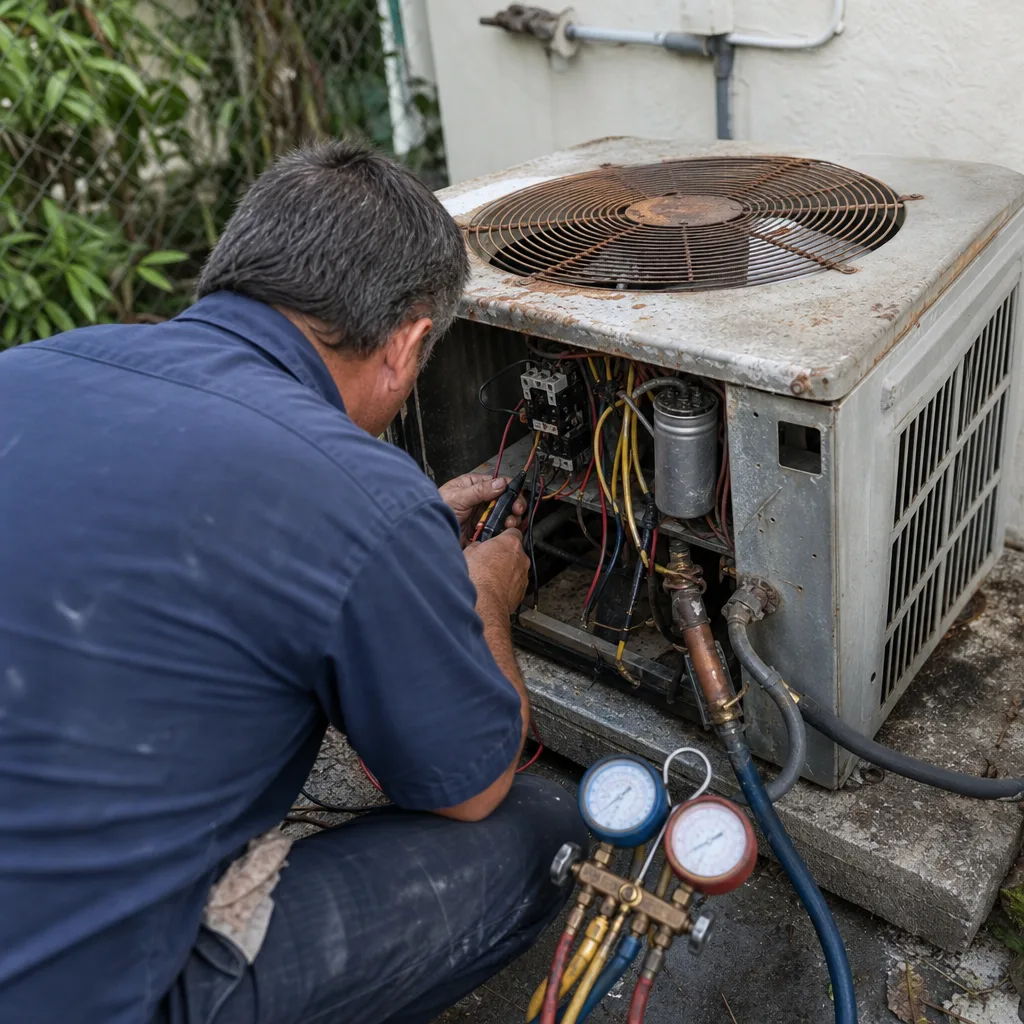 Before
 After
 Before
 After
 Before
 After